Why Cambodia For Western Expats Is The Question Worth Asking In 2026
Cambodia is, in 2026, one of the more interesting questions in the long-term Western foreigner conversation about where to go in Southeast Asia. This country has been building slowly. Its visa system for retirees and non-retirees remains accessible. The cost of living is still reminiscent of the Southeast Asia of old, and the Cambodia expat lifestyle has retained something that the more visited destinations have progressively lost.
I want to write this piece because I have a personal history with the question. Back in 2010 I nearly moved to Phnom Penh. I did not. The reasons I did not, and the reasons I keep coming back to the question of whether I should have, and whether Cambodia is a good option for Western expats in 2026?
What I Saw In Cambodia In 2010 And Why It Mattered
In 2010 I spent a serious stretch of time in Phnom Penh. The country was a different proposition then. Its riverfront still felt recognisably French colonial. Cost of living was a fraction of what it had been in Bangkok. The expat community was small and recognisably Western, dominated by NGO workers, journalists, and a smaller wave of long-term Westerners who had drifted in from Thailand or Vietnam. A dollar economy gave the country a stability that the kip and the kyat did not, and that even the baht in Thailand had started to lose some of its predictability around.
By that point I had Thai roots and a small side operation running portable-electronics arbitrage between Bangkok and Phnom Penh that I have written about elsewhere. My reasons for not moving were partly logistical, partly emotional, and partly the gravity of the life I had already built in Thailand. Why I keep coming back to the question is different. These are the reasons that, when I look at Cambodia in 2026, I see a country that has done some things better than Thailand has done them and a country that the foreigner now arriving in Southeast Asia should genuinely consider rather than dismiss.
So the question I want to answer in this piece is the direct one. Is Cambodia good for expats in 2026, or is it not? After thinking about it carefully and looking at what the country has become, my honest answer is yes. With caveats. The caveats matter. But the answer is yes.
Let me lay out the case.
Living In Cambodia As A Foreigner: The Visa Reality
A first reason Cambodia is good for expats in 2026 is the visa framework. Cambodia operates one of the most accessible long-stay visa arrangements in the region. ER (retirement) visas are available to foreigners over the age of 55 with proof of pension or savings, renewable annually, with no Thai-style 800,000 baht bank deposit requirement and no Malaysian MM2H fixed-deposit threshold. A standard mechanism for most long-stay foreigners is the EB (business) visa, sponsored through a Cambodian agent or company, renewable indefinitely on similar straightforward terms.
Compare this to what Thailand has become. Bangkok has tightened visa runs to two per calendar year. Retirement extension financial requirements are scrutinised more carefully. TM30 enforcement is now standard. The Digital Arrival Card tracks cumulative behaviour. Sixty-day visa-free entry has been cancelled. Cambodia has not done any of this. Its visa landscape in 2026 is roughly where Thailand was a decade ago, in terms of how the foreigner experiences it. Discretion is lighter. Renewal is simpler. An annual cycle does not produce the same accumulated anxiety.
Why The Visa Difference Matters For The Long-Term Resident
This matters in practical terms. As I have written in my other pieces, structural visa pressure in Thailand has become one of the dominant features of the long-term Western foreigner’s daily life. In Cambodia it has not. A foreigner in Phnom Penh, Siem Reap, Battambang, Kampot, or Sihanoukville (with the substantial caveats about Sihanoukville I am about to come to) can build a life on visa terms that are closer to the older Southeast Asia than to the newer Southeast Asia. An accessible visa regime is, for many retirees, the single biggest practical reason to look at Cambodia in 2026.
Retiring In Cambodia: The Cost Of Living That Still Works
A second reason is the cost of living. Cambodia has not gone through the same compression that I documented in the Philippines piece, where the foreigner-tier pricing has hardened to the point that the cheap-destination pitch no longer matches the lived reality in Manila or Cebu. Phnom Penh is more expensive than it was when I nearly moved in 2010, but the increase has been gradual and the city remains affordable by the standards of the major Southeast Asian capitals.
A single Western retiree can live comfortably in Phnom Penh in 2026 on somewhere between 1,200 and 1,800 US dollars per month all in. This includes a one-bedroom apartment in a decent district at 400 to 700 dollars, food and entertainment at 400 to 600 dollars, utilities and transport at 100 to 200 dollars, and the standard miscellaneous costs at 100 to 200 dollars. Siem Reap is meaningfully cheaper, with comfortable single-expat budgets running 900 to 1,400 dollars. Kampot, Battambang, and the smaller provincial towns are cheaper still.
The Stable Dollar Economy That Simplifies Daily Life
A dollar economy makes the budgeting predictable in a way that the peso, the baht, and the kip do not. The Cambodian riel is used for small transactions but the dollar is the operating currency for any meaningful expat spending. This removes one entire layer of exchange-rate friction from the long-term resident’s life. Pensions or savings come in as dollars. Rent is paid in dollars. Grocery shopping is paid in dollars. Medical bills are paid in dollars. Dollar stability is one of the underappreciated structural advantages of retiring in Cambodia.
The Cambodia Expat Lifestyle Retains Texture The Tourist Destinations Have Lost
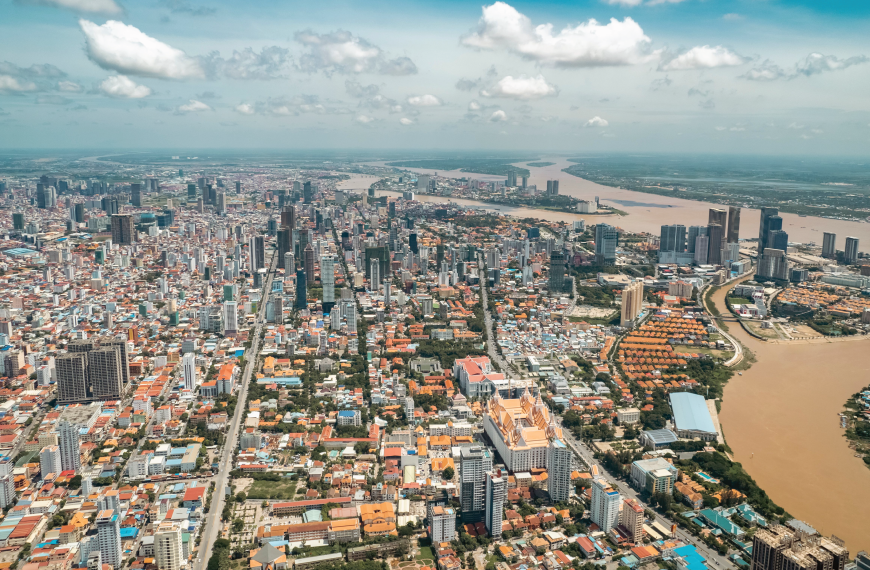
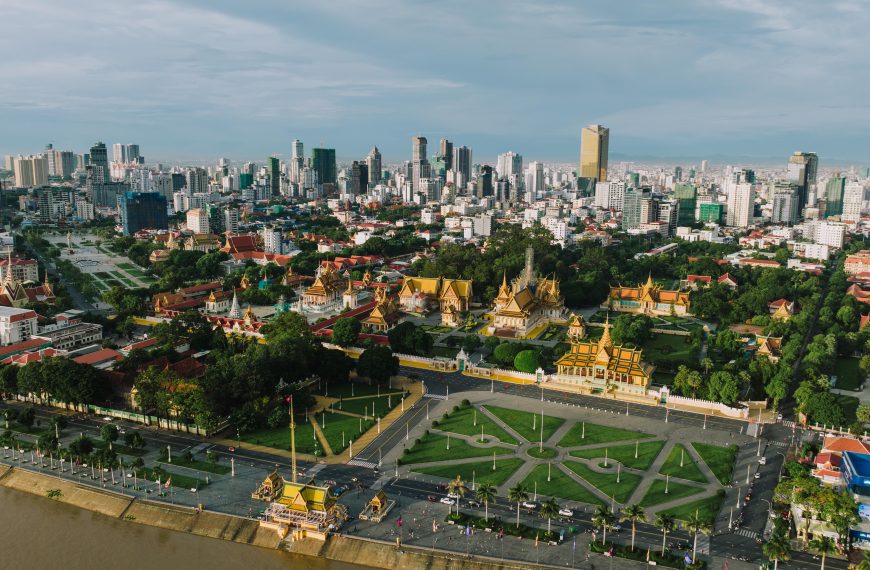
A third reason is the texture of daily life. The Cambodia expat lifestyle in Phnom Penh in 2026 has retained something that the more visited Southeast Asian capitals have progressively lost. Its riverfront still operates in the rhythm I remember from 2010, with bars and restaurants serving a mix of Khmer locals, NGO workers, journalists, long-term Westerners, and the smaller wave of foreign tourists who are not chasing the Bali or Phuket experience.
French colonial architecture in the central districts is still substantially intact. Wats still function as religious sites rather than as Instagram backdrops. Local market culture is still recognisably Cambodian rather than commodified for foreign consumption. This is texture you can feel walking around the city in the early evening.
What Has Changed Since 2010 And What Has Held
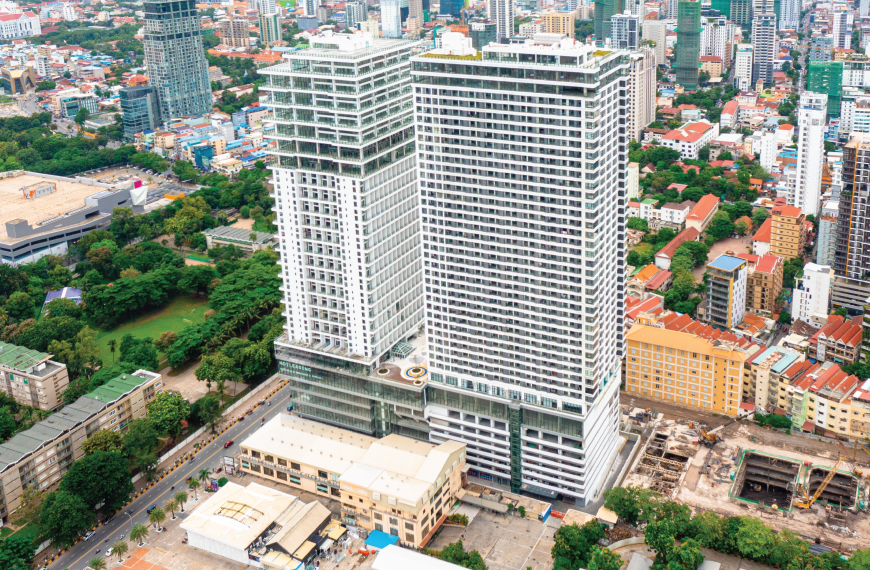
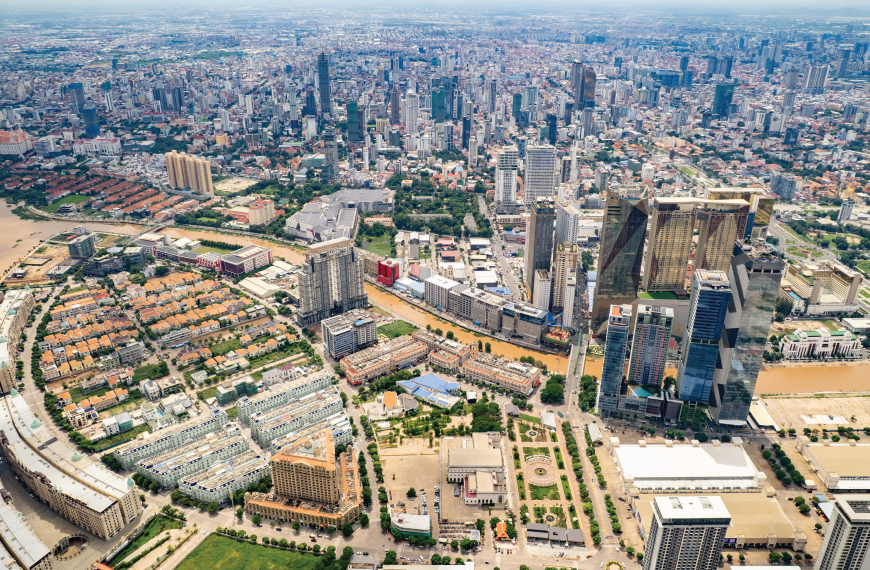
A texture is one of the things I genuinely valued when I was there in 2010 and one of the things that has, on the most recent honest assessment, partially survived. Not entirely. Chinese influence has changed parts of the country (which I will come to). A post-2015 boom in foreign investment has gentrified parts of Phnom Penh in ways that the local population has felt acutely. Bingin-style mass demolitions have not happened in Cambodia in the same way they did in Bali, but riverfront condominium developments have changed the texture of the central districts.
Cambodia is not the country it was when I was there in 2010. Few countries are. But it has held its texture better than Thailand or Bali or the Philippine major cities. For the long-term Western foreigner who values texture, who wants to live in a Southeast Asian country that has not yet been packaged for foreign consumption to the degree the more visited destinations have, Cambodia in 2026 still offers something real.
The Cultural And Historical Anchor That Cambodia Provides
A fourth reason is the cultural and historical anchor. Cambodia carries one of the deepest civilisational histories in Southeast Asia. The Khmer Empire built Angkor, one of the great achievements of premodern Asian architecture. Its temples at Siem Reap remain one of the genuinely significant UNESCO World Heritage sites in the world, and the city itself has, despite the substantial tourism around the temples, kept a quieter character than the equivalent Thai destinations.
Khmer culture is intact. Buddhism is serious and continuous. Cambodia’s language is being learned by a meaningful proportion of the long-term Western foreigner community in a way that, frankly, Thai is no longer being learned by the equivalent foreigner community in Thailand. This country has had a brutally difficult modern history, from the French colonial period to the war, from the Khmer Rouge to the reconstruction, and a long-term Western foreigner who lives there over the medium term will engage with that history in ways that produce a deeper relationship with the country than the equivalent relationship in the more polished destinations.
For the long-term Western foreigner who is looking for a country with substance rather than a country with surface, Cambodia offers substance. The substance is heavy. Its history is difficult. The texture is real. A long-term resident is engaging with something that the more cheerful destinations do not provide.
The Rising Chinese Influence That Has To Be Discussed Honestly
A fifth point is the major caveat, and the part of this argument that has to be discussed honestly. Chinese influence in Cambodia has become substantial over the past decade, and a Western foreigner thinking about moving there in 2026 needs to understand the shape of it before making the decision.
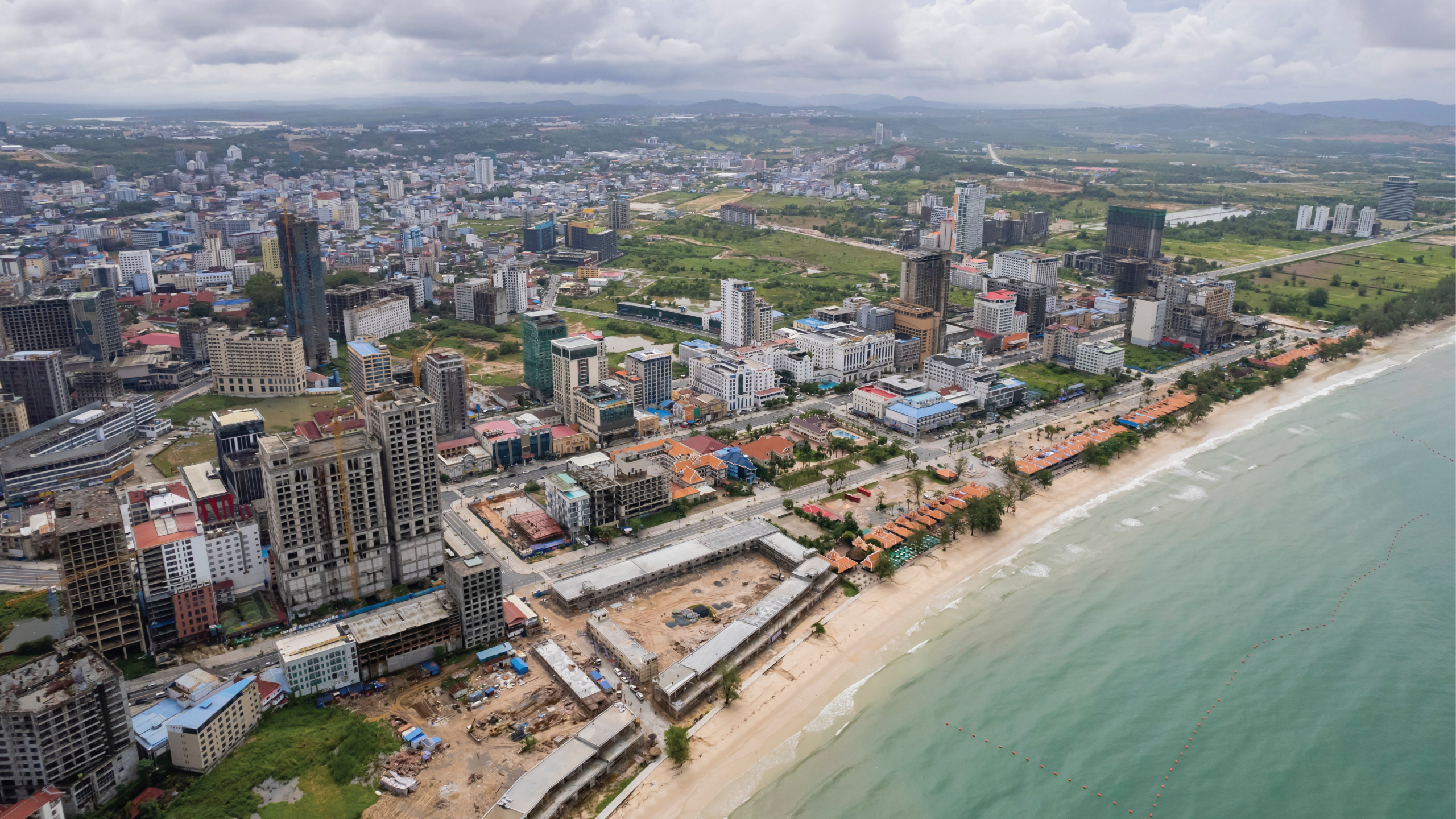
Sihanoukville is the canonical example. That coastal town was, when I visited from Phnom Penh in 2010, a sleepy beach destination with a small expat community and the kind of slow texture that made the broader Cambodia argument work. Chinese capital has transformed it into a casino and online-gambling zone over the past decade. Its transformation has been documented extensively in the regional press. Chinese investment in Sihanoukville’s hotel and casino sector has displaced the local population, distorted the cost-of-living structure, and brought with it the documented organised-crime presence that the scam-centre reporting along the Cambodian border has made visible. Sihanoukville is no longer a destination I would recommend to a Western foreigner considering Cambodia in 2026.
How The Chinese Influence Extends Beyond Sihanoukville
Beyond Sihanoukville, Chinese influence extends across the country. Belt and Road infrastructure investments have reshaped Cambodia’s economic relationships in ways that, in the medium term, will affect the political and regulatory environment in which the Western foreigner is operating. Chinese tourism markets have grown substantially. A Chinese-owned property development sector in Phnom Penh has changed parts of the city. China’s cultural and commercial presence in the country is now substantial in a way that it was not in 2010.
For the Western foreigner thinking about Cambodia in 2026, Chinese influence is real, ongoing, and worth understanding before any move. It does not invalidate the case for the country. It does change the texture of the decision. A foreigner who moves to Phnom Penh is operating in a city that is being progressively reshaped by Chinese capital alongside the more traditional Cambodian and Western influences. One who avoids Sihanoukville and the heavily Chinese-developed corridor along the coast can still build a comfortable Cambodia expat lifestyle in the parts of the country that have not been transformed. But awareness of the Chinese influence has to be part of the decision rather than a footnote to it.
Why Cambodia Compares Favourably To Thailand For The Western Foreigner
Let me make the direct comparison, because it is the question most Westerners actually thinking about Cambodia are asking. Is Cambodia a better option than Thailand for the Western foreigner in 2026? With caveats, my honest answer is yes.
A Cambodian visa regime is more accessible. Thailand’s regime has been progressively tightening for a decade and the rate of tightening is accelerating. Its cost-of-living advantage is real and stable. Thai cost of living in the foreigner-relevant categories has compressed substantially. Cambodian texture has held. Thai texture has been progressively diluted. Cambodian foreign communities have a different quality of expat composition. Thai foreign communities have been shaped by patterns I have documented elsewhere that are not always healthy for the long-term resident.
Where Thailand Still Has The Edge
Where Cambodia is not a better option than Thailand the differences are real but narrower than the cheerful Cambodia-promotion content suggests. Healthcare infrastructure in Cambodia is meaningfully worse than in Thailand. Bumrungrad and Bangkok Hospital level of private medical care is not available in Cambodia. Serious medical events still typically require a flight to Bangkok or Singapore. Roads outside the major cities are less developed. Internet and digital infrastructure is workable but not at the Thai level. An expat support network is smaller, which matters for the foreigner who values the social density of a larger community.
But on the structural questions, the visa, the cost, the texture, the cultural depth, the institutional disposition toward the Western foreigner, Cambodia in 2026 compares favourably to Thailand for the long-term Western resident. A case I would have made for Thailand in 2005 is the case I would make for Cambodia in 2026.
Who Cambodia Is Good For And Who It Is Not Good For
Cambodia for Western expats works for a particular kind of foreigner. A retiree who values texture over polish, who can adapt to a less developed infrastructure in exchange for a more authentic daily life, who is comfortable with the cultural and historical heaviness of the country, who has the financial position to fly to Bangkok or Singapore for serious medical needs, and who is prepared to make the rising Chinese influence a known and managed feature of the move rather than a surprise.
Cambodia is not good for the foreigner who needs the polished hospital and infrastructure environment of Bangkok or Singapore for daily reassurance. It is not good for the foreigner who is looking for the dense international expat community of Phuket, the digital-nomad-Western-cafe ecosystem of Chiang Mai, or the curated tourism-friendly environment of Bali. The country is not good for the foreigner who cannot adapt to a place whose recent history is difficult and whose daily texture carries the weight of that history in ways that the more polished destinations do not.
The Honest Closing Argument
For the right foreigner, Cambodia in 2026 is one of the better options in Southeast Asia. Its visa system is accessible. The cost of living works. Texture is real. Cultural depth is meaningful. Chinese influence is a real consideration but it is not yet overwhelming the country as a whole, and the parts of the country it has overwhelmed (Sihanoukville, parts of the coast) can be avoided.
I nearly moved to Cambodia in 2010. My reasons for not doing so were specific to my situation. Why I keep coming back to the question is that Cambodia in 2026 has held its texture in ways that Thailand has not, has built an accessible visa regime in ways that other regional destinations have not, and has provided the long-term Western foreigner with something the more polished destinations no longer provide.
My Honest 2026 Verdict
So is Cambodia good for expats in 2026? Yes. With the caveats I have laid out. Chinese influence is real. Healthcare gap is real. Infrastructure differences are real. But the case for Cambodia is genuinely real too, and it is the case I have not seen made honestly in the standard expat content that covers the country.
If I were arriving in Southeast Asia in 2026 with no prior roots and the freedom to choose, Cambodia would be on the short list of three or four countries I would seriously consider. The Cambodia expat lifestyle, with the texture and the cost and the visa accessibility, is one of the better remaining offerings in the region. Argument is worth taking seriously. The country deserves the consideration. And a Western foreigner who has been thinking about leaving Thailand and looking for a better-fitting alternative should put Cambodia on the list of countries to visit before deciding.
That is my honest 2026 assessment. A country I nearly chose in 2010 is, in some respects, the country I would choose now if I were starting over.
Frequently Asked Questions
Is Cambodia good for expats in 2026?
Yes, for the right kind of foreigner. Cambodia for Western expats in 2026 offers an accessible visa regime, a cost of living that still works for a modest Western pension, a cultural and historical texture that the more visited Southeast Asian destinations have progressively lost, and a stable dollar-based economy that simplifies the daily financial life of the long-term resident. The country is not perfect. Chinese influence is substantial and rising. A healthcare gap relative to Thailand is real. Infrastructure outside the major cities is less developed. But the structural case for Cambodia in 2026 is genuine, and the country deserves serious consideration from any Western foreigner thinking about Southeast Asia as a long-term destination.
What visa options are available for living in Cambodia as a foreigner?
Two primary options exist. First is the ER (Ordinary Visa for Retirement) for foreigners over 55 with proof of pension or savings, renewable annually. Second is the EB (Business Visa) sponsored through a Cambodian agent or company, also renewable. Neither carries the financial qualification thresholds of the Thai retirement extension (800,000 THB bank deposit) or the Malaysian MM2H (substantial fixed-deposit requirement). Tourist visas of 30 days extendable to 90 are also available for shorter stays. A Cambodian visa framework is one of the more accessible long-stay arrangements in Southeast Asia in 2026, and is one of the structural reasons the country has become a more attractive option for Westerners considering a regional base.
How much does retiring in Cambodia cost per month?
A single Western retiree can live comfortably in Phnom Penh in 2026 on between 1,200 and 1,800 US dollars per month all in, including accommodation, food, utilities, transport, and miscellaneous expenses. Siem Reap is meaningfully cheaper, with comfortable single-expat budgets running 900 to 1,400 dollars. Smaller provincial towns including Kampot and Battambang are cheaper still. Couples can typically share accommodation costs without much additional spending on other categories, bringing the comfortable budget for two to roughly 1,800 to 2,500 dollars in Phnom Penh. Retirement in Cambodia operates on a budget that has narrowed less aggressively than the equivalent budget in Thailand or the Philippines.
What is the Cambodia expat lifestyle actually like in 2026?
A Cambodia expat lifestyle has retained more texture than the equivalent lifestyles in the more visited Southeast Asian destinations. Phnom Penh’s riverfront operates at a rhythm that is recognisably Cambodian, with a mix of local life, NGO and journalist communities, long-term Western residents, and smaller waves of foreign tourists. French colonial architecture in the central districts is substantially intact. Wats function as religious sites rather than as Instagram backdrops. Local market culture is still recognisably Cambodian. Daily life carries a slower texture than the equivalent in Bangkok, Manila, or Bali, which is one of the reasons the long-term Western foreigner who values texture finds Cambodia genuinely attractive.
How does Cambodia compare to Thailand for Westerners in 2026?
Cambodia compares favourably to Thailand on the structural questions: the visa regime is more accessible, the cost of living is more stable, the foreigner-tier pricing is less hardened, the texture of daily life has held better, and the institutional disposition toward Westerners is more welcoming. Thailand still has significant advantages in healthcare infrastructure (Bumrungrad and Bangkok Hospital represent international-standard private medical care that Cambodia does not match), in transport and digital infrastructure, and in the density of the international expat community. The trade-off favours Cambodia for the foreigner who values structural conditions over polish. The trade-off favours Thailand for the foreigner who values polish over structural conditions.
What is the Chinese influence in Cambodia and how does it affect Westerners?
Chinese influence in Cambodia has become substantial over the past decade. Sihanoukville has been transformed by Chinese capital into a casino and online-gambling zone, with documented organised-crime presence and substantial displacement of the local population. Belt and Road infrastructure investments have reshaped the country’s economic relationships. Chinese tourism markets have grown substantially. A Chinese-owned property development sector in Phnom Penh has changed parts of the city. For the Western foreigner, Chinese influence is a real consideration that has to be understood before any move. A practical implication is to avoid Sihanoukville and the heavily Chinese-developed corridor along the coast. Parts of the country that have not been transformed (Phnom Penh outside specific districts, Siem Reap, Kampot, Battambang, the smaller provincial towns) remain workable destinations for the Western foreigner.
Is the healthcare in Cambodia adequate for Western retirees?
Healthcare infrastructure in Cambodia is meaningfully worse than in Thailand. Routine medical care is available at acceptable standards in Phnom Penh through the Royal Phnom Penh Hospital, Sunrise Japan Hospital, and similar private facilities. Serious medical events typically require a flight to Bangkok (one hour by air) or Singapore (two hours) for the level of care available at Bumrungrad, Bangkok Hospital, or Mount Elizabeth. Western retirees in Cambodia generally carry international health insurance with regional medical evacuation provisions to manage this gap. A healthcare consideration is one of the most significant practical caveats to the case for retirement in Cambodia.
What are the best places for Westerners to live in Cambodia in 2026?
Phnom Penh is the primary destination for most Western foreigners, with the central districts (BKK1, BKK3, Daun Penh, Tonle Bassac) carrying the densest expat presence. Siem Reap offers a quieter alternative with the cultural anchor of the Angkor complex and a smaller but established Western community. Kampot and Kep on the southern coast offer a slower pace and lower cost for retirees who prefer provincial life. Battambang in the northwest is the third major Cambodian city and offers an authentic provincial experience for foreigners willing to operate in a less developed Western infrastructure. Sihanoukville should be avoided in 2026 given the transformation discussed above.
What was the author’s personal experience with Cambodia in 2010?
I spent a serious stretch of time in Phnom Penh in 2010, nearly making the decision to relocate there from Thailand. At the time I was working a small portable-electronics arbitrage operation across the Bangkok-Phnom Penh border. Reasons I did not move were specific to my family situation (a young Thai wife, established Thailand roots) and to the gravity of the life I had already built. Why I keep coming back to the question of whether I should have moved are the reasons this article exists. A country I considered in 2010 has changed in significant ways since, but the structural case for Cambodia for Western expats in 2026 is, if anything, stronger now than it was then in terms of the comparative position against Thailand, even with the Chinese influence factored in.
Should I move to Cambodia in 2026?
An honest answer depends on the kind of foreigner you are. If you value texture over polish, can adapt to less developed infrastructure in exchange for a more authentic daily life, are comfortable with the cultural and historical heaviness of the country, have the financial position to fly to Bangkok or Singapore for serious medical needs, and can manage the rising Chinese influence as a known feature of the move rather than as a surprise, Cambodia is one of the better remaining options in Southeast Asia for the long-term Western foreigner. If you need the polished hospital and infrastructure environment of Bangkok or Singapore, the dense international expat community of Phuket or Chiang Mai, or the curated tourism environment of Bali, Cambodia is probably not the right choice. A recommendation is to visit before deciding, spend at least a month on the ground, and form your own honest assessment of whether the country matches your specific needs and preferences.
Sources
- Cambodia Ministry of Foreign Affairs and International Cooperation — Visa Categories and Application Information, the official Cambodian government portal documenting the EB and ER visa categories and renewal requirements
https://www.mfaic.gov.kh/ - Cambodia General Department of Immigration — Long-Stay Visa Renewal Documentation, the official Cambodian immigration agency renewal procedures and sponsorship framework
https://www.immigration.gov.kh/ - Expat Den — Living in Cambodia A Complete Guide, the Southeast Asia expat publication’s documentation of cost of living, visa mechanics, and the practical realities of Western residence in Cambodia
https://www.expatden.com/cambodia/ - Cambodia Investment Review — Expat Living and Cost of Living Analysis 2025-2026, the typical monthly budgets for single retirees in Phnom Penh and Siem Reap and the rental market by central district
https://cambodiainvestmentreview.com/ - Numbeo — Cost of Living in Cambodia, the international cost-of-living database confirming the comparative pricing structure against Thailand, the Philippines, and Vietnam
https://www.numbeo.com/cost-of-living/country_result.jsp?country=Cambodia - National Bank of Cambodia — Official central bank documentation of the dual-currency system and the dollar’s role as the operating currency for meaningful transactions
https://www.nbc.gov.kh/english/ - Khmer Times — Cambodia’s Dollar Economy and Currency Structure, the Cambodian English-language newspaper’s coverage of the dual-currency framework in 2025-2026
https://www.khmertimeskh.com/ - Phnom Penh Post — Phnom Penh Rental Market and Cost of Living Analysis 2025, the central district rental price ranges including BKK1, BKK3, Daun Penh, and Tonle Bassac
https://www.phnompenhpost.com/ - Asia Property Awards — Cambodia Real Estate Market and Foreign Investment 2025-2026, the post-2015 boom in foreign-led investment and the gentrification of central Phnom Penh
https://www.propertyguru.com.kh/ - Reuters — Cambodia Sihanoukville Chinese Investment and Casino Sector Transformation, the mainstream press reporting on the Sihanoukville transformation 2017-2025
https://www.reuters.com/world/asia-pacific/ - Radio Free Asia — Sihanoukville Chinese Casino Operations and Organised Crime Documentation, the investigative reporting on the gambling zone, organised crime, and scam centres
https://www.rfa.org/english/news/cambodia/ - United Nations Office on Drugs and Crime — Cambodia Scam Compound and Online Fraud Documentation, the official multilateral reporting on scam centres and human-trafficking patterns along the Cambodian borders
https://www.unodc.org/roseap/en/cambodia/ - UNESCO World Heritage Centre — Angkor Archaeological Park, the official documentation of the Khmer Empire architectural achievement and World Heritage designation since 1992
https://whc.unesco.org/en/list/668/ - Wikipedia — Khmer Empire, the documentation of the 9th-15th century Khmer civilisational depth and Angkor architectural framework
https://en.wikipedia.org/wiki/Khmer_Empire - Wikipedia — Cambodia, the comprehensive country documentation including modern political history, religious landscape, and demographic patterns
https://en.wikipedia.org/wiki/Cambodia - Wikipedia — French Protectorate of Cambodia, the documentation of the 1863-1953 French colonial period and the architectural inheritance in central Phnom Penh
https://en.wikipedia.org/wiki/French_Protectorate_of_Cambodia - Asian Development Bank — Cambodia Country Economic Outlook 2025-2026, the official multilateral documentation of GDP growth projections of 5.5-6 per cent annually and the foreign investment patterns
https://www.adb.org/countries/cambodia/economy - International Monetary Fund — Cambodia Country Report and Article IV Consultation, the official IMF surveillance documentation of the macroeconomic indicators and dual-currency dynamics
https://www.imf.org/en/Countries/KHM - World Bank — Cambodia Country Overview, the official documentation of the foreign direct investment patterns and the structural Chinese share through Belt and Road
https://www.worldbank.org/en/country/cambodia - Bumrungrad International Hospital and Bangkok Hospital — Medical Tourism and Cross-Border Patient Services, the documentation of the regional standard for international-level medical care that serves Cambodia patient flows
https://www.bumrungrad.com/en/ - Royal Phnom Penh Hospital and Sunrise Japan Hospital Phnom Penh — Cambodian Private Healthcare Sector, the documentation of the major private hospitals operating in Phnom Penh and the foreign-patient services
https://royalphnompenhhospital.com/ - East Asia Forum — Cambodia China Belt and Road Investment and Economic Integration, the analytical coverage of Chinese infrastructure investment and the political and regulatory implications
https://eastasiaforum.org/category/cambodia/ - CSIS Center for Strategic and International Studies — Cambodia Chinese Influence Analysis, the Washington think tank’s policy analysis of the structural Chinese influence on the Cambodian economy and political system
https://www.csis.org/programs/southeast-asia-program - Wikipedia — History of Cambodia (1979-Present), the documentation of post-Khmer-Rouge reconstruction, the UN transitional administration period, and the modern political trajectory under Hun Sen and Hun Manet
https://en.wikipedia.org/wiki/History_of_Cambodia_(1979%E2%80%93present) - Cambodia Daily Archives — Long-Term Western Foreigner Community Documentation, the journalistic archive of the long-term NGO and journalist Western community character across the 1990s, 2000s, and 2010s
https://english.cambodiadaily.com/ - Move To Cambodia — Comprehensive Expat Guide and Visa Information Portal, the long-running practitioner-level expat resource covering visa procedures, cost of living, healthcare, and daily life
https://movetocambodia.com/