Why I Want To Have A Different Conversation
I want to have a different conversation in this article about the Philippines expat dream. Not only about the individual cost of a condo, beer prices and the other staples of an expat life, I have covered all of that elsewhere. I want to talk about something more personal, which is the Philippines dream itself.
Specifically, the Philippines expat dream is the thing that brought most Western men to the country in the first place. It is the thing that the cheerful expat content has been selling for over a decade. It is the thing that, in 2026, is getting structurally out of reach for the kind of Western foreigner who was, until quite recently, the natural customer for it. Honestly, this is the conversation that the long-term Western foreigner in Southeast Asia needs to be having about the Philippines in 2026, and it is the conversation that the cheerful content has been most reluctant to engage with.
What The Philippines Expat Dream Actually Is
First, let me describe the dream for anyone reading who has not been on the receiving end of it.
The Philippines dream is, in its basic form, the promise of a comfortable middle-aged Western life on a Western foreigner’s modest budget. A nice condo in BGC or Makati or Cebu. A Filipina partner. Freedom to fly between the islands on a whim. Healthcare that does not bankrupt you when something goes wrong. International restaurants when you want them and the carinderias when you do not. A sense of being respected, of being welcomed, of being part of something larger than the post-industrial decline of your home country.
Notably, the Philippines was, for a long time, the destination that delivered this package at a price point that the Western retiree could easily afford, for a life he could not afford at home. Indeed, that promise has been the engine of the Philippines expat inflow for the past fifteen years. The dream has filled the comment sections of every Philippines channel with men describing their plans, their savings, their target moves.
The Dream Is No Longer Affordable In 2026
What I want to tell you today is that the dream, in 2026, is no longer affordable for the kind of Western foreigner who was the natural customer for it. Honestly, this is the core argument of the article, and the rest of the piece is going to walk you through what specifically has moved out of reach, by how much, and why the cheerful content has been reluctant to engage with the shift.
So let me explain what I mean about the dream becoming unaffordable, because I want to be specific about which parts of the dream have moved out of reach and why. The four pillars of the dream (the condo, the social life, the healthcare, and the relationship) have all shifted in real terms over the past five to ten years, and the cumulative effect on the dream foreigner’s monthly budget is substantial in a way that the headline cost-of-living figures do not capture.
The First Pillar: The Condo
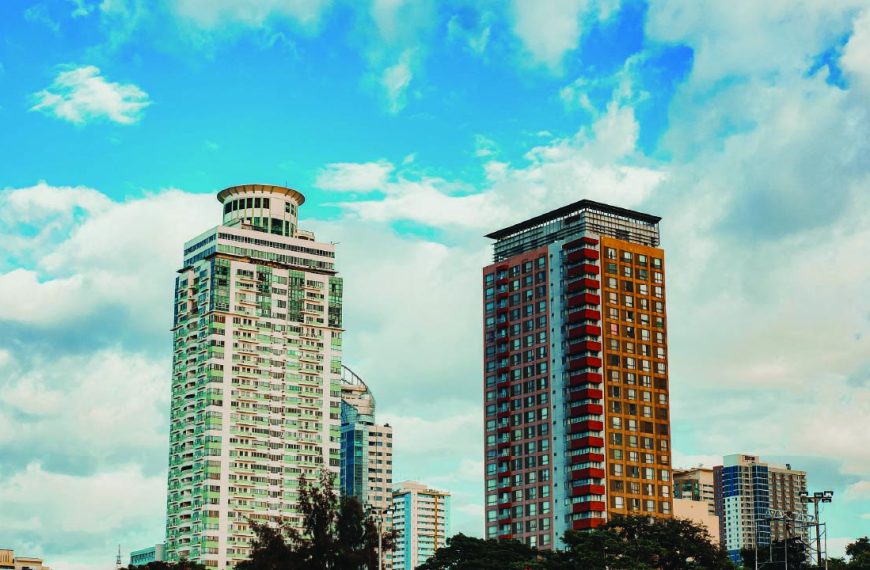
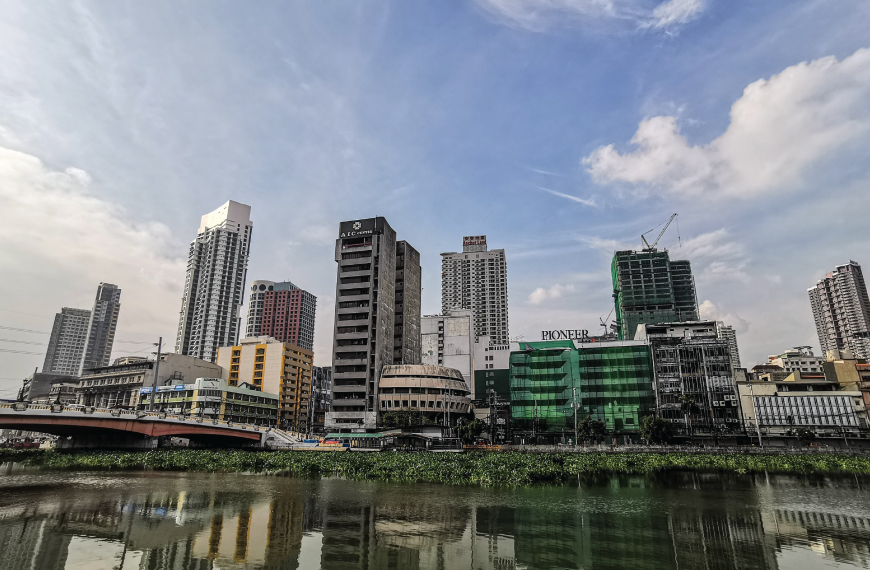
First, the dream condo. Not just any condo. Not just any condo. Specifically, the condo that lets the Western foreigner walk into a Manila or Cebu evening and feel like he has arrived somewhere. A BGC tower with the rain shower and the marble countertops. Or a Makati building with the pool and the gym and the doorman. Or a Cebu unit with the view that justifies the move from his home country.
Specifically, five years ago, that condo was costing three to six hundred dollars a month. Today, the same condo in the same building, often in the same line of units, is being asked at six hundred to twelve hundred dollars a month. So the dream condo has roughly doubled in real terms in five years, and the Western foreigner whose budget was built around the three-hundred-dollar number is now looking at a budget that no longer covers the lifestyle the dream was sold on.
Who The Dream Foreigner Actually Is
Now I want to be honest about something. The dream foreigner is not the broke foreigner. He is the man with a modest pension. Not poor, but unable to afford to retire at home. He has some resources. But those resources were calculated against a specific set of numbers, and those numbers no longer reflect what the Philippines is asking for.
Therefore he is being slowly squeezed out of the lifestyle bracket he was promised, into a lifestyle bracket that is a few rungs lower than what the dream described. A condo he could comfortably afford at the older price point is the condo he is now stretching to afford. The neighbourhood he could comfortably target is the neighbourhood he is now reaching for. His promised lifestyle bracket is the lifestyle bracket he is now compromising on. Importantly, this is not a small shift. It is the structural shift that defines what has happened to the dream over the past decade.
The Second Pillar: The Social Life
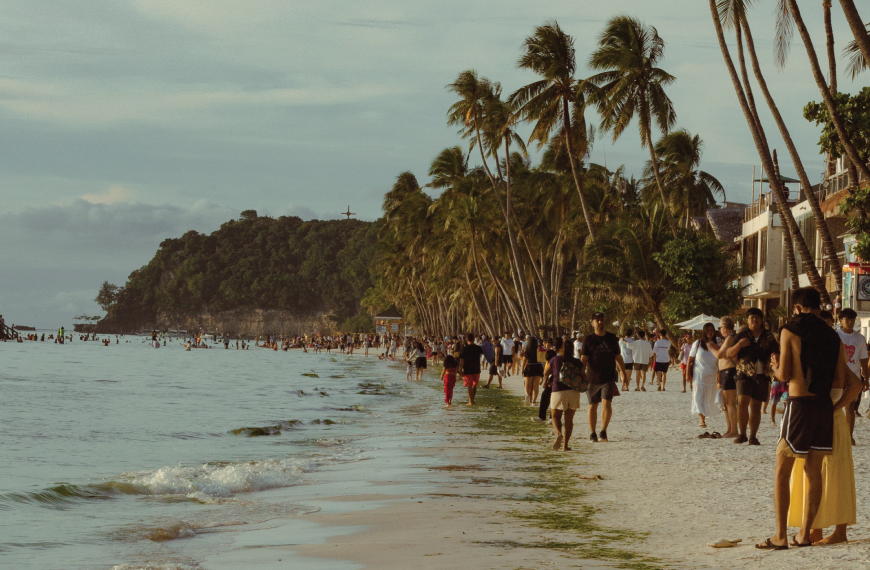
Second, the social life pillar. Not just any social life. Not just any social life. Specifically, the kind of social life that the Philippines was selling. Bars in Makati. Restaurants in Greenbelt and BGC that serve the international cuisine the Western foreigner wants when he wants it. Weekend trips to Palawan or Boracay or Cebu that punctuate the city life with the island life that the country is famous for.
The dream included this social and lifestyle infrastructure as a core element of the promise, and the social and lifestyle infrastructure has, in 2026, hardened into the foreigner-pricing tier that I have covered in detail in prior articles.
What The Lifestyle Calendar Now Actually Costs
Specifically, a round of drinks at a Greenbelt bar has nearly doubled in a decade in peso terms. A dinner for two at the international restaurants in BGC has similarly doubled in the same timeframe. The weekend trip to Palawan that was a 25,000-peso all-in package is now running 50,000 to 60,000. Furthermore, the cumulative effect on the monthly budget is substantial in a way that the headline cost-of-living figures simply do not capture. A dream foreigner who has been building his retirement plan around the older social calendar pricing is going to find that the social calendar he was promised has moved up to a price point that his budget can no longer comfortably absorb.
The Third Pillar: The Healthcare Picture
Third, the healthcare picture. The dream included the assurance that healthcare in the Philippines, while not perfect, was good enough at a price the Western foreigner could afford. Specifically, the private hospitals in Manila (St Luke’s, Makati Medical, Asian Hospital) were delivering reasonable care at prices that the foreign retiree could absorb out of pocket or through international insurance at affordable premiums.
Unfortunately, that picture has shifted. Specifically, private hospital pricing has risen substantially. International insurance premiums for the over-sixty cohort, which is the cohort the dream is sold to, have risen sharply. The dream retiree who built his plan around a 200-dollar-a-month international insurance policy is now looking at a 400-to-700-dollar-a-month premium for equivalent coverage.
How The Healthcare Pressure Point Hits The Retirement Budget
The healthcare piece of the dream, which was always the practical safety net underneath the lifestyle pitch, has become a financial pressure point in its own right. Importantly, the older content treated healthcare as the cheap-and-functional piece of the package that the Western retiree could rely on without having to worry about it. In 2026, healthcare has become one of the categories that the retiree most needs to worry about, because the international insurance premium for the typical over-sixty Western retiree has become one of the largest fixed monthly costs in his budget. The retiree who is not pricing the new insurance numbers into his planning is the retiree who is going to be most exposed when the premium renewal arrives.
The Fourth Pillar: The Filipina Partner
Fourth, the Filipina partner. The expectations on the Filipina side have risen with the broader cost of living. The educational and family-support obligations have hardened. Specifically, the realistic monthly contribution that the Western foreigner is expected to make to a relationship has roughly doubled in real terms over the past decade in the prestige Manila and Cebu segments that the dream selects for.
Putting The Four Pillars Together
Now I want to put the four pieces together, because the cumulative effect is the part of the picture that has actually shifted.
Specifically, in 2015 the dream foreigner was looking at a comfortable BGC or Makati lifestyle on a budget of around 1,200 to 1,800 dollars a month all in, including the condo, the social life, the healthcare insurance, and the relationship contribution. In 2026, the equivalent package is running 2,500 to 3,800 dollars a month all in. So the dream foreigner who built his retirement plan around a 1,500-dollar budget is, in 2026, significantly under-funded for the lifestyle he was promised. The dream foreigner who built his plan around a 2,000-dollar budget is just barely making it. The dream foreigner who built his plan around a 2,500-dollar budget is comfortably inside the new pricing, but he is also, in real terms, one of the wealthier foreigners arriving in the country, which is not what the marketing was selling.
The Broader Southeast Asian Comparison
Let me put this in the broader Southeast Asian context, because the comparison clarifies what has happened.
Historically, the Philippines was, for a long time, the budget alternative to Thailand. Specifically, the Western foreigner who could not quite afford Bangkok or Pattaya, who was looking at the older, less-developed neighbourhoods of Chiang Mai, who was trying to make the regional move work on a tighter budget, was the foreigner the Philippines pitch was aimed at. The Philippines was selling itself as the destination one rung below Thailand on cost, with comparable lifestyle delivery for the dollar. That pitch was true for a long time. By 2026, it is no longer true.
Why The Philippines Is Now More Expensive Than Thailand
In 2026, the Philippines is, on the dream-foreigner segment specifically, more expensive than Thailand for the equivalent package. A BGC condo costs more than the Sukhumvit condo. Manila private hospitals cost more than the Bangkok private hospitals. A Manila international restaurant costs more than the Bangkok international restaurant. Furthermore, the Manila domestic flight to a beach destination costs more than the equivalent Thai domestic flight. Filipina partners who used to be a budget advantage relative to the Thai equivalent have, in the prestige segments at least, converged toward similar real-terms contribution expectations.
So the cost-arbitrage rationale that made the Philippines a viable budget alternative to Thailand for the dream foreigner has effectively collapsed. The Philippines is now, in many of the categories that matter most to the dream package, the more expensive option.
What The Dream Foreigner Does In 2026
So what does the dream foreigner do in 2026, given that the country he was planning to move to is no longer the country the brochure described? Honestly, the answer is that the dream itself needs to be reconsidered. A dream that the Philippines was selling, the comfortable middle-class Western lifestyle on a modest Western budget in a tropical Asian setting with all the trimmings, is no longer available in the Philippines at the price point that defined the original sale.
So the dream foreigner has, broadly, three options.
The First Option: Accept The New Pricing And Bring More Money
First, the option to accept the new pricing and bring more money. If your savings are larger than the original dream assumed, the dream is still available, just at a higher price tag than you were budgeting for. A 2,500-to-3,800-dollar budget covers the new pricing. Anyone who can comfortably commit at that level can still have the BGC or Makati lifestyle, the social and travel calendar, the healthcare cover, the relationship package. So the dream still works. It just costs more than it used to.
Importantly, this option is only available to the dream foreigner who has the resources to commit at the new pricing. The original natural customer for the dream, the man with the modest pension whose budget was calculated against the older numbers, does not have this option in any meaningful sense. So this option, in functional terms, is for the wealthier segment of the original dream-foreigner cohort, which is not the segment the original marketing was aimed at.
The Second Option: Take The Original Budget Elsewhere
Second, the option to take the same budget you originally planned and find a different destination. Specifically, the Phnom Penh dream costs less and delivers similar lifestyle for the budget. Several other regional destinations now deliver the dream-foreigner package at price points that the Philippines used to occupy and no longer does.
By contrast with the Philippines, Cambodia in 2026 is still operating on a cost framework that broadly matches what the Philippines was operating on five to ten years ago. A Phnom Penh condo costs less. Social life there costs less. The Phnom Penh healthcare picture is broadly comparable for the practical lifestyle that the dream foreigner is looking for. Vientiane and other regional secondary alternatives operate similarly. For the dream foreigner who is willing to take his original budget to a different country, the regional alternatives are real, and several of them still deliver the dream at price points that the Philippines used to charge.
The Third Option: Compromise On The Dream Within The Philippines
Third, the option to compromise on the dream itself within the Philippines. Specifically, the provincial cities (Davao, Bacolod, Iloilo, Dumaguete) still offer a comfortable lifestyle at prices closer to the original dream budget. The compromise is that you are not in BGC or Cebu. You are not in the prestige urban environments that defined the visible aspirational version of the dream. Instead, you are in a smaller, slower, more locally-textured version of the Philippines that, for many foreigners, is a better fit anyway.
The dream foreigner who can let go of the prestige urban setting and engage with the provincial Philippines on its own terms can still have a comfortable retirement at the older price point. By contrast, the dream foreigner who cannot let go of the BGC version is the one who is going to be unhappy.
The Personal Observation That Has Been Forming For Me
Now I want to close with the personal observation that has been forming for me as I have watched the dream foreigner segment over the past several years.
Specifically, the cheerful content built the dream over a decade by selecting the most photogenic version of the Philippines, the most appealing condo tours, the most attractive Filipina partners, the most cheerful weekend trips. So the dream that was sold was always a curated version of the country. The reality has always been more complicated. What has changed in 2026 is that the curated version of the dream has moved out of price range for the natural customer of the dream, and the foreigner who arrives expecting the curated version on the older budget is the foreigner who is going to be most disillusioned with what he actually finds.
What The Dream Foreigner Should Do Before He Commits
So if you are reading this and the dream sounds like what brought you to the Philippines, or what is bringing you there, I would ask you to do one thing. Look at the actual 2026 numbers before you commit. Build your budget from current prices, not from the prices you remember from the older content. Factor in the electricity surprise. Include the relationship-cost shift. Layer in the healthcare insurance hardening. Then add the international flight inflation.
Then ask yourself whether the dream as you have been planning it is still affordable on the resources you have. If it is, the Philippines is still a beautiful country to commit to. If it is not, the honest move is to reconsider, either the destination or the version of the dream you are bringing with you.
The Closing Argument I Want To Land
Honestly, the Philippines dream that was sold for fifteen years was, for a long time, an honest deal at an honest price. But the country has moved on. Prices have moved up. The dream has not been updated. Any Western foreigner who is reading the older content and planning the older move needs to hear, before he commits, that the country he is moving to is not the country the older content described. That is the version of the argument that I think needs to be made now. It is not the cheerful version. Honestly, it is the harder version. And the harder version, in my view, is what the dream foreigner deserves before he makes the move that he is going to spend the rest of his life living with.
Frequently Asked Questions
What is the Philippines Expat dream that has been getting too expensive?
Specifically, the Philippines dream is the promise of a comfortable middle-aged Western life on a Western foreigner’s modest budget. The package includes a nice condo in BGC, Makati, or Cebu, a Filipina partner, the freedom to fly between the islands, the healthcare picture that does not bankrupt the retiree, the international restaurants and the local carinderias, and the sense of being respected and welcomed in a place that does not have the post-industrial decline of his home country. This dream has been the engine of the Philippines expat inflow for the past fifteen years, and it has been the central marketing pitch of the cheerful expat content.
How much has the dream-foreigner monthly budget shifted between 2015 and 2026?
Substantially. Specifically, in 2015 the dream foreigner was looking at a comfortable BGC or Makati lifestyle on around 1,200 to 1,800 dollars a month all in, including the condo, the social life, the healthcare insurance, and the relationship contribution. By 2026, the equivalent package is running 2,500 to 3,800 dollars a month all in. The dream foreigner who built his retirement plan around a 1,500-dollar budget is now significantly under-funded for the lifestyle he was promised. The 2,000-dollar planner is barely making it. Only the 2,500-dollar planner is comfortably inside the new pricing, and he is also one of the wealthier foreigners arriving in the country, which is not what the marketing was selling.
Which of the four dream pillars has shifted most aggressively?
Honestly, the condo and the healthcare have moved most sharply in real terms. The BGC and Makati dream condo has roughly doubled from 300-600 dollars a month five years ago to 600-1,200 dollars a month in 2026. International health insurance premiums for the over-sixty cohort have risen from around 200 dollars a month for adequate coverage to 400-700 dollars a month for equivalent coverage. The social life and the relationship contribution have also moved up substantially, but the condo and the healthcare are the categories where the natural customer for the dream is most exposed.
Is the Philippines now more expensive than Thailand?
On the dream-foreigner segment specifically, yes. In 2026, a BGC condo costs more than the Sukhumvit condo. Manila private hospitals cost more than the Bangkok private hospitals. A Manila international restaurant costs more than the Bangkok international restaurant. Manila domestic flights to a beach destination cost more than the equivalent Thai domestic flight. Filipina partners have, in the prestige segments, converged toward similar real-terms contribution expectations as the Thai equivalent. So the cost-arbitrage rationale that made the Philippines a viable budget alternative to Thailand for the dream foreigner has effectively collapsed.
Should a Western foreigner still consider the Philippines for retirement?
Honestly, it depends on his budget and his expectations. For the dream foreigner with the modest pension whose budget was calculated against the older numbers, the Philippines is no longer the affordable destination it was. He has three honest options. First, accept the new pricing and bring more money if he can. Second, take the original budget to a regional alternative such as Cambodia or one of the other secondary destinations that still operate on the older cost framework. Third, compromise on the prestige urban setting within the Philippines and consider Davao, Bacolod, Iloilo, or Dumaguete at price points closer to the original dream budget.
What are the regional alternatives that still deliver the dream at the older budget?
Notably, Cambodia, specifically Phnom Penh, is the closest regional alternative that still delivers the dream-foreigner package at price points that the Philippines used to occupy. A Phnom Penh condo costs less. Social life in Phnom Penh costs less. Healthcare is broadly comparable for the practical lifestyle the dream foreigner is looking for. Vientiane and other regional secondary alternatives operate similarly. The dream foreigner who is willing to take his original budget to a different country has real options, and several of them still deliver the dream at price points that the Philippines no longer offers.
Why has the cheerful content not engaged with the dream-pricing shift?
Because doing so would force a confrontation with the broader question of what the Philippines is becoming for the natural customer of the dream, and the answer to that question is uncomfortable for the content creators who have been selling the older version. Additionally, the cheerful content has commercial relationships with the developer sectors, the tourism sectors, and the broader commercial infrastructure that has been progressively reorganised around the new pricing, so producing content that is honest about the shift would, in functional terms, hurt the commercial interests of the content creators. The result is that the long-term Western foreigner who has watched the shift unfold is, in many cases, the only person in the conversation who is in a position to discuss it honestly.
What is the practical advice for the dream foreigner planning the move?
First, look at the actual 2026 numbers before he commits. Build the budget from current prices, not from the prices he remembers from the older content. Factor in the electricity surprise. Include the relationship-cost shift. Layer in the healthcare insurance hardening. Then add the international flight inflation. Ask whether the dream as he has been planning it is still affordable on the resources he has. If yes, the Philippines is still a beautiful country to commit to. If no, the honest move is to reconsider, either the destination or the version of the dream he is bringing with him.
What are the provincial city alternatives within the Philippines?
Specifically, Davao, Bacolod, Iloilo, and Dumaguete still offer a comfortable lifestyle at prices closer to the original dream budget. A compromise is involved: the dream foreigner is not in BGC, Makati, or Cebu. He is not in the prestige urban environments that defined the visible aspirational version of the dream. Instead, he is in a smaller, slower, more locally-textured version of the Philippines that, for many foreigners, is a better fit anyway. A dream foreigner who can let go of the prestige urban setting and engage with the provincial Philippines on its own terms can still have a comfortable retirement at something closer to the older price point.
What is the honest summary of the article’s argument?
Honestly, the Philippines dream that was sold for fifteen years was, for a long time, an honest deal at an honest price. But the country has moved on. Prices have moved up. The dream has not been updated. Any Western foreigner who is reading the older content and planning the older move needs to hear, before he commits, that the country he is moving to is not the country the older content described. A dream foreigner has three honest options: accept the new pricing and bring more money, take the original budget to a regional alternative such as Cambodia, or compromise on the prestige urban setting within the Philippines and consider the provincial cities. Cheerful content will not tell him this. By contrast, the long-term Western foreigner who has watched the shift is the person who needs to tell him.
Sources
- Colliers Philippines Residential Market Reports 2025-2026 — the international property consultancy documentation of BGC, Makati, and Cebu condominium rental pricing including the doubling of the dream-tier rentals over the past five years
https://www.colliers.com/en-ph/research - JLL Philippines Real Estate Market Outlook 2025-2026 — the JLL Manila office property market documentation of premium district rental rates and the trajectory of the foreigner-targeted segment
https://www.jll.com.ph/ - Lamudi Philippines Property Pricing Database — the property listings platform documentation of asking rents across BGC, Makati, Greenbelt, and the broader Metro Manila premium districts referenced in the article
https://www.lamudi.com.ph/ - Numbeo Cost of Living in Manila Database — the international cost-of-living database documenting Manila rental, food, and broader consumer pricing for the dream-foreigner package referenced in the article
https://www.numbeo.com/cost-of-living/in/Manila - Numbeo Cost of Living in Cebu Database — the international cost-of-living database documenting Cebu rental and broader consumer pricing alongside the Manila comparison in the article
https://www.numbeo.com/cost-of-living/in/Cebu - Numbeo Cost of Living in Phnom Penh Database — the international cost-of-living database confirming the Phnom Penh ranges used as the regional alternative benchmark for the dream-foreigner package in the article
https://www.numbeo.com/cost-of-living/in/Phnom-Penh - Numbeo Cost of Living in Bangkok Database — the international cost-of-living database used in the article’s Bangkok-versus-Manila reversal of the historical cost-arbitrage comparison
https://www.numbeo.com/cost-of-living/in/Bangkok - Bangko Sentral ng Pilipinas (BSP) — the official Philippine central bank documentation of inflation, peso trajectory, and the broader macroeconomic context for the dream-foreigner budget shift over the past decade
https://www.bsp.gov.ph/ - Philippine Statistics Authority (PSA) Family Income and Expenditure Survey — the official documentation of Philippine household income distribution and consumer-spending trajectories referenced in the article’s cost-of-living analysis
https://psa.gov.ph/ - St Luke’s Medical Center Philippines — the documentation of one of the Manila private hospitals referenced in the article’s healthcare pillar discussion including pricing trajectory
https://www.stlukes.com.ph/ - Makati Medical Center — the documentation of the Makati Medical private hospital referenced in the article’s healthcare picture analysis
https://www.makatimed.net.ph/ - Asian Hospital and Medical Center — the documentation of the Asian Hospital private medical facility referenced in the article’s Manila healthcare comparison
https://www.asianhospital.com/ - Cigna Global Health Insurance Premium Reports — the international health insurance provider documentation of the over-sixty cohort premium trajectory referenced in the article’s healthcare-pricing analysis
https://www.cignaglobal.com/ - Allianz Care International Insurance Reports — the international health insurance provider documentation of the Asia-region expat premium structures referenced in the article’s coverage discussion
https://www.allianzcare.com/ - William Russell Expatriate Health Insurance Reports — the international expatriate insurance provider documentation of the typical Western retiree coverage costs in Southeast Asia referenced in the article
https://www.william-russell.com/ - Philippine Department of Tourism — the official documentation of the inter-island flight cost trajectory including the Manila-Cebu, Manila-Palawan, and Manila-Boracay routes referenced in the article’s social calendar analysis
https://www.tourism.gov.ph/ - Cebu Pacific and Philippine Airlines Domestic Pricing Documentation — the official airline documentation of the domestic flight pricing referenced in the article’s social calendar comparison
https://www.cebupacificair.com/ - Philippine Bureau of Immigration SRRV Documentation — the official documentation of the Special Resident Retiree Visa framework referenced as the formal long-stay framework for the dream-foreigner segment
https://immigration.gov.ph/ - Philippine Retirement Authority — the official documentation of the SRRV programme tiers, financial requirements, and the broader long-stay framework for the dream-foreigner segment referenced in the article
https://www.pra.gov.ph/ - Asian Development Bank Philippines Country Outlook — the multilateral development bank documentation of the Philippine economic structure and the cost-of-living trajectory used in the article’s macroeconomic context
https://www.adb.org/countries/philippines/economy - World Bank Philippines Country Overview — the documentation of the Philippine economic structure including the broader consumer-price trajectory referenced in the article’s cost-of-living analysis
https://www.worldbank.org/en/country/philippines - Manila Bulletin Property and Lifestyle Coverage — the Philippine newspaper coverage of the BGC, Makati, and Cebu rental market trajectory and the broader lifestyle-cost reporting referenced in the article
https://mb.com.ph/ - Philippine Daily Inquirer Lifestyle and Property Coverage — the Philippine newspaper long-running coverage of the central district rental and consumer-spending trajectory referenced in the article
https://www.inquirer.net/ - Wikipedia — Bonifacio Global City (BGC), the documentation of the BGC development, the foreigner-targeted commercial framework, and the broader context for the article’s prestige-district pricing argument
https://en.wikipedia.org/wiki/Bonifacio_Global_City - Wikipedia — Makati, the documentation of the Makati central business district that defines part of the prestige urban environment referenced in the article’s dream-foreigner argument
https://en.wikipedia.org/wiki/Makati