The Philippines condo sales pitch
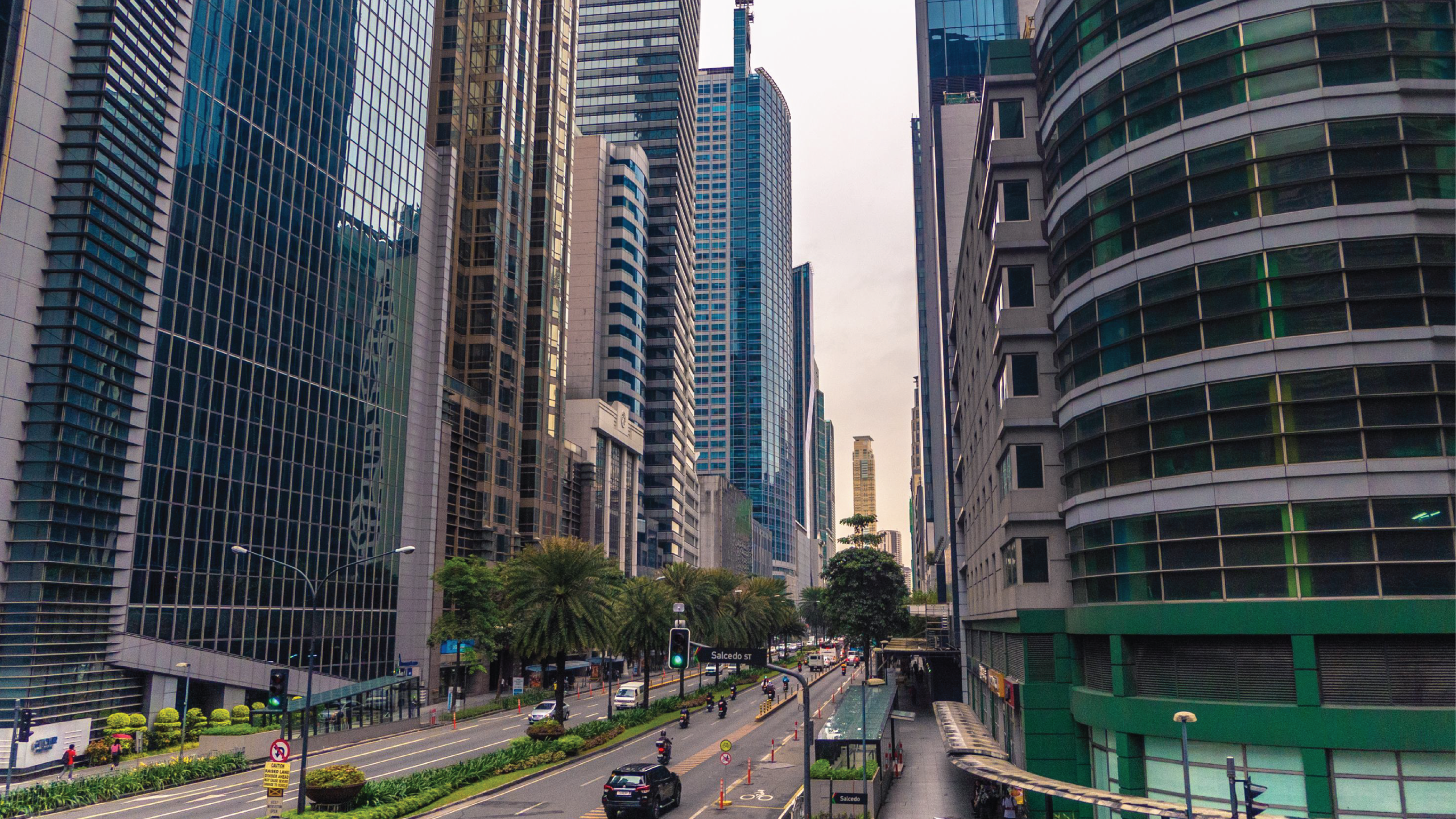
The last time I was in Manila, I was pitched on the side of the street in BGC for a unit in one of the new towers. I had zero interest in buying into the Philippines property market, but this had happened to me so many times that I thought, why not, let me go and see what they are actually selling.
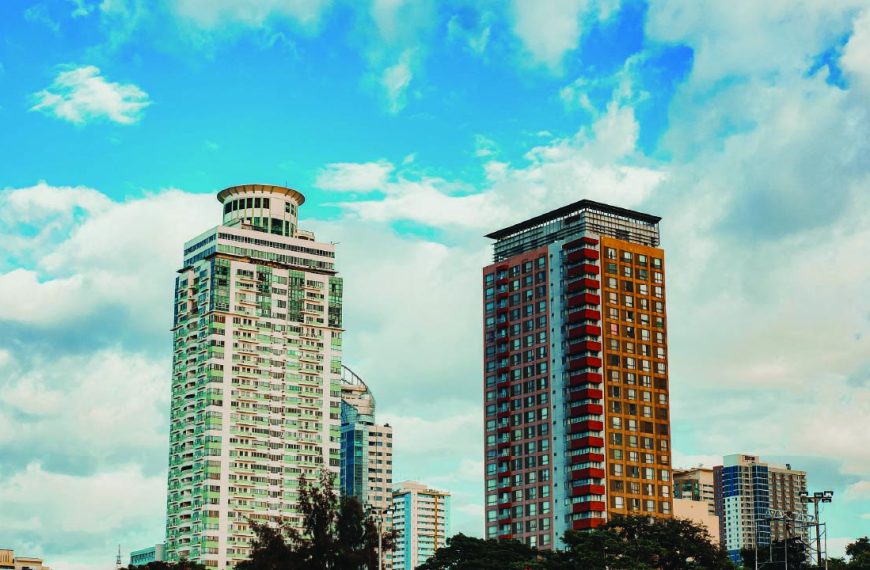
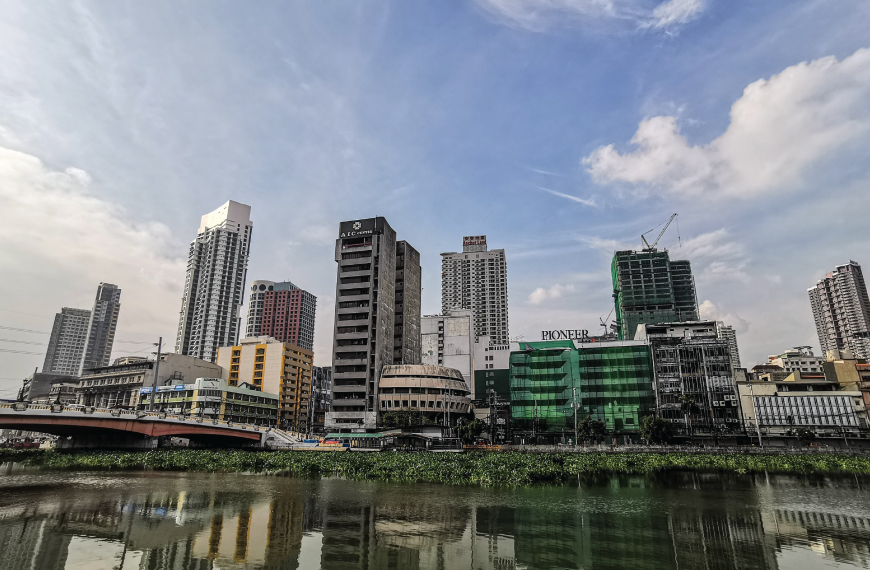
The condo itself was not, on the face of it, a bad condo. It was a brand-new unit in a brand-new tower in one of the prestige districts of one of Southeast Asia’s most aggressively marketed property markets. Fittings were acceptable. A view from the floor I was on was acceptable. Building amenities were the standard mid-range developer offering of a pool, a gym, a co-working lounge, a function room.
The Asking Price That Stopped Me In My Tracks
But when I asked the price, I will admit to not being able to control my laughter. They wanted 11 million pesos. Just under 200,000 US dollars. For a 33 square meter one-bedroom unit. This was on a low floor. Prices rose the higher you went. Six units were shown to me in the same building, each one getting more expensive, each one empty and unoccupied, and I was left shaking my head wondering how anyone could quote these numbers and keep a straight face.
Why The Philippines Property Market Is Worse Than Thailand’s
I have covered the Thailand property market in considerable depth over the past several years. Living it taught me a lot. Studying it taught me more. My past writing on the topic has covered the 1.64 million vacant housing units across Thailand, the foreigner-quota provisions, the marital-property exposure under sin somros and sin suan tua, and the 200 billion baht of foreign-purchased property exposed to the visa system. The Thai market is a bad place to put your money, and I have made that argument repeatedly.
The Philippines property market in 2026 is worse, and not marginally worse. Structurally worse. The Thai market is overpriced, but at least anchored to a functioning regional economy with a tourism industry that delivers genuine occupancy and a domestic middle class that, while constrained by household debt at 104 per cent of GDP, occupies some of the property stock. The Philippines market in BGC and Makati has none of those anchors at the prices being asked. It has been priced for a fantasy buyer who does not exist in the volumes the developers need, and the segment being aggressively cultivated to fill the gap is the Western retiree who should be running, not buying.
What This Article Will Cover
This piece is going to lay out the structural reasons the Philippines property market is a scam, the engineering behind the sales operation, the rent-versus-buy mathematics, and the practical takeaway for any Western foreigner considering Manila as a long-term base. By the time you finish reading, you should never look at a BGC brochure the same way again.
The Regional Price Comparison That Exposes The Absurdity
Let me start with the pricing context, because the absurdity is most visible when the BGC numbers sit alongside their regional peers.
A condo I was shown in BGC was 11 million pesos for 33 square metres. That works out to around 333,000 pesos per square metre, or roughly 6,000 US dollars per square metre at the rate the agent was quoting.
Put that number against the regional comparables. Bangkok central districts in 2026 are around 4,000 to 5,000 US dollars per square metre on the high end and substantially less on the secondary market, and we all know that prices in Bangkok are also insane. Kuala Lumpur central is roughly 3,000 to 4,000. Phnom Penh is 2,000 to 2,500. Ho Chi Minh City premium districts are roughly 3,500 to 4,500. Even Singapore, the genuinely international financial centre with the rule of law, the world-class infrastructure, the actual permanent-residence pathway, the functioning regional banking sector, and the demonstrable demographic and economic foundations, charges somewhere around 18,000 to 22,000 US dollars per square metre in the central districts.
What Manila BGC Is Actually Asking For Versus What It Delivers
So Manila BGC, on the pricing logic the agents are quoting, is asking for roughly a third of what Singapore costs, while delivering perhaps a tenth of what Singapore delivers. Traffic in Manila is worse than Singapore. Rule of law in the Philippines is dramatically weaker than in Singapore. Healthcare infrastructure is weaker. The demographic story is weaker. Institutional architecture is weaker on every measure that matters to the security of a long-term property investment. None of this is reflected in the pricing. Pricing has been set for a buyer who is not going to do the comparison and not going to look at what he could buy in other regional cities for the same money or substantially less.
Why The Empty Units Tell You Everything
Empty units are the second piece of the puzzle. The six units I was shown that afternoon were all empty. Not one of them had a sitting tenant. Not one had a previous owner who was selling. They were all developer inventory in a brand-new tower that was, by the agent’s own admission, only around 40 per cent sold at the time.
This matters because it tells you what kind of market you are looking at. A property market with genuine demand, with a real local buyer base, with rental yields that justify the purchase price, does not produce towers that are 60 per cent unsold years after completion. A balanced property market produces equilibrium between developer supply and buyer demand at clearing prices. What you are seeing instead in BGC and Makati is towers sitting on tens of thousands of unsold units, which tells you that the pricing has been set above the level at which the actual buyer base can absorb the inventory. The developer has built for a phantom customer. That phantom customer does not exist in the volume needed to clear the inventory. The result is the visible overhang of empty units that the agent is now walking foreigners through one at a time in the hope of converting a meaningful proportion of them into buyers.
In other words, the whole tower was a speculative project. A sales pitch was based on me, the Western foreigner walking back from Shake Shack, being persuaded to buy into a market that the local Filipino buyer cannot afford and that the local rental market cannot support at the pricing being quoted.
The Rent-Yield Math That Makes The Purchase Indefensible
A 33 square metre BGC condo at 11 million pesos, if you wanted to rent it out, would need to bring in around 70,000 to 80,000 pesos per month to give the owner anything approaching the yield that justifies the purchase against the opportunity cost of the capital. An actual rental market in BGC for that size of unit is around 30,000 to 40,000 pesos per month, and that is if you can find a tenant, which is not guaranteed given the inventory overhang.
The numbers do not work, the yield is roughly half what it would need to be to justify the purchase against a basic alternative investment. An agent will not tell you that the numbers do not work. She will tell you that the price is going to rise, that BGC is on a trajectory, that you are getting in early. She has been telling people the same thing for at least a decade. Prices have risen in some periods. Yields have not. A rental market has not deepened. The local buyer base has not expanded. Foreign-buyer flows have thinned. A story the agent is selling is one about appreciation that has not delivered for most of the recent buyer cohorts and that has no clear catalyst to deliver in the next several years.
The Structural Buyer Problem Nobody Wants To Discuss
The Philippine property market depends on a buyer who, increasingly, does not exist in the volumes the developer sector needs.
Philippine economic structure is heavily dependent on overseas Filipino worker remittances at around 40 billion US dollars per year. A domestic middle class that could absorb the central Manila premium pricing is small and getting smaller in real terms as inflation outpaces wage growth in the consumer sectors that matter. Tourism industries have not recovered to the levels needed to underwrite the rental yields on the premium districts, and the regional comparison has been working against Manila for several years (Bangkok, Bali, and Phuket continue to attract substantially higher international visitor volumes per square metre of central inventory).
The Chinese Investor Withdrawal That Has Left The Market Exposed
A Chinese investor base that briefly held up BGC and Pasay pricing through the late 2010s and early 2020s has substantially withdrawn since the POGO crackdowns of 2022 onward and the Bamban compound raids of 2024-2025. Chinese capital that was buying premium Manila units, often as part of larger laundering or POGO-adjacent structures, has been pushed out by the regulatory tightening. What remains of the Chinese flow is a much smaller and more cautious investor segment that is not buying at the volumes the developers need.
The result is a developer sector that has built tens of thousands of units priced for a phantom buyer. Filipino-American returnees are part of the actual buyer base. Overseas Filipino workers using their remittances as a down payment are part of it. A thinning Chinese-investor segment is part of it. A smaller foreign-buyer segment that includes the Western retirees being targeted by the walk-through sales operation is part of it. None of these segments is large enough or growing fast enough to absorb the inventory that has been built. A structural mismatch between supply and demand is the foundation of the current pricing absurdity, and the developer sector is now actively cultivating the Western retiree as the next foreign-buyer source to replace the Chinese flow.
The Engineered Sales Operation That Catches The Foreigner
I want to make a particular point about the sales tactics, because this is the part that the new arrival to Manila does not see clearly.
The Filipina property agent who approaches you in BGC, on Ayala Avenue, in Makati, in Greenbelt, anywhere the Western foreigner is walking through the central districts, is not an accident. She is a professional sales operative working on commission for the developer sector. Her job is to convert the Western foreigner who has wandered into her zone into a buyer. Friendliness is real. The smile is real. Her willingness to spend two hours walking you through six units in a tower you were not going to visit is real. The whole interaction is structured to convert your day off into a property tour into a sales pitch into a deposit.
How The Up-Selling Script Actually Works
When I went on that tour, I knew exactly what was happening. I was curious about the numbers, and I was not going to buy. The agent did not know that. She treated me as a serious lead. She showed me the 11-million peso unit, then the 13-million, then the 15-million, working up the tower as the prices climbed, with the implicit framing that the higher units were more desirable and that the early commitment was the smart move. Her whole script was professional. It was designed to convert. And even if it only converts a tiny proportion of the Western foreigners who agree to go on the tour into a buyer, the commission structure on each successful conversion is substantial enough to justify the entire operation.
A 11-million peso unit at a standard developer-commission rate of 5 to 8 per cent produces between 550,000 and 880,000 pesos in commission per successful conversion. An agent only needs to convert a handful of foreigners a year to make the operation financially worthwhile for her, the developer, and the entire scaffolding of the sales pitch. The foreigner who walks back from Shake Shack and ends up signing the deposit a few weeks later is the customer the whole structure has been designed to extract.
Why This Is Not Illegal And Is Still A Scam
This is one of the biggest scams operating in the Philippines property market in 2026, and the scam is not illegal. An agent is not breaking the law. A developer is not breaking the law. Prices being quoted are the prices the developer is asking. Such a transaction, if you agree to it, is a real transaction in real Philippine pesos for a real condominium with a real title.
A scam is in the framing. The scam is also in the implied value and the implied yield. Suggested resale value is another piece. Comparison to Singapore that the brochure subtly invites without ever spelling out is another. Absence of any honest discussion about the local domestic affordability picture, the rental yield reality, or the structural mismatch between the developer’s pricing and the buyer base that actually exists.
A Western foreigner who buys an 11-million peso BGC condo in 2026 is paying Western prices for a Philippines product, in a market with no rule of law equivalent to the West, no demographic engine equivalent to the West, no foreign-investor protection equivalent to the West, and no exit liquidity equivalent to the West. He is buying into a market that has been priced for a fantasy version of the Philippines, not the actual one. The fact that the transaction is legal does not make it any less of a scam in the structural sense that matters to anyone evaluating whether to make the purchase.
Who Is Actually Buying These Units
A meaningful proportion of the BGC and Makati premium inventory is being bought by Filipino-American returnees, by overseas Filipino workers using their remittances as a down payment, and by a smaller foreign-buyer segment that includes the Western retirees being targeted by the walk-through sales operation.
Filipino-American buyers are bringing dollars and are subject to the same kind of confusion about the rationality of the pricing that the Western retiree is. Their decision is often emotional, anchored in family ties and the desire to maintain a base in the home country, rather than driven by a sober financial analysis. OFW buyers are leveraging their overseas earnings into Philippine property as the standard cultural store of value, even when the financial logic does not work. A cultural assumption that property is the right place to put accumulated savings is doing the heavy lifting in the decision, not the yield calculation.
Why The Western Retiree Is The Most Exposed Buyer
A foreign-buyer segment is the segment most exposed to the scam framing. The Western retiree who arrives in Manila with a six-figure savings pot and is persuaded to deploy 200,000 US dollars of it into a BGC condo on the basis of a two-hour walk-through with a Filipina agent is the customer the structure has been designed to extract. He is the segment that is least equipped to evaluate the structural problems with the market and most likely to be persuaded by the surface-level appeal of the prestige district, the modern fittings, and the implied trajectory.
The Thailand Property Market Comparison In Detail
Now let me run the explicit comparison with Thailand, because the comparison is one of the things I think long-term Western foreigners in Southeast Asia need to internalise.
In Thailand the property market has its own structural issues. There are 1.64 million vacant housing units across the country. A foreign quota at 49 per cent applies to condominiums. Land ownership is prohibited for foreigners. Marital property structures under sin somros and sin suan tua mean that a house bought in a Thai spouse’s name remains hers. Around 200 billion baht in foreigner-purchased property is exposed to the visa system. Discretionary visa renewal can in principle separate the foreign owner from his property. All of that is real, and all of it is bad, and I have made the case for years that buying Thai condos is one of the biggest financial mistakes a Western foreigner can make in Southeast Asia, a mistake I once made and got out of myself.
What Thailand Has That The Philippines Does Not
But Thailand has, in its favour, an actually functioning regional economy, a tourism industry that delivers genuine occupancy to some degree, and a domestic middle class that, while constrained by household debt at 104 per cent of GDP, does occupy some of the property stock. The Thai market is significantly overpriced and structurally exposed, but it is at least anchored to a functioning real economy even if in appearance only.
The Philippines property market in 2026 has none of those anchors at the prices being asked. A functioning regional tourism economy that Thailand has is not what the Philippines has. A domestic middle class capable of absorbing the central Manila premium pricing is not the Thai middle class. China’s investor base that briefly held up the high end has substantially withdrawn. The Filipino-American returnee segment is finite and cyclical. An OFW remittance buyer base is constrained by the structural dependence on overseas employment in a global labour market that is itself changing.
Why The Inventory Overhang Cannot Be Absorbed
What you have left in the Philippines is a developer sector that has built tens of thousands of units priced for a buyer who does not exist, who is being sold to the segments that remain, and who, when those flows dry up, leaves behind an inventory overhang that the local economy cannot absorb. Thailand at least has a functioning market underneath the foreigner-priced overlay. The Philippines, in BGC and Makati at the prices being asked, does not.
The Rent-Versus-Buy Maths Honestly Stated
A practical takeaway is the same one I make about the Thai market. Do not buy property in the Philippines as a Western foreigner. Rent. Long leases give you the housing you need at a fraction of the cost of owning.
Run the numbers honestly. An 11-million peso unit I was shown could be rented for around 30,000 pesos per month if at all, which is roughly 360,000 pesos per year if it were rented out with no gaps and the landlord absorbed no maintenance, no association fees, no vacancy periods. The actual net yield to the landlord, after maintenance, association fees, vacancy adjustments, and property tax, is closer to 200,000 to 250,000 pesos per year.
The Opportunity Cost Calculation That Closes The Argument
Opportunity cost of the 11 million pesos, even in a low-yielding bank deposit at 4 per cent (which is below the current peso rate), is around 440,000 pesos per year. In a regional government bond or a basic dollar-denominated investment, the opportunity cost rises to 550,000 to 660,000 pesos per year. The gap between what the property is going to return as a rental yield (200,000 to 250,000 pesos) and what the capital could return in a safe alternative investment (440,000 to 660,000 pesos) is so wide that the purchase decision is not just suboptimal, it is structurally indefensible.
Yield differentials, the capital risk, the foreign-buyer exposure, and the absence of any reliable exit liquidity make the decision to buy not just wrong but downright absurd. The Western foreigner who is being sold the BGC condo in 2026 is being sold a financial product that has been engineered to look like a lifestyle decision. A lifestyle decision is the rent. A financial product is the purchase. The two should not be confused. The fact that they are routinely confused is what keeps the developers in business and what keeps the Filipina agents on Ayala Avenue with brochures in their hands.
What The Manila Property Outlook Really Looks Like
Here is what I expect to see in the Manila property market over the next several years.
Inventory overhang in BGC, Makati, and Pasay is going to continue to grow as the speculative towers that were started in the 2021-2024 building cycle complete and come onto the market. A Chinese investor base is not going to return in the volumes that briefly held up the high end. The Filipino-American returnee segment is not going to grow to absorb the gap. An OFW remittance buyer base is going to remain constrained. The Western retiree segment that the developers are now actively cultivating is going to deliver a smaller absorption rate than the developers need.
Why The Pricing Will Soften But Slowly
Pricing in the prestige districts is going to soften. Headline asking prices may not fall dramatically, because developers tend to hold list prices and discount privately through promotions, fee reductions, and bundled incentives. Effective transaction prices, the actual amounts paid by the actual buyers, are going to drift downward as the overhang grows and the structural mismatch between supply and demand becomes more visible. An 11-million peso unit I was shown in 2025 may transact at 9 or 9.5 million pesos by 2028 or 2029, if the macro environment cooperates, and substantially less if it does not.
For the Western foreigner thinking about a Manila purchase, this means the rational waiting position is real. Renting now, watching the market soften, and reassessing in two to three years gives you the option value of waiting without the downside exposure of owning into a soft market. An agent is not going to tell you this. Her commission depends on the immediate conversion. A structural picture, however, supports the patient renter substantially better than it supports the eager buyer.
The Practical Argument I Want To Land
I do not regret going on that property tour. It gave me the on-the-ground evidence I needed to make this argument as concretely as I am making it now. I do regret, on behalf of the men I have met in Manila who have already bought into these units and who are now sitting on inventory they cannot sell, that nobody made this argument clearly enough to them before they signed the deposit.
The Philippines property market in 2026 is a bigger scam than the Thailand property market, because the Thailand market at least has somewhat of a functioning regional economy behind it. The Philippines market has been priced for a fantasy buyer who does not exist in the volumes the developers need, and the segment being aggressively cultivated to fill the gap is the segment that should be running, not buying.
The Closing Argument On The Walk Back From BGC
If you are in Manila and a Filipina with a brochure approaches you outside Shake Shack in BGC, go and have lunch instead. Take the brochure if you must. Look at the numbers when you get home. Run the rent-versus-buy maths honestly using the figures I have laid out in this article. Compare the BGC pricing to what you could buy in Kuala Lumpur, in Penang, in Phnom Penh, or in Bangkok for the same money. Read the actual transaction data rather than the developer brochures. And then put the brochure in the bin where it belongs.
That is the version of the Philippines property argument that needs to be made. The next time I am back in Manila I expect the same Filipina to be standing in the same place with a different brochure for a new tower across the road. A script will be the same. Numbers will be the same. The trap will be the same. The Western foreigner who has read this article will, I hope, know what he is looking at before he agrees to the tour.
Frequently Asked Questions
Why is the Philippines property market described as a scam?
Because the pricing in the prestige districts of Manila, particularly BGC and Makati, has been engineered for a phantom buyer who does not exist in the volumes the developer sector needs. An 11-million peso 33-square-metre unit translates to roughly 6,000 US dollars per square metre, which is roughly a third of Singapore central pricing without any of the underlying structural foundations that justify Singapore pricing. This market has been priced for a fantasy version of the Philippines, not the actual one. While the transaction is legal, the framing is misleading, the implied yield is unrealistic, the suggested appreciation is not supported by the data, and the entire sales operation has been designed to extract from the Western foreigner the capital that the local buyer base and the Chinese investor base can no longer provide.
What does a typical BGC or Makati condominium actually cost in 2026?
A 33-square-metre one-bedroom in a new BGC tower in 2026 typically lists for 10 to 12 million Philippine pesos, or roughly 175,000 to 215,000 US dollars. A 50-square-metre two-bedroom can list for 16 to 22 million pesos. Three-bedroom units in the prestige towers can list for 30 million pesos and upward. The square-metre rate sits in the 5,500 to 7,000 US dollar range on the high end. Effective transaction prices, after developer promotions and bundled incentives, can run 10 to 15 per cent below the headline list. The actual transaction price is rarely the same as the brochure price.
How does the rental yield justify the purchase price?
It does not. A 33-square-metre BGC unit that lists for 11 million pesos rents for roughly 30,000 to 40,000 pesos per month when occupied. That produces a gross annual rental income of around 360,000 to 480,000 pesos. After maintenance, association fees, vacancy adjustments, and property tax, the net yield falls to roughly 200,000 to 300,000 pesos per year. Against a purchase price of 11 million pesos, the net yield is around 2 to 3 per cent, which is below the basic peso bank deposit rate and substantially below the regional alternative investment options. The yield does not justify the purchase against any reasonable alternative use of the capital.
How does Manila compare to other Southeast Asian property markets on pricing?
Manila BGC at 6,000 US dollars per square metre sits above Bangkok central districts (4,000 to 5,000), above Kuala Lumpur central (3,000 to 4,000), above Ho Chi Minh City premium (3,500 to 4,500), and substantially above Phnom Penh (2,000 to 2,500). Only Singapore, at 18,000 to 22,000, charges more, and Singapore delivers structural foundations (rule of law, infrastructure, demographics, institutional architecture) that the Philippines does not approach. The regional comparison exposes the absurdity of Manila pricing more clearly than any other single piece of analysis.
Why are so many BGC units empty?
Because the developer sector has built more inventory than the actual buyer base can absorb at the asking prices. A Chinese investor base that briefly held up the high end has substantially withdrawn since the POGO crackdowns and the Bamban compound raids. Filipino-American returnee segments are finite. OFW remittance buyer demand is constrained. Western retiree segments are being aggressively cultivated but have not filled the gap. What you see as a result is towers that are 40 to 60 per cent sold years after completion, with the unsold units sitting on developer balance sheets while the agents try to convert walk-by foreigners into deposits.
Should a Western foreigner rent or buy in Manila?
Rent. Rent-versus-buy mathematics overwhelmingly favours the renter. An opportunity cost of the purchase capital, even in a low-yielding bank deposit, exceeds the net rental yield on the purchase by a factor of two or more. Capital risk on the purchase is substantial given the inventory overhang and the soft pricing outlook. The exit liquidity is poor. Foreign-buyer exposure adds an additional risk layer. The renter retains optionality, capital flexibility, and the ability to move countries or cities without being trapped in a position he cannot exit. A buyer accepts all of these costs in exchange for an asset that is structurally overpriced against the regional comparables.
Why has the Chinese investor base withdrawn from the Manila property market?
The Chinese investor withdrawal is the consequence of several compounding factors. POGO (Philippine Offshore Gaming Operators) crackdowns from 2022 onward eliminated the Chinese-linked regulatory structures that had supported a substantial portion of Chinese capital deployment into Manila property. The Bamban compound raids of 2024-2025 exposed the organised crime networks that had been operating in conjunction with the POGO structures. A broader Chinese capital control tightening at the source country level has constrained the outbound flows generally. Diplomatic tension between the Philippines and China over South China Sea disputes has further dampened the appetite for Chinese investment into Philippine property. The cumulative effect is that the Chinese flow that briefly held up the BGC and Pasay premium pricing through the late 2010s and early 2020s has substantially thinned.
What kind of foreigner is most exposed to the Philippines property scam?
The Western retiree who arrives in Manila with a six-figure savings pot, who has not done the comparative regional analysis, who has not run the rent-versus-buy maths, and who is persuaded by the surface-level appeal of the prestige district during a two-hour walk-through with a professional Filipina agent. He is the segment the developer sector is now actively cultivating to replace the Chinese flow. He is the customer the sales operation has been engineered to extract. The cheerful Philippines content does not warn him about this structure because the cheerful content benefits from the developer advertising relationships that the honest analysis would compromise.
Will the Manila property market correct?
Likely, but the correction is going to be slow and partial rather than fast and dramatic. Developers tend to hold list prices and discount privately through promotions, fee reductions, and bundled incentives. Effective transaction prices are likely to drift downward over the next two to four years as the inventory overhang grows and the structural mismatch between supply and demand becomes more visible. The 11-million peso unit shown today may transact at 9 to 9.5 million pesos by 2028 or 2029 if the macro environment cooperates, and substantially less if it does not. A patient renter who waits and reassesses is going to be in a substantially better position than the eager buyer who signs the deposit today.
What is the single piece of advice for someone considering a Philippines property purchase?
Read the article a second time. Compare the BGC pricing to what the same money would buy in Kuala Lumpur, in Penang, in Phnom Penh, or in Bangkok. Run the rent-versus-buy maths using the figures in the article. Look at the actual transaction data through any honest broker who will share it rather than the developer brochures. Visit the towers in person and count the unsold units. Talk to the actual landlords renting out units in the same buildings and ask them what they are getting per month. Then make the decision with all of that information rather than after a two-hour walk-through with a Filipina agent in BGC. The decision you reach after the honest analysis is going to be substantially different from the decision the sales operation has been designed to extract from you.
Sources
- Colliers Philippines Property Market Report 2025-2026 — the international property consultancy documentation of BGC, Makati, and Pasay condominium pricing and inventory overhang
https://www.colliers.com/en-ph/research - JLL Philippines Real Estate Market Outlook 2025-2026 — the JLL Manila office property market documentation of premium district pricing, transaction volumes, and the unsold inventory position
https://www.jll.com.ph/ - Lamudi Philippines Property Pricing Database — the property listings platform documentation of asking prices across BGC, Makati, Greenbelt, Pasay, and the broader Metro Manila premium districts
https://www.lamudi.com.ph/ - Numbeo Philippines Property Prices — the international database confirming the comparative square metre pricing for Manila relative to Bangkok, KL, Singapore, Phnom Penh, and Ho Chi Minh City
https://www.numbeo.com/property-investment/country_result.jsp?country=Philippines - Bangko Sentral ng Pilipinas (BSP) — the official Philippine central bank documentation of overseas Filipino worker remittances at around 40 billion US dollars annually and the broader macroeconomic context
https://www.bsp.gov.ph/ - Philippine Statistics Authority (PSA) Family Income and Expenditure Survey — the official documentation of Philippine household income distribution and the size of the middle class capable of absorbing premium Manila pricing
https://psa.gov.ph/ - Reuters — POGO Crackdown Coverage 2022-2025, the international newswire reporting on the Philippine Offshore Gaming Operators regulatory crackdown that displaced Chinese capital from the Manila property market
https://www.reuters.com/world/asia-pacific/ - Inquirer.net — Bamban Compound Raids Coverage 2024-2025, the Philippine newspaper reporting on the organised crime networks operating in conjunction with the POGO structures and the broader Chinese-Filipino criminal ecosystem
https://newsinfo.inquirer.net/ - Rappler — Chinese Investment Withdrawal from Philippine Property, the independent Philippine news platform coverage of the Chinese capital withdrawal from BGC and Pasay following the POGO crackdowns
https://www.rappler.com/ - Wikipedia — Philippine Offshore Gaming Operator, the comprehensive documentation of the POGO sector, the Chinese capital deployment, the regulatory crackdowns, and the consequences for the Manila property market
https://en.wikipedia.org/wiki/Philippine_Offshore_Gaming_Operator - Philippine Department of Tourism — International Visitor Arrivals Statistics 2025, the official documentation of the recovery trajectory in Philippine tourism and the comparative position against Thailand, Indonesia, and Vietnam
https://www.tourism.gov.ph/ - Philippines Constitution Article XII — the constitutional framework restricting foreign land ownership in the Philippines while permitting condominium ownership within the 40 per cent foreign quota
https://www.officialgazette.gov.ph/constitutions/1987-constitution/ - Philippine Condominium Act (Republic Act No. 4726) — the foundational legislation governing foreign condominium ownership in the Philippines and the 40 per cent foreign-buyer cap on a per-building basis
https://lawphil.net/statutes/repacts/ra1966/ra_4726_1966.html - Singapore Urban Redevelopment Authority Property Price Index — the official Singapore documentation of central district condominium pricing used as the regional benchmark for the article’s comparative analysis
https://www.ura.gov.sg/Corporate/Property/Property-Data - Bank of Thailand Property Market Data — the official Thai central bank documentation of Bangkok central district pricing used as the regional benchmark for the article’s comparative analysis
https://www.bot.or.th/en/statistics.html - Thailand Business News — Thailand’s 1.64 Million Vacant Housing Stock A Wake-Up Call for the Real Estate Market, the source for the article’s Thailand comparison data including the vacant housing units and the broader Thai property market context
https://www.thailand-business-news.com/real-estate/255238-thailands-1-64-million-vacant-housing-stock-a-wake-up-call-for-the-real-estate-market - Tilleke and Gibbins — Thailand Marital Property Law Sin Somros and Sin Suan Tua, the legal analysis of the Thai Civil and Commercial Code Sections 1471 and 1474 referenced in the comparison
https://www.tilleke.com/insights/ - Asian Development Bank — Philippines Country Economic Outlook 2025-2026, the multilateral development bank documentation of the Philippine economic structure and the property sector trajectory
https://www.adb.org/countries/philippines/economy - International Monetary Fund — Philippines Country Report and Article IV Consultation, the official IMF surveillance documentation of Philippine macroeconomic indicators and the property sector exposure
https://www.imf.org/en/Countries/PHL - World Bank — Philippines Country Overview, the documentation of Philippine economic structure including the OFW remittance dependence and the foreign direct investment patterns
https://www.worldbank.org/en/country/philippines - Knight Frank Asia-Pacific Wealth Report — the international property consultancy documentation of regional premium property pricing including the comparative position of Manila against Singapore, Kuala Lumpur, Bangkok, and Ho Chi Minh City
https://www.knightfrank.com/research/ - Savills Asia Pacific Property Market Reports — the international property consultancy documentation of regional condominium pricing and the central district comparative analysis
https://www.savills.com.ph/research/ - Manila Bulletin — Property Market Coverage and Developer Inventory Reports, the Philippine newspaper coverage of the BGC, Makati, and Pasay developer inventory overhang and the soft pricing trajectory
https://mb.com.ph/ - Philippine Daily Inquirer — Property Section, the long-running Philippine newspaper coverage of the property market including the developer commission structure and the foreign-buyer cultivation dynamic
https://business.inquirer.net/category/property/ - Wikipedia — Property Market in the Philippines, the comprehensive documentation of the Philippine property framework including the foreign ownership restrictions, the central district pricing dynamics, and the broader market structure
https://en.wikipedia.org/wiki/Real_estate_in_the_Philippines - Wikipedia — Bonifacio Global City (BGC), the documentation of the BGC development, the developer ownership structure, the central district transformation, and the broader context for the article’s pricing argument
https://en.wikipedia.org/wiki/Bonifacio_Global_City