Why I Am Not Going To Talk About Bali
I want to do something different in this article and talk about Indonesia.
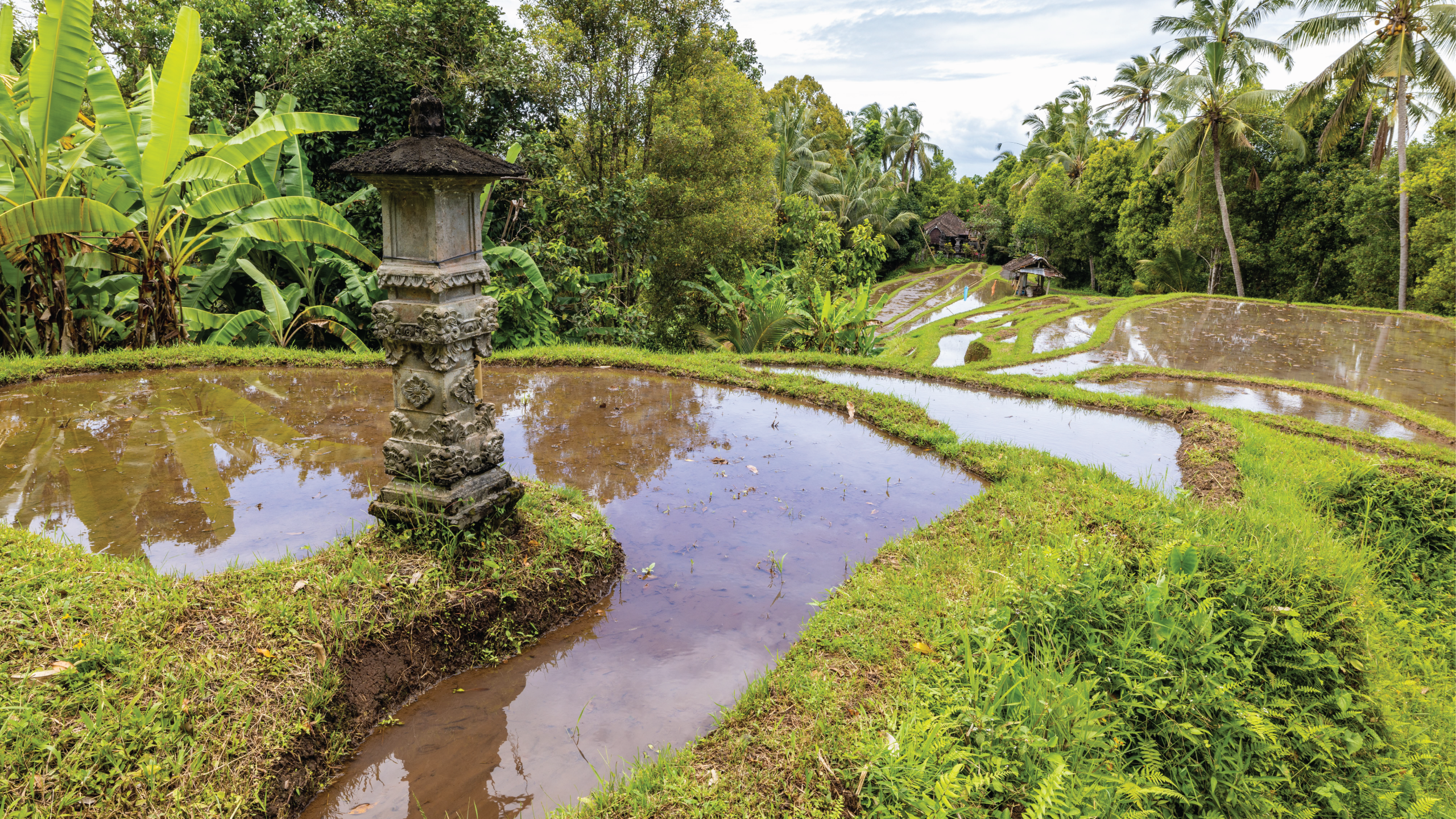
I want to say at the start that I am not going to spend the next four thousand words on Bali. Every Western foreigner who writes about Indonesia ends up writing about Bali. Every YouTube video, every Expat in Indonesia blog, every relocation consultancy site, every Substack about Southeast Asian retirement, all of it defaults to Bali within the first two paragraphs. Bali is the most heavily covered, most heavily marketed, and most expensively priced part of Indonesia. It is, in 2026, an international expat colony rather than a representative slice of the country. Canggu villa prices have reportedly doubled since pre-2024 levels. Bali now has the highest rent index of any non-Singapore city in Southeast Asia, according to Numbeo. The Bali story is well told elsewhere. I am not going to tell it again here.
What I want to look at instead is the question that the Bali coverage actively obscures. Is Indonesia, the actual country, the world’s fourth most populous nation with 280 million people spread across 17,000 islands and 38 provinces, a realistic option for a Western foreigner who wants to settle in Southeast Asia in 2026? Not the resort island that has become the easy answer. The country itself. The cities most Westerners have never been to. The communities where the day-to-day cost of living drops to a fraction of the Bali figure. The Indonesia that the rest of the world is not paying attention to.
This is the question that, when I started looking at it seriously, turned out to be much more interesting than the cliché version. So let me walk through what I found.
What Indonesia Actually Is And Why The Scale Matters
Indonesia is the fourth most populous country on earth. Two hundred and eighty million people. Larger than Brazil, larger than Pakistan, larger than Nigeria, larger than Russia. Only China, India, and the United States are bigger. The country runs along the equator for more than three thousand miles, from northern Sumatra in the west to West Papua in the east, encompassing more than seventeen thousand islands of which around six thousand are inhabited. It is the world’s largest archipelagic state and the largest Muslim-majority country.
For most Westerners, Indonesia is mentally a vague southeastern smudge somewhere between Thailand and Australia, dominated in imagination by Bali and almost nothing else. This is, I think, a serious misunderstanding of the scale of the country. The major Indonesian cities most Western foreigners have never heard of include Surabaya (the second city, with around three million people and a substantial industrial economy), Bandung (the third city, with two and a half million people and a cooler highland climate that has made it the long-standing weekend escape for Jakarta residents), Medan (Sumatra’s largest city with two and a half million people), Semarang (Central Java’s commercial hub with one and a half million people), Makassar (the largest city in Sulawesi), and Yogyakarta (the cultural heart of Java with the country’s most important universities and the residency of the last surviving traditional Sultanate). Each of these cities has its own economic structure, its own cultural character, its own expat community, and its own cost-of-living profile.
The economic story is also more interesting than the cliché suggests. Indonesia is the largest economy in Southeast Asia, surpassing Thailand by a meaningful margin. The country has consistently posted GDP growth rates above five per cent over the past decade. Jakarta has emerged as one of the major financial centres in the region, with a developed banking sector, a functioning stock exchange, and a growing tech ecosystem that has produced several billion-dollar companies including Gojek, Tokopedia, and Bukalapak. The country has a young population, with a median age of around thirty, in stark contrast to the demographic decline that is hollowing out Thailand, South Korea, and Japan. Indonesia is, in 2026, one of the few major economies in Asia that still has the demographic structure of a growing country rather than an ageing one.
This matters for the Western foreigner considering relocation, because it means the country he would be moving to is fundamentally different in trajectory from the country to its north. Indonesia is going up. The economy is growing. The population is young and expanding. The infrastructure is being built rather than maintained or repaired. The opportunity set for a Western foreigner with capital or skills is structurally different from the contracting opportunity set in Thailand.
The Cost Of Living In Indonesia Outside The Resort Island
This is where the conversation usually goes wrong, because the cost of living in Bali (the one place most articles focus on) is no longer a representative figure for the country. Bali in 2026 is roughly comparable in price to Bangkok or Kuala Lumpur for many categories of expat spending. The rest of Indonesia is significantly cheaper.
Let me give you the actual figures.
In Yogyakarta, the cultural capital of Java, a one-bedroom apartment in a comfortable central neighbourhood runs around two hundred and twenty US dollars per month. Meals in local restaurants are around one dollar fifty. A retired couple on a modest budget reports living a comfortable life in Yogyakarta for around fourteen hundred dollars per month combined, including housing, food, utilities, transport, and the occasional Western indulgence. A single expat in Yogyakarta lives well on six hundred to eight hundred dollars per month.
In Bandung, the third city, two and a half hours by train south of Jakarta in the highlands of West Java, a studio apartment averages around two thousand US dollars per year. A landed house with four or five bedrooms rents for around seven thousand dollars per year. The climate is cooler because of the elevation. The expat community is small but established, with international schools and Western-oriented restaurants in the older colonial quarter.
In Surabaya, the second city, a Western expat lives comfortably on around eight hundred to twelve hundred dollars per month. The city is the industrial and commercial centre of East Java, with a serious port, a functioning urban infrastructure, and a strong middle-class consumer base. International medical facilities operate at acceptable standards. The expat community is small but professional, oriented around the shipping and manufacturing sectors rather than the lifestyle expat scene that dominates the resort areas.
In Yogyakarta, in Solo (a smaller historic city in Central Java known for its courtly traditions), and in Malang (a mid-sized university town in East Java with a notable colonial heritage), a comfortable retirement is achievable on four hundred to eight hundred US dollars per month. That figure includes rent, utilities, food, transport, healthcare, and discretionary spending. It is, for a Western retiree with even a modest pension, structurally affordable in a way that is no longer achievable in most of the better-known expat destinations in Southeast Asia.
Jakarta itself is the most expensive Indonesian city for foreigners, primarily because it is where most of the international diplomatic, financial, and educational infrastructure is concentrated. A single expat in Jakarta budgets around one thousand to fifteen hundred US dollars per month for a comfortable urban lifestyle. A family budgets two thousand to three thousand. A one-bedroom apartment in central Jakarta runs four hundred to seven hundred dollars per month. Outside the CBD and the foreign-oriented districts (Kebayoran Baru, Menteng, Pondok Indah), prices drop substantially.
What this means in operational terms is that Indonesia outside the resort island is roughly comparable in cost-of-living terms to Vietnam, which I have written about before, and significantly cheaper than Thailand or Malaysia for most categories of expat spending. The Indonesian rupiah has been relatively stable against the major Western currencies for several years. The Indonesian inflation rate is low and managed. The country offers, for a Western foreigner with the right visa, a structurally cheap base in one of the largest economies in Asia.
The Indonesian Visa Architecture Is Complicated But Workable
Now to the part that, for most Western foreigners considering Indonesia, is the determining factor. The visa system. This is where Indonesia gets harder, and harder than Thailand or the Philippines or Malaysia, but it is also where the country has been changing substantially in the past three years in ways that most expat coverage has not caught up with.
The Indonesian visa system for long-term foreign residents currently runs on four main tracks.
The first is the Second Home Visa, introduced in late 2022 and refined through 2025. This is the most relevant new option for Western foreigners with reasonable means. It offers five-year or ten-year residency. It does not require business activity or employment. It does not require the applicant to be of retirement age. The qualifying threshold is a deposit of at least IDR 2 billion (approximately 130,000 US dollars) in an Indonesian bank account, or ownership of qualifying Indonesian real estate of approximately one million dollars in value. The visa allows the holder to live in Indonesia, sponsor family members, open bank accounts, and acquire certain forms of property. It does not grant the right to work in Indonesia. It is a long-stay residency for individuals of independent means. After three years of holding the Second Home Visa, the holder can apply for an ITAP, the Indonesian equivalent of permanent residency.
The second is the Retirement KITAS (officially the E33F visa), available to applicants aged 60 and over (raised from 55 in recent years). It requires proof of pension income of at least 3,000 US dollars per month, a lease agreement, health insurance, and engagement with a licensed retirement agent. The retirement KITAS is renewable annually for an initial period and can be extended to a five-year version (the Silver Hair Visa) for retirees who meet the minimum monthly pension threshold. Compared to the equivalent in Thailand, the Indonesian retirement visa has a higher income requirement but does not require a Thai-style 800,000-baht deposit.
The third is the Golden Visa, the high-net-worth investor route. Individual investors can secure a five-year stay by investing IDR 38 billion (approximately 2.5 million US dollars) in Indonesian government bonds, shares, or qualifying deposits, or a ten-year stay for IDR 76 billion. Corporate investors have similar but larger thresholds. The Golden Visa is the high end of the visa system, targeting genuinely wealthy individuals who want long-term Indonesian residency with the maximum flexibility.
The fourth is the various Investor KITAS and Work KITAS options, which require establishing a foreign-owned company (a PT PMA) with a minimum paid-up capital requirement of around 700,000 US dollars. This is the option for foreigners who want to operate a business in Indonesia rather than retire or hold investment passively. It is more demanding than the Thai equivalent but provides full work rights.
The Indonesian visa system, in operational terms, sits between the Thai and the Singaporean models. It is more demanding than Thailand’s 800,000-baht retirement visa. It is dramatically more accessible than Singapore’s Employment Pass framework. It is broadly comparable in difficulty to Malaysia’s MM2H programme. And critically, in 2026, the Indonesian system is moving in the direction of greater openness for qualifying foreigners, while the Thai system is moving in the direction of greater restriction. The trend lines are pointing opposite ways.
For a Western foreigner with retirement savings of $130,000 USD or higher, or with a monthly pension above $3,000, or with the willingness to establish a Second Home Visa banking relationship, Indonesia is, in 2026, a structurally accessible destination. The thresholds are real but not extraordinary. The bureaucracy is more complicated than Thailand’s but more legible than expat coverage usually suggests.
The Property Reality For Foreigners In Indonesia
Indonesian property law is the part of the system that most catches out the foreign investor, because the surface description is that foreigners cannot own land in Indonesia and the operational reality is that there are several legal pathways for foreigners to acquire and hold property that are widely used but not widely understood.
Indonesian law prevents foreigners from holding Hak Milik, the freehold land title, which is reserved for Indonesian citizens. However, there are four legal pathways foreigners can use to acquire and control property: leasehold (Hak Sewa) for 25-99 year periods; Right to Use (Hak Pakai) for foreigners with valid Indonesian residency permits, granting up to 80 years of use rights extendable in stages; Right to Build (Hak Guna Bangunan, HGB) through a foreign-owned company (PT PMA), granting 30-year building rights extendable to 80 years; and various forms of strata-title ownership for apartments and condominiums.
What this means in practice is that a Western foreigner can legally hold long-term controlled property in Indonesia, but the pathway is more complicated than in Thailand (where foreign condominium ownership is straightforward but land ownership is barred) or Malaysia (where freehold property purchase by foreigners is permitted subject to price thresholds). The Indonesian system gives the foreigner workable options but requires understanding which option fits which use case.
The honest warning is that the foreign property market in Indonesia has been the site of significant fraud and dispute. Nominee arrangements (using an Indonesian citizen to hold Hak Milik land on behalf of a foreigner) are routinely used but are legally unenforceable, and there are documented cases of Western foreigners losing substantial sums in such arrangements when the nominee relationship breaks down. In 2024, an Australian influencer was reported to have lost approximately 6.2 million US dollars in a fake land deal in Bali, leading to visa revocation. These cases are not isolated. The Indonesian property landscape for foreigners requires genuine legal advice, due diligence, and willingness to use the formal structures rather than informal workarounds.
For a Western foreigner who is willing to do the work, the property pathway is workable. For a Western foreigner who treats it casually or who relies on informal nominee arrangements, the property pathway is genuinely dangerous.
What Indonesia Has That The Other Options Do Not
Setting aside the resort island question, what does Indonesia offer that the more familiar Southeast Asian destinations do not?
First, scale and economic momentum. Indonesia is the largest economy in Southeast Asia and one of the fastest growing major economies in Asia. The country’s GDP per capita is rising. The middle class is expanding. The cities are being developed. For a Western foreigner with skills or capital, the opportunity set is structurally different from the stagnating economies to the north. This matters less for a pure retirement decision but matters substantially for any foreigner contemplating starting a business, taking on consulting work, or investing actively rather than passively.
Second, cultural depth. Indonesia is not a single cultural unit. The Javanese cultural tradition, centred on Yogyakarta and Solo, is one of the oldest and most sophisticated court cultures in Southeast Asia, with classical music (gamelan), classical dance (wayang), classical literature (the Kakawin poems), traditional architecture (the joglo houses), and continuous practice of these traditions in the present day. The Sumatran cultural traditions (Minangkabau in the highlands of West Sumatra, Batak around Lake Toba, Acehnese on the northern tip) are entirely distinct from the Javanese and from each other. The Sulawesi traditions (the Bugis maritime culture, the Toraja highland culture with its remarkable funerary architecture) are separate again. For a Western foreigner who has spent years in the more uniformly Thai cultural environment, Indonesia offers genuine cultural diversity that goes substantially deeper than the surface tourist experience suggests.
Third, food. Indonesian cuisine is, in my honest opinion, underrated globally. The padang cuisine of West Sumatra. The Javanese cuisine of Central and East Java. The Sundanese cuisine of West Java. The seafood traditions of the Sulawesi coastal cities. The Manado cuisine of North Sulawesi. The Acehnese cuisine of the north of Sumatra. The food is varied, regionally distinct, and dramatically underrepresented in international restaurant culture compared to its Thai or Vietnamese equivalents. Living in Indonesia gives a Western foreigner access to a culinary tradition that even most long-term Southeast Asian expats have barely scratched the surface of.
Fourth, the demographic profile of the country. Indonesia is young. The country has a population pyramid that still looks like a pyramid, with a substantial base of working-age and youth population supporting a relatively smaller older cohort. This is the opposite of Thailand’s inverted demographic profile. For a Western foreigner considering twenty or twenty-five years of residency, the demographic structure of the host country matters substantially. Indonesia’s economy and consumer base will continue to expand for the next generation. Thailand’s will continue to contract.
What Indonesia Does Not Have That Western Expats Often Want
I want to be honest about the things Indonesia does not have, because they matter.
The English-language environment is weaker than Thailand or Malaysia. Outside Jakarta, Bali, and a handful of expat-heavy enclaves, day-to-day life in Indonesia requires either functional Indonesian (which is not particularly difficult to learn but does require effort) or a willingness to operate in a substantially non-English environment. The expat infrastructure (English-language clinics, English-speaking schools, English-language administrative services) is thinner outside the major cities. For a Western foreigner who wants to retire into a community that operates substantially in English by default, Indonesia is more demanding than the alternatives.
The healthcare system, while improving rapidly, is not yet at Thai standards in most regions. Jakarta has international-standard hospitals (Siloam, Pondok Indah, RSPI) and Surabaya has reasonable equivalents. But outside the major cities, healthcare access drops substantially, and for serious medical conditions most expats budget for medical evacuation to Singapore or Bangkok. International health insurance is essentially compulsory for any long-term Western resident.
The infrastructure outside the major cities is patchier. Road quality varies. Electricity supply has occasional outages. Internet quality is good in the cities and variable in the smaller towns. Water supply is generally reliable in urban areas but requires the standard expat caveats. These are not deal-breakers but they are real and they matter for daily life.
The political and regulatory environment is more variable than Thailand’s. Indonesian regulations change. The visa categories I have described have been refined three times in the past five years. The property rules have undergone significant procedural changes under PP 28/2025. The investment rules have shifted under various omnibus laws. A Western foreigner moving to Indonesia in 2026 is moving to a country whose rules are actively evolving, which is both an opportunity and a risk.
Alcohol is expensive due to high import taxes. Wine, spirits, and imported beer cost one and a half to three times Western prices. For a Western foreigner whose lifestyle involves regular wine or imported spirits, the daily cost-of-living figure rises substantially above the headline numbers I quoted earlier. Local alternatives exist (arak-based spirits, local gin brands) but are not equivalent products.
The cultural environment is, in most of Indonesia, more conservative than the cultural environment of Thailand or the Philippines. The country is Muslim-majority and many of the regional cultural traditions are more socially conservative than the more permissive cultures of Buddhist Southeast Asia. For a Western foreigner whose lifestyle would clash with that conservatism, the practical experience of daily life in many parts of Indonesia is more constrained than the equivalent in Thailand.
So Is Indonesia A Realistic Option
The honest answer is that Indonesia is a realistic option for a specific kind of Western expat. Not for everyone.
For a Western retiree with monthly pension income above $3,000 USD, or with savings above $130,000 USD, or with the willingness to engage with the Second Home Visa framework, Indonesia is structurally accessible. The cost of living outside the heavily-marketed island most expats focus on is dramatically lower than the alternatives. The country offers cultural depth, food, and a young expanding economy that the more familiar Southeast Asian destinations cannot match. The visa system is more demanding than Thailand’s but is moving in the direction of greater openness rather than greater restriction.
For a Western foreigner whose retirement budget is below $130,000 in savings and whose monthly income is below the retirement visa threshold, Indonesia is harder than Thailand or the Philippines. The visa pathways for the lower-budget retirement profile are less developed in Indonesia than in the alternatives. The country has not built its long-stay infrastructure around the modest-budget Western retiree in the way Thailand did in the 1990s and 2000s.
For a Western foreigner who wants the convenience of an English-language operating environment, the developed expat infrastructure, the easy access to imported Western consumer goods, and the relaxed social environment of more permissive Southeast Asian destinations, Indonesia is more challenging. The country is bigger, more culturally Indonesian, and less designed for the lifestyle expat than its neighbours.
For a Western foreigner who is actually interested in Indonesia the country, who wants to spend time in Yogyakarta or Bandung or Surabaya rather than the heavily-marketed island most articles focus on, who wants access to a young expanding economy and a deep cultural tradition rather than a slick processed expat experience, who is willing to learn some Indonesian and engage with the country on its own terms, Indonesia is one of the most interesting options in Southeast Asia in 2026. Not the easiest. Not the cheapest at the absolute bottom of the budget range. But the country with the most upward trajectory, the most cultural depth, and the most genuine opportunity for a Western foreigner who has done the work to understand it.
The answer to “is Indonesia a realistic option for Western expats” is yes, but only for the Western expats who are prepared to look past the easy answer and actually engage with the country.
Frequently Asked Questions
Why does this article deliberately avoid focusing on Bali?
Because Bali, while it sits within Indonesia, is no longer representative of what Indonesia is or what it costs to live there. Bali has been progressively turned into an international expat colony with its own price level, its own visa enforcement patterns, and its own political weather distinct from the rest of the country. Canggu villa prices have reportedly doubled since pre-2024, and Bali now has the highest rent index of any non-Singapore city in Southeast Asia per Numbeo data. The Bali story is the one every Western foreigner already knows. The article focuses on the rest of Indonesia, which is where the genuine answer to the “realistic option” question actually lives.
What is the Second Home Visa in Indonesia?
Introduced in late 2022 and refined through 2025, the Second Home Visa offers five-year or ten-year Indonesian residency to foreigners who deposit at least IDR 2 billion (approximately $130,000 USD) in an Indonesian bank or own qualifying Indonesian real estate of approximately $1 million in value. The visa does not grant work rights but allows long-term residency for retirement, investment, study, or family reasons. After three years on the Second Home Visa, the holder can apply for ITAP, the Indonesian permanent residency equivalent.
What is the Indonesian Retirement KITAS?
The E33F retirement visa available to foreigners aged 60 and over (raised from 55 in recent regulatory changes). Requires proof of monthly pension income of at least $3,000 USD, a lease agreement on Indonesian property, health insurance, and engagement with a licensed retirement agent. The retirement KITAS is renewable annually for an initial period and can be extended to a five-year version known as the Silver Hair Visa. The Indonesian retirement visa has a higher income requirement than the Thai equivalent but does not require a Thai-style 800,000-baht deposit.
How much does it cost to live in Indonesia outside Bali?
Significantly less than Bali or the more familiar Southeast Asian expat destinations. In Yogyakarta, a one-bedroom apartment in a central neighbourhood costs around $220 USD per month. Meals in local restaurants cost around $1.50. A single expat in Yogyakarta lives comfortably on $600-800 per month. A retired couple lives well on $1,400 per month combined. In Bandung, a studio apartment averages around $2,000 per year and a landed house with four to five bedrooms rents for around $7,000 per year. In Solo, Malang, and other mid-sized Java cities, a comfortable retirement is achievable on $400-800 per month including all expenses. Jakarta is the most expensive Indonesian city, with single expats budgeting $1,000-1,500 per month.
Can foreigners own property in Indonesia?
Foreigners cannot hold Hak Milik (freehold title), which is reserved for Indonesian citizens. However, there are four legal pathways for foreigners to acquire and control property: leasehold (Hak Sewa) for 25-99 years; Right to Use (Hak Pakai) for foreigners with Indonesian residency permits, granting up to 80 years of use rights; Right to Build (Hak Guna Bangunan or HGB) through a foreign-owned company (PT PMA), granting 30-year building rights extendable to 80 years; and various strata-title ownership options for apartments. The Indonesian property pathway for foreigners is workable but more complicated than the Thai or Malaysian equivalents, and nominee arrangements (using an Indonesian citizen to hold land on behalf of a foreigner) are legally unenforceable and have led to significant fraud cases.
Which Indonesian cities are best for Western expats?
This depends entirely on what the foreigner wants. Jakarta offers the most developed expat infrastructure, the best healthcare, the largest expat community, and the highest costs. Surabaya offers a more affordable urban environment with reasonable infrastructure and a small professional expat community oriented around shipping and manufacturing. Bandung offers a cooler highland climate, colonial-era architecture, and a quieter pace at lower cost than Jakarta. Yogyakarta is the cultural capital of Java, ideal for retirees who value cultural depth, with the lowest cost of living of the major cities and a small but established expat community. Medan is the largest city in Sumatra. Each city has a fundamentally different character. The Bali default that dominates most expat coverage obscures these alternatives.
Is Indonesia safer than Thailand or the Philippines for Western expats?
Indonesia ranks reasonably on international safety metrics but is not at Singapore or Malaysian levels. Most incidents involving foreigners are opportunistic crimes such as pickpocketing, motorbike theft, scams, or petty theft rather than serious violence. The country has occasional political volatility, and certain regions (notably parts of Papua and historically Aceh) have had security issues that remain relevant for travellers. For the major Java cities and the main expat-friendly destinations, day-to-day safety is comparable to or slightly better than the equivalent Thai or Philippine cities. The Western foreigner who exercises normal urban caution has very few problems.
How good is the Indonesian healthcare system for expats?
Jakarta has international-standard private hospitals (Siloam, Pondok Indah, RSPI Sulianti Saroso, and similar) with English-speaking medical staff and partnerships with international insurance providers. Surabaya and other major cities have reasonable private hospital networks. Outside the major cities, healthcare access drops substantially, and serious medical conditions typically require evacuation to Singapore or Bangkok. International health insurance is essentially compulsory for any long-term Western resident, with annual premiums of $500-1,500 per person for comprehensive coverage. The Indonesian healthcare system is not yet at Thai standards but is improving rapidly.
What are the downsides of Indonesia for Western expats?
Several. The English-language environment is weaker than Thailand or Malaysia outside the main expat enclaves. The healthcare system is not yet at Thai standards in most regions. The infrastructure outside major cities is patchier. The regulatory environment is more variable, with visa and property rules undergoing significant changes in recent years. Alcohol is expensive due to high import taxes (1.5-3x Western prices for imported wine, spirits, and beer). The cultural environment is more conservative than Thailand or the Philippines in many regions. The country is Muslim-majority and many regional cultural traditions are socially conservative. The expat infrastructure (international schools, English-speaking services, Western consumer goods) is thinner outside Jakarta and the resort areas.
Is Indonesia a realistic option for Western retirees in 2026?
Yes, but only for specific profiles of Western retiree. For a retiree with monthly pension income above $3,000 USD or savings above $130,000 USD, Indonesia is structurally accessible through the retirement KITAS or Second Home Visa pathways. The cost of living outside Bali is dramatically lower than Thailand or Malaysia. The country offers genuine cultural depth and a young expanding economy. For retirees with smaller budgets who would qualify for the Thai or Philippine pathways, Indonesia is harder because the long-stay visa system is built around higher financial thresholds. For retirees who value English-language convenience and developed expat infrastructure, Indonesia is more challenging than the alternatives. The honest answer is yes for the right profile, no for the lifestyle retiree who wants the easiest possible operating environment.
Sources
- CPT Corporate — Second Home Visa Indonesia 2025 Deposit Property Rules and Who Qualifies, published October 2025, the practical legal documentation confirming that Indonesia introduced the Second Home Visa in 2022 and by 2025 it has become one of the most-talked-about residency options for long-term foreigners. The visa offers five- or ten-year stays without the need to establish a business or retire officially, with the primary qualifying requirement being a deposit of at least IDR 2 billion (approximately USD 130,000) in an Indonesian bank or qualifying real estate ownership
https://www.cptcorporate.com/second-home-visa-indonesia-2025-deposit-property-rules-and-who-qualifies-for-long-stay-residency - Immigrant Invest — Indonesia Second Home Visa Program 2026 Requirements and Cost, published March 2026, the documentation confirming the Second Home Visa is designed for investors, tourists, and retirees and does not grant the right to work in the country. Investors get a visa for either 5 or 10 years, and after living in the country for 3 years individuals can replace the visa with an ITAP, the Indonesian equivalent of permanent residency
https://immigrantinvest.com/indonesia-second-home-visa/ - InCorp Indonesia — Navigating KITAS Indonesia in 2025 A Complete Overview, the legal services firm’s comprehensive 2025 documentation confirming the four main KITAS categories (Work KITAS, Family KITAS, Investor KITAS, Retirement KITAS) and the latest visa categories including the Golden Visa requiring IDR 38 billion investment for 5-year stay or IDR 76 billion for 10 years, with smaller-scale individual investments of IDR 5.3 billion and IDR 10.6 billion through bonds, shares, or savings also accepted for five and 10-year stays
https://indonesia.incorp.asia/blogs/kitas-indonesia-overview/ - Lets Move Indonesia — Retirement Visa KITAS E33F, the official documentation confirming that as of 22 August 2023 the Ministry of Immigration Indonesia released a new regulation allowing expatriates seeking to retire in Indonesia to obtain temporary residence permit, with the five-year scheme known as the Silver Hair Visa available for retirees aged 55+ (since raised to 60+) who can provide proof of monthly pension fund of at least USD 3,000 (USD 36,000 annually). Retirees must engage with a sponsor that acts as their guarantor
https://www.letsmoveindonesia.com/indonesia-retirement-visa/ - Lets Move Indonesia — The Second Home Visa KITAS E33, the documentation confirming the Second Home Visa was designed to attract wealthy foreigners and foreign retirees to stay in Indonesia for an extended period, providing a permit that allows foreigners to stay for up to 10 years depending on specific conditions. The visa allows holders to sponsor immediate family members including spouses, children, and parents to apply for the Second Home Family Visa ITAS
https://www.letsmoveindonesia.com/the-second-home-visa-kitas/ - Bali Business Consulting — 5-Year Second Home Visa to Indonesia, the comprehensive documentation confirming the primary requirement of demonstrating proof of funds either through an Indonesian bank account owned by a foreigner with a minimum balance of USD 130,000 or through ownership of luxury real estate in Indonesia valued at least USD 1,000,000, with the right to stay in the country for up to 5 years and engage in various non-work-related activities such as investing, tourism visits, and retirement
https://balibusinessconsulting.com/services/second-home-visa/ - Asia Lifestyle Magazine — Indonesian KITAS Visa Explained Types Requirements Cost And KITAS Vs KITAP, published November 2025, the comprehensive Q3 2025 documentation confirming that Indonesia continues to welcome tens of thousands of foreign residents annually via the KITAS (Limited Stay Permit), with Bali and Jakarta leading inflows. The piece confirms the Retirement KITAS (C319) available to applicants aged 55+ with proof of funds, local accommodation, and health insurance arranged via a licensed retirement agent, and that the spouse, retirement, and student KITAS categories prohibit paid work
https://www.asialifestylemagazine.com/indonesian-kitas-visa-explained-overview/ - AJ Consultants — Second Home Visa (KITAS) Index E33, the documentation confirming the various Second Home Visa (KITAS) program categories designed for different expatriate needs including retirees, remote workers, esteemed experts, and investors. The piece confirms the minimum eligibility age for retirement KITAS has been changed to 60 years by the Indonesian government, raised from the previous 55-year threshold
https://ajconsultants.net/second-home-visa-kitas-index-e33/ - Wahdah — What is KITAS in Indonesia The Clear 2026 Guide for Expats, the 2026 expat guide confirming the operational flow of Indonesian residency: apply for VITAS, enter Indonesia, convert to ITAS stamp, receive KITAS card. The piece confirms the main KITAS types in 2026 include Work KITAS (sponsored by PT/PT PMA with RPTKA work permit), Investor KITAS (sponsored by own PT PMA, more streamlined process), Family KITAS, and Retirement KITAS
https://www.wahdah.id/blog/what-is-kitas-in-indonesia-the-clear-2025-guide-for-expats - LMI Consultancy — Indonesia Second Home Visa KITAS E33, the consultancy documentation confirming that Second Home Visa holders can live in Indonesia for an extended period (up to 10 years), own and lease property in accordance with local regulations, open bank accounts and access financial services, enjoy multiple entries and exits from Indonesia during validity, enrol in non-formal education programs, and sponsor other individuals for visas (e.g., dependants or employees), but cannot engage in any form of local employment without proper permits
https://www.lmiconsultancy.com/indonesia/second-home-visa/ - DDA Real Estate — How Foreigners Can Own Property in Bali Understanding PT PMA 2025, the comprehensive 2025 legal guide confirming that Indonesia’s property laws prevent foreigners from owning freehold land (Hak Milik), with the legal pathways available to foreigners being Hak Sewa (Leasehold) for 25-99 years, Hak Pakai (Right to Use) for residency permit holders, Hak Guna Bangunan (HGB) Right to Build through PT PMA, and full property control through PT PMA foreign-owned company structure
https://www.dda-realestate.com/posts/how-foreigners-can-own-property-in-bali-understanding-pt-pma-2025 - Bukit Vista — Foreign Property Investment Bali Legal Guide for Buyers, published June 2025, the legal guide confirming that foreign-owned PT PMA companies may acquire HGB titles granting 30-year building rights extendable to 80 years, that this structure converts freehold land to HGB while preserving resale value, and that for foreigners with Indonesian residence permits (KITAS, KITAP, or Second Home Visa) individual property investment ownership is possible through Hak Pakai titles with an initial period of 30 years extendable to 80 years total
https://www.bukitvista.com/blog/property-investment-regulation-2025 - ORA Properties — Can Foreigners Buy Property in Indonesia 2025 Guide, published August 2025, the comprehensive guide confirming the minimum property values for foreigners (Jakarta USD 195,000-650,000 depending on location, Bali minimum thresholds varying by district), the paid-up capital requirement for PT PMA of IDR 10 billion (approximately USD 700,000), the foreign property fraud risks including fake lease agreements and unenforceable nominee arrangements, and the high-profile 2024 case in which an Australian influencer lost USD 6.2 million in a fake land deal in Bali leading to visa revocation
https://ora.properties/can-foreigners-buy-property-in-indonesia/ - Bali Property Rules — New 2025 Rules for Foreigners Buying Property in Bali PP 28, published March 2026, the documentation of PP 28/2025 (Peraturan Pemerintah No. 28 Tahun 2025), the Indonesian Government Regulation that overhauls risk-based business licensing across multiple sectors including property, with the reform being procedural rather than substantive. Hak Pakai duration (80 years), residency requirements, and freehold restrictions remain unchanged under PP 28/2025
https://balipropertyrules.com/guides/pp-28-2025-foreign-property-bali/ - Villa Bali Sale — Bali Land Ownership for Foreigners 2025 Guide, the comprehensive ownership documentation confirming the advantages of Hak Pakai (being a stronger registered individual right compared to leasehold, transferable to other eligible foreigners, can be sold back to Indonesian citizens, can be inherited) and the downsides (necessity of a residency permit, strict limitations on use for personal residence, minimum property value requirement, one-property limit). For substantial investments, particularly commercial ventures or property development, establishing a PT PMA is the primary route
https://www.villabalisale.com/blog/can-foreigners-own-land-bali-legal - Sumba Sunset Cliff — Can Foreigners Own Land in Indonesia 2025 Legal Guide, published June 2025, the practical guide confirming that one of the most overlooked elements in buying land in Indonesia is zoning, that local government regulations determine what kind of activity is permitted on a piece of land, and that in 2024 over 40 villas in Bingin (Bali) were demolished due to violations of zoning and permit regulations. The piece confirms that responsible development requires pre-zoned land certified for HGB with guidance to ensure all building and business activities align with local law
https://sumbasunsetcliff.com/post/foreign-ownership-indonesia-land-guide - Indonesia Visas — 15 Best Places to Retire in Indonesia Complete 2025 Guide, the 2025 retirement destination analysis confirming that living costs vary dramatically across Indonesian cities, with Bali and Jakarta being the most expensive at USD 800-1,500 monthly, while cities like Yogyakarta, Solo, and Malang offer comfortable retirement for USD 400-800 per month, and mid-tier cities like Bandung and Surabaya fall in the USD 600-1,200 range. The piece confirms Indonesia’s healthcare system offers a mix of public and private facilities with international-standard private hospitals in major cities
https://indonesiavisas.id/retirement-in-indonesia/15-best-places-to-retire-in-indonesia/ - Rumah123 — Living in Indonesia as a Retiree A Practical Guide, published November 2025, the comprehensive retiree-focused guide confirming that according to expat guides retirees can live on a budget of US$1,500-2,500 per month depending on lifestyle comfort, that under the standard Retirement KITAS (E33F) regulations employing Indonesian staff is a legal requirement, and that long-term rentals in popular retirement areas like Yogyakarta are generally cheaper than in big Western cities, especially outside tourist zones
https://www.rumah123.com/en/property-guide/living-in-indonesia-as-a-retiree/ - International Citizens — Cost of Living in Indonesia 2026 Guide for Expats, the cost-of-living analysis confirming that Yogyakarta on the island of Java is renowned for its rich cultural heritage and traditional art, with one-bedroom apartments costing around USD 220 a month and meals as little as USD 1.50, that the city has fewer expats than Jakarta but its international community is steadily growing, and that some of Indonesia’s top universities (Gadjah Mada University and Yogyakarta State University) are located there
https://www.internationalcitizens.com/living-abroad/costs/indonesia/ - InterExpat Singapore — Cost of Living in Indonesia, the comprehensive cost analysis confirming that Indonesia consistently ranks as one of the most affordable countries in Southeast Asia for expatriates, that a single expat in Jakarta can live comfortably on USD 1,000-1,500 per month while couples or families may need between USD 2,000-3,000, that a one-bedroom apartment in Jakarta’s city center may cost USD 400-700 per month while a similar place in Yogyakarta or Bandung could be under USD 300
https://www.interexpat.sg/indonesia/cost-of-living-in-indonesia - ExpatDen — My Cost of Living in Indonesia as an Expat Per Month in 2025, published July 2025, the practical expat cost-of-living documentation confirming that popular expat cities beyond Jakarta include Bandung, Yogyakarta (Jogja), Semarang, Surabaya, and Medan in Sumatra. A studio apartment in Bandung costs around USD 2,000 per annum and a large landed house with 4-5 bedrooms can be rented for around USD 7,000 per annum, while in Yogyakarta a 4-bedroom landed house can be rented for upwards of USD 5,000 per year
https://www.expatden.com/indonesia/cost-of-living-in-indonesia/ - Expat Focus — Indonesia Cost of Living, published March 2026, the comprehensive cost analysis confirming that it is entirely possible to live comfortably on USD 1,000 a month in Indonesia covering housing, food, transportation, and leisure activities, most realistically outside major city centres and tourist areas in cities like Yogyakarta. Jakarta sits at the higher end of the Indonesian cost spectrum due to traffic, international schools, and expat-oriented services
https://www.expatfocus.com/indonesia/guide/indonesia-cost-of-living - William Russell — The Cost of Living in Indonesia for Expats, the insurance and relocation specialist’s comprehensive cost analysis confirming that expats in Indonesia can enjoy a relatively low cost of living not only compared to Western countries but even to many other countries in Southeast Asia. Jakarta has the most developed public transport network in Indonesia, offering buses, commuter trains, and the recently inaugurated MRT system providing reliable travel across the city for as little as USD 0.30 a trip
https://www.william-russell.com/blog/the-cost-of-living-in-indonesia-for-expats/ - Expat Arrivals — Cost of Living in Indonesia, the practical cost-of-living guide confirming that venturing outside Jakarta accommodation costs take a nosedive, that cities like Surabaya and Bandung present more affordable options, and in smaller towns or villages even cheaper options are available, with landlords in Indonesia commonly requiring a full year’s rent paid upfront
https://www.expatarrivals.com/asia-pacific/indonesia/cost-living-indonesia - Rumah123 — Ultimate Guide to Retirement in Indonesia for Foreigners, published November 2025, the practical retirement guide confirming Yogyakarta as the cultural capital of Java perfect for retirees who value culture, Jakarta as the urban lifestyle choice with all modern amenities and top-notch medical facilities, Bandung as the Paris of Java with cooler climate due to elevation and colonial architecture, and Surabaya as Indonesia’s second-largest city offering a blend of modernity and tradition with less crowded urban experience than Jakarta
https://www.rumah123.com/en/property-guide/retirement-in-indonesia-for-foreigners/ - Live and Invest Overseas — Bali Indonesia Cost of Living Weather and Lifestyle in 2026, published April 2026, the international retirement publication confirming that expats can live comfortably in Indonesia on as little as USD 1,500 per month enjoying a warm and welcoming lifestyle. The piece confirms Sanur in Bali as a quieter family-friendly option and details the broader Indonesian context as a retirement destination, while also serving as a reference point for the cost figures cited in the article
https://www.liveandinvestoverseas.com/country-hub/indonesia/bali/ - The Thaiger — Has Thailand Lost Its Edge Comparing Expat Life Across Southeast Asia, published February 2026, the regional comparison analysis confirming Bali villa prices in Canggu have reportedly doubled since pre-2024 giving Bali the highest rent index (32.2) of any non-Singapore city in Southeast Asia according to Numbeo, that Indonesia’s Second Home visa provides 5 to 10 years requiring a USD 130,000 deposit or property purchase, and that Thailand limited visa runs to two per calendar year in November 2025 ending the visa-run lifestyle that had sustained many expats for decades
https://thethaiger.com/travel/thailand-travel/has-thailand-lost-its-edge-comparing-expat-life-across-southeast-asia - Bali.com — Cost of Living in Bali 2026 Monthly Budgets and Real Costs, the published cost analysis confirming that Indonesia applies high import taxes on alcohol, with wine, spirits, and imported beer costing 1.5-3 times more than in Western countries, and that local alternatives including Arak-based spirits and local gin brands cost considerably less. The piece is referenced for the alcohol-cost data point that materially affects Western expat budgeting in Indonesia
https://bali.com/guide-to-moving-and-living-in-bali/cost-of-living-in-bali/ - Indonesia Investment Coordinating Board (BKPM) — PT PMA Foreign Direct Investment Framework, the official Indonesian government documentation for the Perseroan Terbatas Penanaman Modal Asing (PT PMA) foreign-capital investment company structure that is the primary legal vehicle for foreign property ownership through HGB title and for foreign-owned business operations in Indonesia. The framework requires minimum paid-up capital of IDR 10 billion (approximately USD 700,000) and compliance with annual reporting and tax obligations
https://www.bkpm.go.id/ - Wikipedia — Demographics of Indonesia, the comprehensive demographic documentation confirming Indonesia as the world’s fourth most populous country with approximately 280 million people across more than 17,000 islands (around 6,000 inhabited) and 38 provinces, the world’s largest archipelagic state, the largest Muslim-majority country, with a median age of around 30 in stark contrast to the demographic decline affecting much of East Asia. The country’s young demographic profile is the foundation of its continued economic expansion
https://en.wikipedia.org/wiki/Demographics_of_Indonesia - World Bank — Indonesia Economic Indicators, the official international development institution data confirming Indonesia as the largest economy in Southeast Asia, with sustained GDP growth above 5 per cent for most of the past decade and a young expanding population that places the country in a fundamentally different economic trajectory from the contracting economies to its north. The Indonesian rupiah has been relatively stable against the major Western currencies and inflation has been managed within target bands
https://data.worldbank.org/country/indonesia