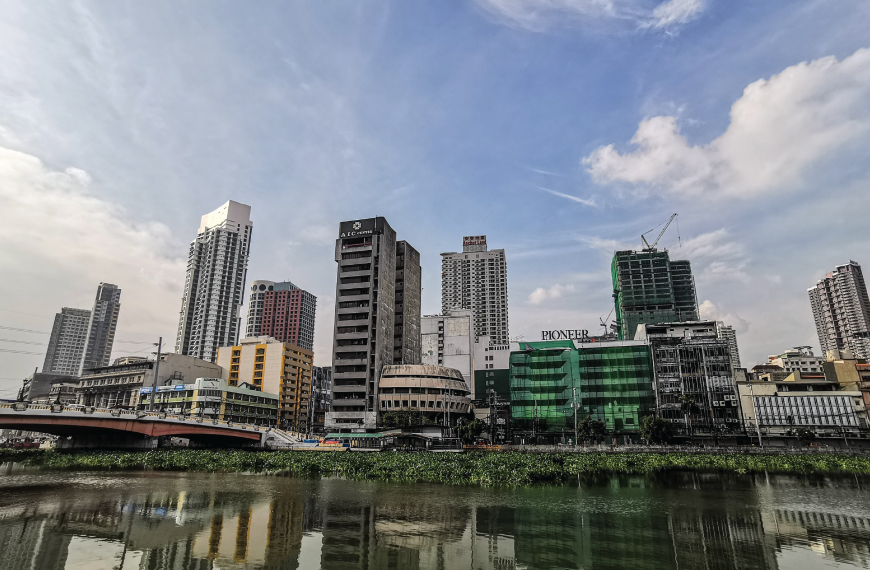
The Question That Should Come Before You Buy
Almost every Western foreigner who has bought a Manila condominium in the last decade will tell you a version of the same story. The unit looked like a good deal. Agents pushed hard. A specific completion date appeared in writing. The developer would handle the paperwork, all in writing. The title would arrive shortly after the last payment, again in writing. None of the presentation suggested a trap. Not the brochure. Nor the walk-through of the show unit.
Specifically, this design is why the trap works. The mechanism is not obvious. Nothing about it is disclosed. And it does not appear on the marketing materials, or in the initial conversations with the agent. And by the time the Western foreign buyer realises what he has walked into, the deposit is gone, the years of monthly installments have flowed into the developer’s operating account, and the practical options for getting his money back have narrowed to nothing.
I have covered the sales mechanism in a previous piece. That story covered the Filipina agent outside Shake Shack, the eleven million peso brochure for a thirty three square meter unit, and the regional pricing comparison that makes Metro Manila premium districts look expensive relative to Bangkok, Kuala Lumpur, and Phnom Penh even before you account for the legal exposure. So this article is not about the sales pitch. Rather, this article is about what happens after the sales pitch. Past the transaction. Into the legal and financial machinery that grips the Western foreign buyer once he has signed. Because once you understand how the trap actually works, the property market in the Philippines becomes something you would never voluntarily walk into.
The Pre-Selling Model That Structures Everything
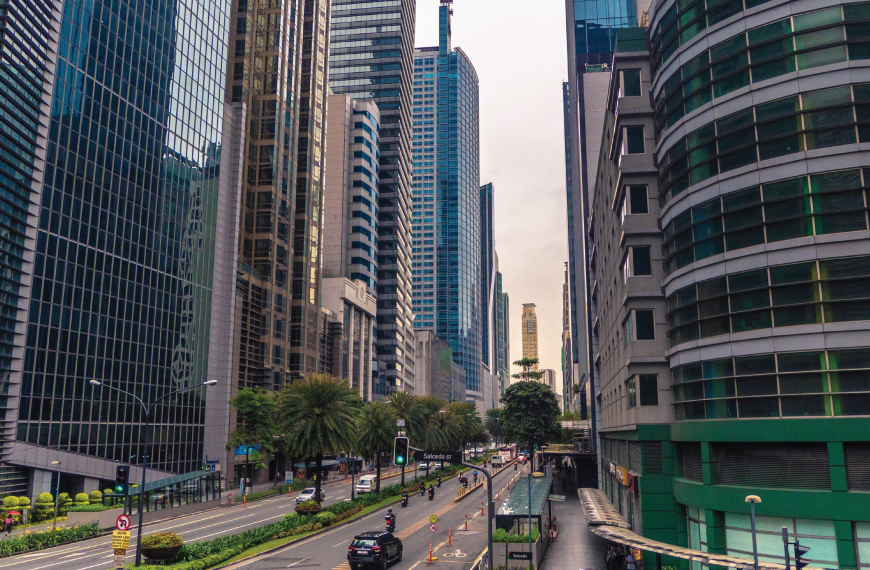
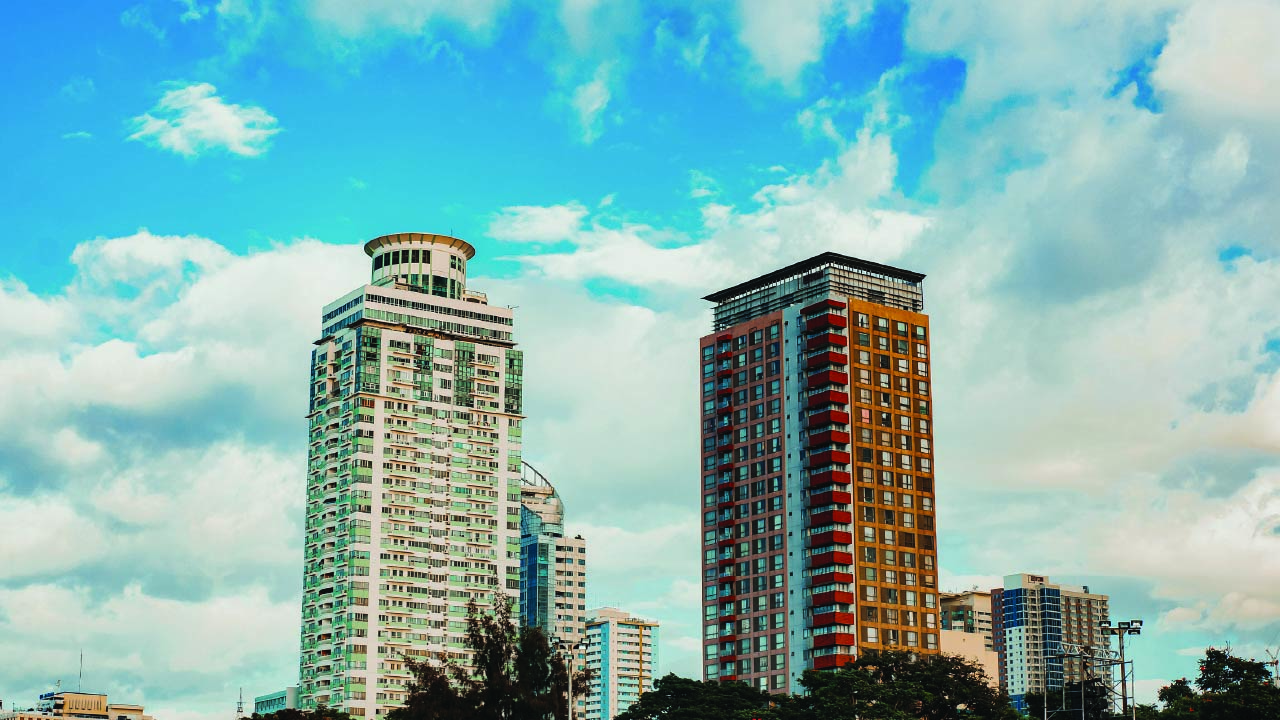
Specifically, a very substantial share of the units being sold in Manila premium districts (Bonifacio Global City, Makati Central Business District, Ortigas, Rockwell, Ayala Avenue) is being sold off-plan. That is the industry standard for the premium end of the Philippine condominium market. The tower does not exist yet at the point of signing the contract. You are looking at a scale model. Renderings on the wall. And you are being told the building will be finished in three years, five years, sometimes seven years. And you are being asked to start paying now.
Notably, the standard structure works like this. You put down a reservation fee to hold the unit, typically in the tens of thousands of pesos. Then you sign a Contract to Sell, not a deed of absolute sale. Monthly installments start during the pre-construction period, typically covering twenty to thirty per cent of the total price spread across the construction window. When the tower is finished, if it is finished on time, you either pay the outstanding balance in cash or take out a bank loan to cover it. Only after that final payment does the developer begin processing the actual title transfer at the Registry of Deeds.
Ultimately, the Western foreign buyer who signs a Contract to Sell in 2026 for a tower breaking ground in 2027 is committing money for a legal ownership transfer that will not happen until sometime after 2030 at the earliest. During that entire period, he owns nothing except a contract right against a corporate developer whose financial position he cannot verify from the outside.
Where the Money Goes While You Wait
Now let me be specific about what happens to the money during those years of pre-construction, because this is the first place the trap becomes real. The Department of Human Settlements and Urban Development does require escrow arrangements for certain project categories under Memorandum Circular 22-10, specifically for mid-rise and high-rise condominium projects, where a portion of buyer funds is meant to be held in trust for taxes and registration. Honestly, escrow protection exists on paper. But escrow does not cover all buyer payments, and enforcement runs patchy across projects.
Specifically, a meaningful share of the money you have paid during the pre-construction period often flows into the developer’s general operating account, not into a segregated buyer trust. So the developer is using your money to fund construction on other towers. He is paying his sales commissions with your money. He is servicing his existing debt with your money. Notably, none of this is disclosed to you at the time you sign the contract, because the sales agent has no incentive to disclose it and the regulatory framework does not require it.
What Happens if the Developer Becomes Insolvent
Ultimately, what this means practically is that if the developer runs into financial trouble, the money you have paid does not sit in a segregated account waiting for you to reclaim it. The developer has spent it on his other operations. The developer’s other creditors, particularly the banks that hold his construction loans, will typically be ahead of you in any liquidation queue. So the Western foreign buyer who has committed a 20 per cent deposit and three years of monthly installments on a Manila condo may find, if the developer becomes insolvent, that he is an unsecured creditor for the money he has paid and has no ownership of the unit he was buying, because the tower is unfinished and no title has ever entered the registry under his name.
The Turnover-to-Title Gap That Traps You in Place
Now for the part even the most experienced Philippine property buyers do not fully understand. Specifically, the turnover is the moment you receive the keys and can start using the unit. The title transfer is a separate moment. That is the moment the Condominium Certificate of Title, the CCT, is actually issued in your name at the Registry of Deeds. In the Philippines, these two events sit apart by a period that even under efficient developer processing runs to months.
Notably, according to Philippine legal practice sources, the 90 to 120 day benchmark for Metro Manila projects is what a competent developer should be able to hit. In reality, what buyers routinely experience runs longer than that. Multi-year delays between turnover and title issuance are common enough that Philippine law firms have specialised practices helping buyers file demand letters and complaints to compel developer performance on title release. Honestly, if this were a rare edge case, no such legal practice would exist. It exists because the problem is systemic.
What You Cannot Do When You Do Not Yet Own the Title
Specifically, during the gap between turnover and title issuance, whether that gap is six months or five years, you are living in the unit. You are paying association dues. You are paying real property tax if the developer bills you for it. The building, the community, and your neighbours treat you as the owner. But you are not the legal owner. The developer remains the registered owner on the mother title of the project until the developer processes the individual CCT release under your name.
Notably, here is the specific problem. During that gap, you cannot legally sell the unit, because you do not own it in the eyes of the Registry of Deeds. You cannot mortgage the unit against a Philippine bank loan on your own initiative, because the bank cannot register a mortgage on a title that does not exist in your name. You cannot leave the unit cleanly in your will, because your estate inherits a Contract to Sell, not a title, and the title release then has to work through the developer after your death. Ultimately, you are living in a unit you have paid for but do not own in any legally durable sense, and your only recourse against the developer for the missing title runs through a slow-moving administrative process through the Human Settlements Adjudication Commission or the courts that takes years.
The Buyers Trapped in Their Own Units
Honestly, I have heard of men in Makati and BGC who moved into their units and are still, years later, waiting for their CCT. Some have tried to sell the unit for years without success, because every prospective buyer walks away on learning the developer has not released the title. The developer refuses to respond substantively to demand letters. Their options are limited: file a formal complaint with the housing regulator and wait, or to keep paying association dues on a unit they have paid for and cannot sell. Neither option is what any of them signed up for.
The Forty Per Cent Foreign Ownership Quota
Now let me address the 40 per cent foreign quota, because most Western foreign buyers do not understand what this actually means in practice. Specifically, under the Condominium Act, Republic Act 4726, no more than 40 per cent of the units in any Philippine condominium project can be held by foreign owners at any given time. That is at the project level, not at the individual unit level. So if a tower has already hit its foreign quota when you close your purchase, the transfer to you may not be legally possible, and if the developer completes the transfer anyway, the transfer faces later challenge under the same statute.
Notably, this is why some buyers who thought they had closed the purchase later discover that the CCT cannot be issued in their name because the foreign quota is exceeded. In some cases, the developer had already sold beyond the quota, or subsequent transfers pushed the project over the threshold with the buyer’s registration stuck in limbo indefinitely. and the buyer’s registration sits in limbo indefinitely.
What the 60/40 Governance Structure Actually Costs You
But the deeper problem is what the quota means for the ongoing governance of the building. Specifically, the condominium corporation, which controls the building through its board and its budget, must by law maintain at least 60 per cent Filipino ownership. So even in a tower running at the 40 per cent foreign maximum, the Filipino owners hold decisive voting power over every meaningful decision. Association dues. Special assessments for repairs. Maintenance priorities. Enforcement of house rules. Selection of the property management company. Setting of the building’s insurance coverage. Approval of major capital works.
Ultimately, the Western foreign owner is a permanent minority in his own building. In his own home. On decisions that directly affect his monthly cost of living, his quality of life, and the resale value of his unit. Honestly, there is no mechanism to change that. It is built into the design of Republic Act 4726 itself. This is not a quirk of implementation. It is the intended design of the law.
The Special Assessment Trap Nobody Warns You About
Now let me talk about association dues and special assessments, because this is where the ongoing financial exposure becomes real. Specifically, in a new tower, monthly association dues are calculated per square metre of unit ownership and reflect the projected operating costs of the building. Notably, in older Manila premium buildings, dues have climbed substantially over the lifecycle of the tower, sometimes doubling or tripling relative to the initial rate as maintenance requirements grow and building systems age. Every unit owner pays those dues, whether he is using the unit or not, and non-payment can result in a lien on the unit and eventual foreclosure by the condominium corporation itself.
Honestly, the special assessment is where the trap becomes brutal. When the building needs a major repair, when the lifts fail, when the facade needs remediation, when the swimming pool is condemned, when the fire safety system needs upgrading, the condominium corporation votes to levy a special assessment on all unit owners. The Western foreign owner has no vote to block this, because he is a permanent minority in the corporation under the 60/40 split. He pays the assessment, or he faces a lien on his unit and eventual foreclosure by the corporation itself.
Ultimately, over the multi-decade life of a Manila condominium tower, the cumulative burden of dues and assessments can compound significantly. Notably, no brochure I have ever seen discloses this. The sales agent will not mention it. The developer will not mention it. And the buyer will not encounter it until years after he has taken possession, at which point his exposure is committed.
The Exit Liquidity Problem
Next, the resale market, because this is where the property trap really tightens. In a functioning property market, if you decide you want to sell, you list the property, a buyer emerges, and the transaction completes within a few months. Specifically, the Philippine market can technically operate that way for very well-priced units in high-demand areas. Industry sources cite two to six months for a well-priced unit in a strong sub-market.
Notably, that timeline is for locally-owned units in strong sub-markets. Foreign-held units in the premium districts routinely sit substantially longer, because the Filipino buyer market for premium condos is smaller than most foreign owners realise, and the foreign buyer market that could absorb the resale inventory is the same market that the developer sector is aggressively targeting for new units. New units come with developer financing options, developer-handled taxes, and the pretence of being a fresh start. The secondary market cannot easily compete on those terms.
The Transaction Cost Load on the Exit
Ultimately, beyond the timeline, the actual mechanics of the sale carry a substantial cost load. Specifically, the seller pays 6 per cent capital gains tax on the sale under the National Internal Revenue Code, 1.5 per cent documentary stamp tax, transfer tax at the local government level (up to 0.75 per cent within Metro Manila under the Local Government Code), agent commissions typically running 3 to 5 per cent of the sale price, and Bureau of Internal Revenue clearance requirements that can block the sale if any tax question remains outstanding on either side. Honestly, when you add these together, the seller typically drops somewhere in the region of 10 to 12 per cent of the sale price to transaction costs alone, on top of whatever loss he takes on the price itself.
Notably, if the buyer cannot secure BIR clearance quickly (because a tax question is outstanding, or because processing at the BIR is delayed), the sale can drag on for months after the parties find a buyer and agree a price. So the exit is neither fast nor cheap, and the seller who is trying to leave the country or repatriate his capital has no reliable timeline to work with.
The Estate Settlement Problem That Falls on Your Children
Now let me address what happens if the Western foreign owner dies while holding a Manila condo, because this is the trap that closes on his family. Specifically, Philippine estate tax under the current Tax Reform for Acceleration and Inclusion framework (RA 10963, in force since 2018) is hits at 6 per cent of the net estate value above the exemption threshold. The estate cannot close or transfer until the tax clears. Notably, foreign national heirs run into the same 40 per cent quota and the same 60/40 corporate governance structure that constrained the original buyer.
Honestly, if the heirs cannot come to the Philippines to physically manage the estate settlement, they need a Special Power of Attorney executed abroad, apostilled by their home country foreign office under the Hague Apostille Convention (which the Philippines joined in 2019), and served on a Philippine lawyer. Philippine estate settlement for real property runs slow and paperwork-heavy. Estates involving foreign heirs, foreign documents, and Philippine property routinely take substantial time and cost.
Ultimately, the retirement condo bought at forty-five, meant to feature as part of the inheritance a Western foreigner leaves to his children, turns into a burden the children have to manage from abroad, at their own cost, for the privilege of eventually selling something they did not want and never asked for. Notably, some heirs simply walk away from the process because the cost of settling the estate exceeds the recoverable value of the unit after taxes, fees, and legal costs. The property then sits derelict in the corporate records of the condominium corporation until dues accumulate to the point where the corporation forecloses.
The DHSUD Enforcement Gap
Now for the regulator, because the theoretical protection framework exists on paper but does not work in the way most buyers expect. Specifically, the Department of Human Settlements and Urban Development, and the Human Settlements Adjudication Commission established under Republic Act 11201, are the two bodies responsible for enforcing buyer protections in the Philippine property market. They have authority to fine developers under Presidential Decree 957 (the Subdivision and Condominium Buyers’ Protective Decree), to suspend Licenses to Sell, to order specific performance on delayed title release, and to award damages to injured buyers.
Honestly, the problem is that Philippine administrative litigation is slow. Multi-year timelines from initial filing to first decision represent the norm rather than the exception, and appeals can drag the process substantially beyond that. During that entire period, the developer continues operating, continues selling new units, and continues collecting fees from other buyers whose complaints are also pending.
Ultimately, the idea that the regulator will protect you is one of the softest illusions in the Philippine property market. The regulator does exist on paper. The regulator holds power. But the regulator’s timelines are so long, and the developers’ resources are so much greater than the individual buyer’s, that by the time your case is decided, you have either given up, moved on, or died.
Putting the Trap Together
So let me put this all together. Specifically, the Western foreigner who buys a Manila condominium enters into a system where he commits money years before ownership is transferred, where the developer holds a portion of his payments outside segregated escrow protection, where the tower may not reach completion on time or at all, where the title may not release for months or years after occupation, where the building governance marginalises him permanently against the Filipino majority, where the special assessments can be significant and unavoidable, where the resale market for foreign-held units is thin and expensive, where the regulator is theoretically protective but practically slow, and where the estate consequences load a burden onto his children he probably did not intend to leave them.
Honestly, this is not a marketplace. This is a trap. It works because the Western foreigner walking into it does not know the mechanisms are there, does not know they will affect him, and does not know how to defend himself against them. Ultimately, by the time he has learned, he is inside the trap and cannot easily get out.
The Practical Verdict
Ultimately, the practical takeaway is the same one I have made before, but with more force now that we have looked at the actual mechanisms. Do not buy Philippine property as a Western foreigner. Rent instead. Keep your capital in your home jurisdiction where the property markets, whatever their flaws, at least operate under legal frameworks you can enforce.
Specifically, the Philippine market has been engineered, whether by intent or by accumulated dysfunction, to convert Western foreign capital into local developer profits, into local government tax revenue, into local condominium corporation resources, and eventually into the small windfall that goes to whichever family member of the deceased foreigner has the patience to work through the estate settlement. Honestly, that is what the trap actually does. It converts your retirement capital into somebody else’s income stream. And by the time you understand the mechanics of the conversion, the money is already gone.
Take from this what you will.
Frequently Asked Questions
What is the Philippine property trap and how does it differ from the sales scam?
Specifically, the sales scam covers what happens on the way in, covering the walk-through, the eleven million peso brochure, the regional pricing framing, the professional agent designed to convert the Western foreigner into a buyer. The property trap covers what happens once the buyer has signed. Honestly, the trap is the set of legal and financial mechanisms that grip the buyer through the pre-construction period, the turnover, the title release process, the ongoing governance of the building, the resale market, and the eventual estate settlement. Ultimately, the trap operates on Philippine legal frameworks that the Western foreign buyer typically does not read and does not understand until he encounters each mechanism in sequence.
What is a Contract to Sell and how does it differ from a title?
Specifically, a Contract to Sell is a contractual agreement between the buyer and the developer that obligates the developer to transfer title upon the buyer’s completion of full payment. It is not a title. It is not registered at the Registry of Deeds as ownership. Notably, until the developer processes the individual Condominium Certificate of Title (CCT) release and registers it in the buyer’s name, the developer remains the registered owner of the unit on the project’s mother title. The buyer’s interest is contractual, not proprietary, during that entire pre-title period.
What is the 90 to 120 day CCT release benchmark?
Specifically, 90 to 120 days is the industry benchmark for how long a competent developer should take to release the individual Condominium Certificate of Title after full payment on a Metro Manila condominium unit. Honestly, that benchmark is aspirational. In practice, Philippine buyers routinely wait substantially longer, and multi-year delays between turnover and title issuance occur commonly enough that Philippine law firms run specialised practices helping buyers file demand letters and administrative complaints to compel developer performance.
What does DHSUD Memorandum Circular 22-10 require regarding escrow?
Specifically, DHSUD Memorandum Circular 22-10 requires certain project categories, particularly mid-rise and high-rise condominium projects, to hold a portion of buyer funds in escrow for taxes and registration purposes. Notably, escrow does not cover all buyer payments, and enforcement is patchy across projects. Honestly, this means a meaningful share of the money paid during the pre-construction period goes into the developer’s general operating account rather than into a segregated buyer trust, which is where the exposure to developer insolvency becomes real.
What does the 40 per cent foreign ownership quota under RA 4726 actually mean for buyers?
Specifically, the Condominium Act, Republic Act 4726, caps foreign ownership of any Philippine condominium project at 40 per cent of the total units at the project level. Notably, this creates two practical problems. First, if a tower is already at its foreign quota when you complete your purchase, the transfer to you may not be legally possible, and any transfer that does happen faces potential challenge. Second, and more importantly, the condominium corporation that governs the building must maintain at least 60 per cent Filipino ownership, which means Filipino owners hold decisive voting power over every meaningful governance decision affecting the building.
What are association dues and special assessments and how much do they compound over time?
Specifically, association dues are the monthly per-square-metre charges levied by the condominium corporation to cover the ongoing operating costs of the building. Notably, in older Manila premium buildings, dues have risen substantially over the lifecycle of the tower, sometimes doubling or tripling relative to the initial rate. Special assessments are one-off levies imposed by the corporation for major repairs, replacements, or upgrades. Ultimately, the Western foreign owner has no effective vote to block these because he is a permanent minority under the 60/40 split, and the cumulative burden of dues and assessments over the multi-decade life of a building can compound significantly.
What are the transaction costs on selling a Philippine condominium?
Specifically, the seller pays 6 per cent capital gains tax under the National Internal Revenue Code, 1.5 per cent documentary stamp tax, transfer tax at the local government level (up to 0.75 per cent within Metro Manila), agent commissions typically running 3 to 5 per cent, and Bureau of Internal Revenue clearance requirements that can block the sale if any tax question is outstanding. Honestly, when you total these costs, the seller typically loses somewhere between 10 and 12 per cent of the sale price to transaction costs alone, on top of any loss on the sale price itself.
What is the Philippine estate tax on a foreign-owned condominium?
Specifically, Philippine estate tax under the Tax Reform for Acceleration and Inclusion framework (Republic Act 10963, in force since 2018) is 6 per cent of the net estate value above the exemption threshold. Notably, the estate cannot be settled or transferred until the tax is paid. Foreign heirs face the same 40 per cent quota and 60/40 corporate governance structure that constrained the original buyer, plus the practical difficulty of managing the estate settlement from abroad through a Special Power of Attorney executed under the Hague Apostille Convention.
What is HSAC and can it protect me if the developer fails to deliver?
Specifically, the Human Settlements Adjudication Commission, established under Republic Act 11201, is the adjudicative body under the Department of Human Settlements and Urban Development that hears disputes between buyers and developers under PD 957. Honestly, HSAC holds real authority to award damages, order specific performance on developers, and impose fines. Ultimately, however, timelines from initial filing to first decision run into years, and appeals can extend the process substantially beyond that. Notably, throughout that entire period, the developer continues operating, continues selling new units, and continues collecting fees from other buyers whose complaints are also pending.
What is the practical takeaway for the Western foreigner considering Philippine property?
Ultimately, the practical takeaway is do not buy. Specifically, rent instead. Keep your capital in your home jurisdiction where the property markets, whatever their flaws, at least operate under legal frameworks you can enforce. Honestly, the Philippine market has been engineered, whether by intent or by accumulated dysfunction, to convert Western foreign capital into local developer profits, local government tax revenue, local condominium corporation resources, and eventually into a small windfall that goes to whichever heir has the patience to work through the estate settlement. Notably, that is what the trap actually does. It converts your retirement capital into somebody else’s income stream.
Sources
- Republic Act 4726 The Condominium Act of the Philippines — the foundational Philippine legislation governing condominium ownership including the 40 per cent foreign ownership cap at the project level, the 60/40 corporate governance requirement for the condominium corporation, and the framework under which the Condominium Certificate of Title (CCT) is issued and registered referenced throughout the article
https://lawphil.net/statutes/repacts/ra1966/ra_4726_1966.html - Presidential Decree 957 Subdivision and Condominium Buyers Protective Decree — the Philippine law establishing buyer protections against unfair developer practices including the License to Sell requirement, the obligation to deliver title, and the framework for enforcement against developers who fail to perform referenced in the article’s regulatory section
https://lawphil.net/statutes/presdecs/pd1976/pd_957_1976.html - Republic Act 6552 Realty Installment Buyer Protection Act (Maceda Law) — the Philippine law providing installment buyer protections including cash surrender value for buyers who have paid at least two years of installments, referenced in the article’s Contract to Sell and pre-selling structure section
https://lawphil.net/statutes/repacts/ra1972/ra_6552_1972.html - Republic Act 11201 Department of Human Settlements and Urban Development Act — the Philippine law establishing DHSUD and the Human Settlements Adjudication Commission (HSAC) as the successor regulatory framework to the HLURB, referenced in the article’s regulator section
https://lawphil.net/statutes/repacts/ra2019/ra_11201_2019.html - Department of Human Settlements and Urban Development Official Portal — the official Philippine regulatory body overseeing condominium licensing, buyer protections, and the enforcement framework under PD 957 referenced throughout the article
https://dhsud.gov.ph/ - Human Settlements Adjudication Commission Portal — the adjudicative body under DHSUD hearing disputes between buyers and developers under PD 957, the Maceda Law, and the Condominium Act, referenced in the article’s regulator enforcement gap section
https://hsac.gov.ph/ - DHSUD Memorandum Circular 22-10 Escrow Requirements — the DHSUD regulatory memorandum establishing escrow requirements for certain project categories including mid-rise and high-rise condominium developments referenced in the article’s pre-selling escrow gap section
https://dhsud.gov.ph/issuances/ - Republic Act 10963 Tax Reform for Acceleration and Inclusion (TRAIN) Law — the Philippine law establishing the current 6 per cent estate tax rate on net estate value above the exemption threshold, referenced in the article’s estate settlement section
https://lawphil.net/statutes/repacts/ra2017/ra_10963_2017.html - Philippine National Internal Revenue Code Capital Gains Tax and Documentary Stamp Tax Provisions — the tax code framework establishing the 6 per cent capital gains tax and 1.5 per cent documentary stamp tax on Philippine real property transactions referenced in the article’s transaction cost section
https://www.bir.gov.ph/index.php/tax-code.html - Republic Act 7160 Local Government Code Transfer Tax Provisions — the Philippine legislation governing local government transfer tax on real property sales including the up-to-0.75 per cent rate within Metro Manila referenced in the article’s transaction cost section
https://lawphil.net/statutes/repacts/ra1991/ra_7160_1991.html - Bureau of Internal Revenue Official Portal — the Philippine tax authority responsible for the Certificate Authorizing Registration (CAR) requirement that must be secured before any real property transfer can be registered, referenced in the article’s transaction cost and estate settlement sections
https://www.bir.gov.ph/ - Land Registration Authority Registry of Deeds Portal — the official Philippine land registration body responsible for issuing the Condominium Certificate of Title (CCT) and processing property transfers referenced throughout the article’s title release section
https://lra.gov.ph/ - Respicio and Co. Philippine Legal Practice CCT Release Timeline Guide — the Philippine law firm documentation of the 90 to 120 day industry benchmark for CCT release on Metro Manila condominium purchases and the documented multi-year delays that buyers routinely encounter referenced in the article’s turnover-to-title gap section
https://www.respicio.ph/ - Lawyer-Philippines.com Condominium Title Release Practice Guide — the Philippine legal practice documentation of the CCT release process, the demand letter framework, and the HSAC complaint mechanism for compelling developer performance on delayed title release referenced in the article
https://www.lawyer-philippines.com/ - Hague Apostille Convention Philippines Accession Documentation — the international treaty framework the Philippines joined in 2019 that governs the recognition of foreign public documents including Special Powers of Attorney required for foreign heir estate settlement referenced in the article’s estate section
https://www.dfa.gov.ph/apostille - Wikipedia Real Estate in the Philippines — the comprehensive documentation of the Philippine property market framework including the 40 per cent foreign ownership cap, the pre-selling model, and the broader regulatory context referenced throughout the article
https://en.wikipedia.org/wiki/Real_estate_in_the_Philippines - Homesandland.ph Philippine Property Market Resale Timeline Data — the Philippine property portal documentation of the two to six month resale timeline for well-priced units in high-demand areas, plus the extended timelines commonly experienced by foreign-held units in premium districts referenced in the article’s exit liquidity section
https://www.homesandland.ph/ - Colliers Philippines Metro Manila Residential Market Reports — the international property consultancy documentation of Metro Manila premium district pricing, the pre-selling market share, and the broader residential property trajectory referenced in the article’s Bonifacio Global City and Makati sections
https://www.colliers.com/en-ph/research