The Cheap-Philippines Pitch That No Longer Matches Reality
There is a particular story about the Philippines that has been circulating in the Western expat community for the better part of fifteen years, and it goes something like this. Thailand has become expensive. Vietnam is cheaper but the visas need improving. Malaysia is selective about who it takes. Cambodia has gone Chinese. But the Philippines is still the bargain, the place where the dollar still goes the distance, and the place where a Western retiree can live a comfortable life on whatever pension he has scraped together from a career he was glad to leave behind.
I want to talk in this article about why that story is no longer true. Not in some collapse sense. Not in a “the Philippines is finished” sense. In the much more specific sense that the Philippines, in 2026, is not what it was in 2015, and the foreigners who arrived in the last twelve months on the assumption that the cheap-Philippines pitch they heard on a YouTube channel two years ago still applies are arriving into a country whose numbers no longer add up.
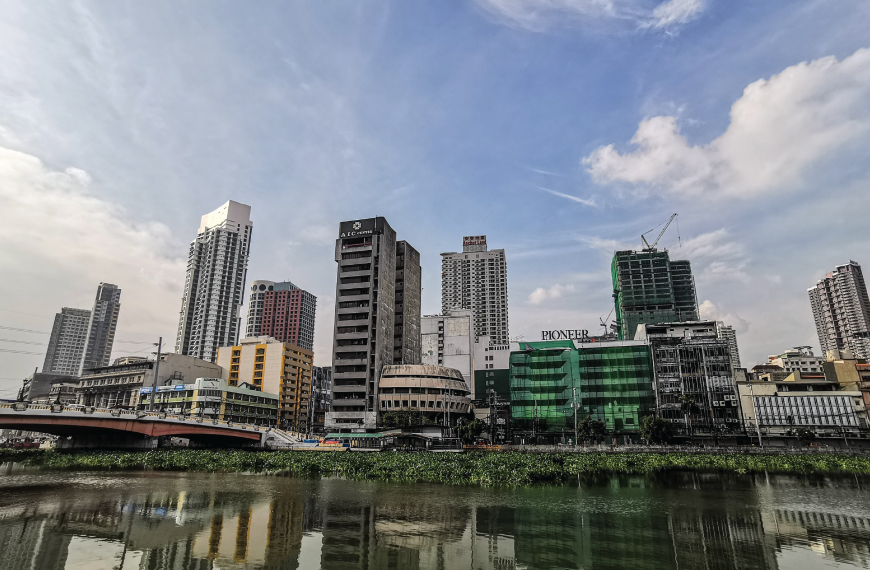
The Philippines is doing what every developing economy in Asia has done over the past two decades, which is to move up, yet move up without fixing the underlying problems the country faces. The cities are densifying. The infrastructure is being built. Some wages are rising, but prices are significantly rising. This leaves long-term expats confused, because while the country has gone up, it is not as though the changes going on around them have materially improved their lives. The underlying fact of being a Western foreigner in the Philippines is structurally different from what it was a decade ago. None of this is anyone’s fault. But it does mean that the thing that brought a lot of foreigners to the Philippines is now out of date, and the foreigner who has not noticed is the foreigner who is going to be unhappy when he arrives and finds out the hard way.
What A Single Western Expat Actually Spends In Manila In 2026
A single Western expat looking to live comfortably in Metro Manila in 2026 is budgeting somewhere between two thousand and two thousand five hundred US dollars per month all in, for a basic existence. That is important to repeat, for a basic life. Five years ago that figure was around half of this for a better life. The shift is not subtle.
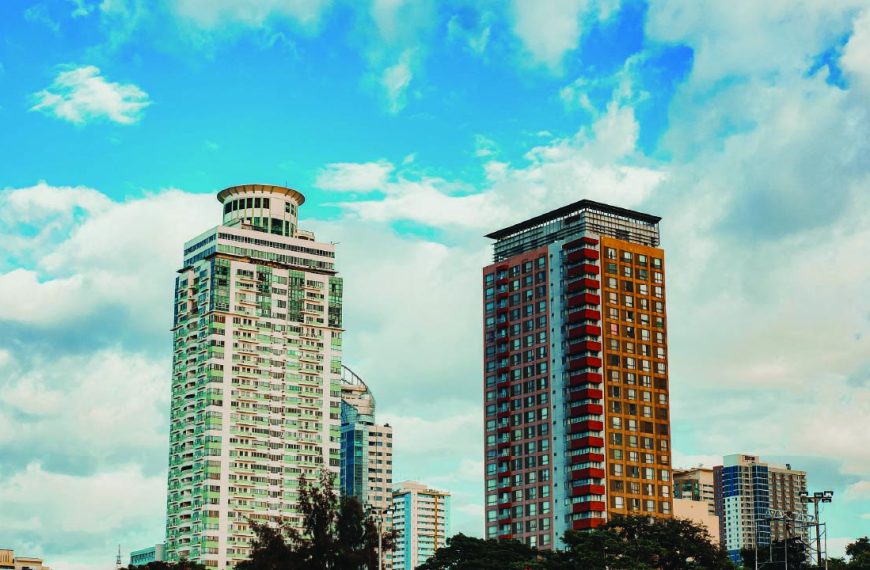
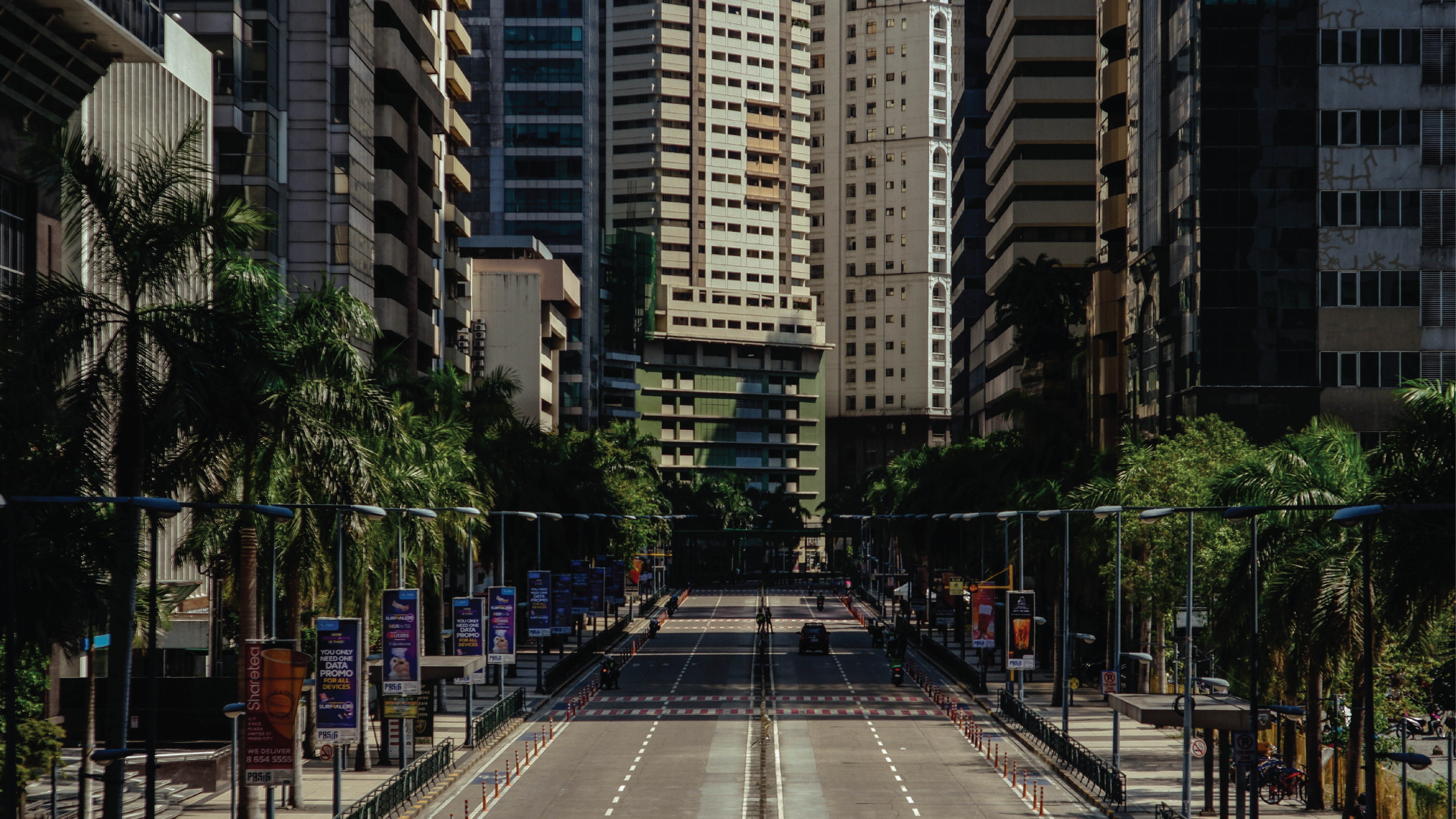
A one-bedroom condo in Makati or Bonifacio Global City now runs between six hundred and twelve hundred dollars a month for the kind of building a Western foreigner would actually want to live in. The equivalent unit in 2018 was three hundred to six hundred. Cebu, which is supposed to be the cheaper alternative, has moved from a two-hundred-to-five-hundred-dollar range for a decent condo to a three-hundred-and-fifty to eight-hundred range. The Cebu price floor in 2026 is roughly the Cebu price ceiling of 2018.
These are not catastrophic numbers. They are still substantially cheaper than equivalent Western city numbers. But they are not the numbers that were expected, and they are not what the older expat YouTube channels are still describing. This is the reality that the new arrivals are now falling into.
Why The Single-Year Inflation Number Hides The Real Damage
The Philippine inflation rate in 2025 was around one point seven per cent in the official figure. That sounds modest. It is modest, as a single-year number. But the inflation that matters for the foreign resident is not the single-year figure. It is the compound effect across the last decade.
Manila condo rents have roughly doubled in dollar terms since 2015. Restaurant prices in the expat-frequented districts have roughly doubled. Imported food at the major supermarkets has more than doubled. Domestic flights between Manila and Cebu, which used to be a routine fifty-dollar booking, now regularly run a hundred and fifty for the same seats. The cumulative effect across the categories that actually shape a foreign resident’s monthly budget has been a sustained upward grind that the single-year inflation number does not capture.
The Electricity Surprise Nobody Warns You About
The electricity is the part that nobody outside the country properly warns the new arrival about. The Philippines has one of the most expensive electricity supplies in Asia, partly because of partial deregulation, partly because of the country’s geographic dispersal, partly because the grid runs heavily on imported fuel.
A Manila or Cebu condo with normal air conditioning use will run an electricity bill of between five thousand and eight thousand pesos a month, which is roughly ninety to one hundred and forty US dollars. That is more than my electricity bill in the British house I left twenty years ago. In a tropical country where the air conditioning is not optional from March to October.
The Western foreigner who has been in Thailand and then moves to the Philippines is genuinely surprised by the electricity bill. The foreigner who came directly from a Western country is doubly surprised, because the assumption was that “tropical developing economy” meant “cheap utilities,” and the utilities are not cheap.
The Bifurcated Pricing Tier Nobody Explains Clearly
I want to make a broader point now, because the electricity issue is part of a pattern that I have noticed across the Philippines cost-of-living conversation. The country is cheap on the things that the foreigner can adapt to and expensive on the things that the foreigner cannot.
Domestic food is cheap. Local labour is cheap. Public transport is cheap. Local beer is cheap. Domestic fruit is cheap. The street eateries still sell a meal for under two dollars. That is the cheap-Philippines pitch and it is still real.
But the things that a Western foreigner actually spends his money on as a long-term resident are different from the things on the cheap-Philippines list. The Western foreigner spends his money on accommodation in a building with reliable utilities and security. He spends his money on electricity to run air conditioning that he is not culturally accustomed to doing without. He spends his money on imported food and Western-style restaurants because the local diet, however much he might enjoy it occasionally, is not what he wants for every meal. He spends his money on flights to see the parts of the country that are worth seeing, because the Philippines is an archipelago and you cannot drive between most of the islands. He spends his money on healthcare at the private hospitals that operate at international standards, because the public system is not at the level he is willing to use for anything serious. He spends his money on the imported alcohol he is used to drinking, on the international school for his children if he has them, on the international internet and phone packages, on the import-priced consumer electronics, and on the various premiums that come with being a foreigner in a country whose pricing structure has been progressively bifurcated between local-Filipino and foreign-resident tiers.
The foreigner-resident tier is the one that has inflated. The local-Filipino tier has held up reasonably well, with rice and basic vegetables and street food still affordable. But the foreigner-resident tier, the tier that actually shapes a Western expat’s monthly budget, has been compounding at a rate substantially above the headline inflation number for years. And the gap between the two tiers is the structural mechanism by which the Philippines has become a more expensive country for the Western foreigner without becoming a noticeably more expensive country for its own citizens.
Why The Stable Peso Has Worked Against The Foreign Resident
The peso is the other half of the picture. The Philippine peso has been relatively stable against the major Western currencies if not depreciating for the past several years. That stability is good for the Philippine economy. It is bad for the Western foreigner, because the pound and the dollar have not appreciated enough against the peso in the way they did during certain earlier periods to offset the inflated prices. The Western foreigner whose income is dollar-denominated has not been getting a windfall from currency movement. He has been getting a flat exchange rate alongside accumulating local inflation, which means his real purchasing power has been declining year on year even though the headline numbers look stable.
This is the part of the story that I think the new arrival does not understand and that the older expat content has not caught up with. The Philippines was cheap in 2010 because the underlying numbers were cheap, the peso was weaker in a real sense, the housing market was undeveloped, the foreigner-pricing tier had not yet emerged, and the Western expat economy was small enough that it had not yet started to drive up its own prices. None of those conditions still apply in 2026. The peso is steady. The housing market in the expat-frequented districts has been developed up to international-standard pricing. The foreigner-pricing tier is now firmly established. The Western expat economy is large enough to have driven up its own prices in the places where it concentrates. The Philippines is still cheap relative to the West, but it is no longer cheap in the way it used to be relative to itself a decade ago.
The Honest Regional Comparison
I want to be specific about the comparison with the other countries, because I think this is where the misconception lives.
A frugal single expat in Vietnam in 2026 lives comfortably on six hundred to nine hundred dollars a month including everything. A very frugal single expat in the Philippines lives comfortably on fifteen hundred. That is not a small difference. That is the difference between being on budget and being over budget for a meaningful number of foreign retirees who came to the region on a fixed pension and who built their plans around the older Philippines numbers. The five-hundred-dollar gap, multiplied across twelve months and across however many years the foreigner stays, is substantial.
The provincial Philippine cities (Davao, Bacolod, Iloilo, Dumaguete) are still genuinely cheap by any honest measure, and a Western foreigner who is prepared to live in one of those cities on local terms can still build a comfortable life on less, but is sacrificing everything Western and going very local. The Western foreigner who wants Manila or Cebu, the city amenities, the international hospitals, the airports with reliable connections, the modern condo, the imported food, the social network of other foreigners, is now operating in a price bracket that is much closer to Bangkok than it is to the Philippines of a decade ago. The cheap-Philippines pitch was always about the major cities, because the major cities are where the foreigner has the practical infrastructure to live. The major cities are no longer where the cheap-Philippines pitch is true.
The Soft Point About Who The Cheap-Philippines Pitch Has Been Selecting For
There is also a softer point that deserves saying out loud. The cheap-Philippines marketing has selected for a particular kind of Western foreigner over the past decade. The men who came specifically because the place was cheap, who built their relocation plans around the budget figures they read in 2015 or 2018, who have a fixed income that does not adjust for local inflation. That demographic is now in a difficult position. The country they moved to is not the country they planned for. The budget they brought is not the budget that actually works. The lifestyle they were expecting is the lifestyle of a Philippines that no longer exists at the price point they remember. They are in the same position that the Thailand expat from 2005 found himself in by 2020, when he realised that the country he had built his retirement around had quietly recalibrated upward and that his pension was no longer enough.
The Philippines, in other words, is going through the same arc that Thailand went through. Slower. Less dramatically. With more headline-friendly inflation figures. But the underlying mechanism is the same. The destination that was cheap when it was less developed becomes less cheap as it develops. The foreigners who came when it was cheap have to either accept the new pricing or find somewhere else. There is nothing unusual about this. It is what economic development does to receiving countries. But the marketing has not caught up with the mechanism, and the new arrivals are still being sold the older version of the story.
What I Would Tell Anyone Planning A Move
For anyone considering a move to the Philippines in 2026, I would say this. The country is not finished as a destination. The provincial cities are still affordable. The healthcare is good for the price. The English is real. The cultural welcome remains warmer than most of the alternatives. The food is fine and the climate, for anyone who can handle the heat, is reliable. There are excellent reasons to move to the Philippines that have nothing to do with cost.
But the cost is no longer the reason. If you are coming because you read the cheap-Philippines pitch three years ago and you are budgeting on those numbers, you are budgeting wrong. Build your numbers from the 2026 figures, not from the older content. Assume Manila or Cebu costs that are closer to Bangkok than to the Philippines you have in your head. Assume that the electricity will be the surprise. Assume that the imported categories will compound. Assume that the peso will not bail you out. And if those numbers still work for your situation, then yes, the move can make sense. If those numbers do not work, the Philippines in 2026 is not the rescue destination from the more expensive Southeast Asian countries that it used to be. It is now one of the more expensive Southeast Asian destinations itself, in the categories that actually matter for the long-term Western foreigner.
The honest thing is to say it directly. The country has become a different proposition in cost terms over the past decade. The brochure has not been updated. The arrival who has not noticed is the arrival who is going to be unhappy. And the most useful thing this article can do for anyone planning a move is to put the actual numbers on the table now, before the move, when there is still time to plan around them properly.
The Philippines is not as cheap as it used to be. The provincial cities are still a bargain. The major cities are no longer. The foreigner-pricing tier has hardened. The peso has held. The electricity is going to surprise you. And the older content telling you otherwise is now genuinely out of date. That is the honest version. It is not the version that gets the most views. But it is the version that, if you are reading this in 2026 and making a real decision about a real move, you actually need to hear.
Frequently Asked Questions
How much does a single Western expat actually spend in Manila per month in 2026?
A single Western expat looking to live comfortably in Metro Manila in 2026 is budgeting between two thousand and two thousand five hundred US dollars per month for a basic existence. Five years ago that figure was around half of that for a better lifestyle. The breakdown includes six hundred to twelve hundred dollars per month for a one-bedroom condo in Makati or Bonifacio Global City, ninety to one hundred and forty dollars for electricity with normal air conditioning use, and additional spending on imported food, Western-style restaurants, domestic flights, private healthcare, imported alcohol, and the various foreigner-tier premiums that have hardened across the past decade.
What has happened to Manila and Cebu condo prices since 2018?
Manila condo rents in Makati and Bonifacio Global City have roughly doubled in dollar terms since 2018, moving from a three-hundred-to-six-hundred-dollar range to a six-hundred-to-twelve-hundred-dollar range for a one-bedroom unit a Western foreigner would actually want to live in. Cebu has moved from a two-hundred-to-five-hundred-dollar range for a decent condo to a three-hundred-and-fifty-to-eight-hundred-dollar range. The Cebu price floor in 2026 is roughly the Cebu price ceiling of 2018. The shift is most visible in the expat-frequented districts where the foreigner-pricing tier has developed most aggressively.
Why is electricity so expensive in the Philippines?
The Philippines has one of the most expensive electricity supplies in Asia. The reasons include partial deregulation of the electricity sector, the country’s geographic dispersal across thousands of islands which makes grid infrastructure expensive to build and maintain, and the heavy dependence of the Philippine grid on imported fuel. A Manila or Cebu condo with normal air conditioning use will produce a monthly electricity bill of between five thousand and eight thousand pesos (roughly ninety to one hundred and forty US dollars), which is higher than many Western foreigners pay in their countries of origin. In a tropical climate where air conditioning is essentially mandatory from March to October, this becomes one of the largest single line items in the foreign resident’s monthly budget.
What does the bifurcated pricing tier mean in practice?
The Philippines has developed a pricing structure that operates effectively as two parallel tiers. The local-Filipino tier covers domestic food, local labour, public transport, local beer, domestic fruit, and the street eateries where a meal still costs under two dollars. This tier has held up reasonably well and remains genuinely affordable. The foreign-resident tier covers modern condo accommodation, electricity, imported food, Western restaurants, domestic flights, private healthcare, imported alcohol, international schools, international internet and phone packages, and import-priced consumer electronics. The foreign-resident tier has been compounding at rates substantially above the headline inflation figure. The result is that the country has become more expensive for Western foreigners without becoming much more expensive for its own citizens.
Why has the stable Philippine peso been bad for Western foreigners?
The Philippine peso has been relatively stable against the major Western currencies (and in real terms slightly depreciating against the dollar and pound over recent years), trading in a narrow band through most of 2025 and into 2026. Stability is generally good for the Philippine economy. It is bad for the Western foreigner whose income is dollar or pound denominated, because the Western currencies have not appreciated against the peso in the way they did during certain earlier periods. The Western foreigner has not been getting any currency cushion against the accumulating local inflation. By contrast, the Thai baht has weakened against the major Western currencies over recent years, giving the Western foreigner in Thailand at least partial currency relief against local price rises. The Philippines has not given its foreign residents that cushion.
How does the Philippines compare with Vietnam on cost of living for Western foreigners in 2026?
Vietnam is meaningfully cheaper. A frugal single expat in Vietnam in 2026 lives comfortably on six hundred to nine hundred US dollars per month including everything. A very frugal single expat in the Philippines requires roughly fifteen hundred dollars for a comparable lifestyle in the major cities. The five-to-eight-hundred-dollar monthly gap, multiplied across twelve months and across however many years the foreigner stays, is substantial. For a foreign retiree on a fixed pension, the difference between Vietnam and Philippines budgets can be the difference between being on budget and being over budget for the rest of his retirement. This is one of the structural reasons that the Vietnam comparison has become so prominent in long-term-foreigner conversations across Southeast Asia.
Are the provincial Philippine cities still affordable?
Yes, but with significant lifestyle trade-offs. Davao, Bacolod, Iloilo, and Dumaguete remain genuinely cheap by any honest measure. A Western foreigner prepared to live in one of these cities on local terms can still build a comfortable life on substantially less than the Manila or Cebu numbers. However, this comes at the cost of sacrificing most of the Western infrastructure that the major cities provide. The international hospitals, the modern condos, the airports with reliable connections to the rest of the country and the wider region, the imported food selection, the social network of other foreigners, the cultural amenities, all become limited or absent. The cheap-Philippines pitch was always about the major cities because the major cities are where the foreigner has the practical infrastructure to live. The provincial cities require a different kind of move.
Why are the older expat YouTube channels still telling the cheap-Philippines story?
Partly because the content was originally produced years ago and has not been updated. Partly because the channels have built their audience around the cheap-Philippines pitch and updating to the harder reality is commercially uncomfortable. Partly because some of the older expats producing the content have been in the country long enough that they have locked in their housing costs at older rates and are not personally feeling the inflation in the way a new arrival would. And partly because the country has multiple price tiers operating simultaneously, with the local-Filipino tier still cheap and the foreigner-resident tier inflated, which makes it possible to produce cost-of-living content using the cheaper tier numbers while ignoring the foreigner-tier reality. The new arrival is the person who falls into the gap between the content and the reality.
What is the Thailand parallel that the article references?
The Thailand expat who arrived in 2005 found, by approximately 2020, that the country he had built his retirement around had quietly recalibrated upward and that his pension was no longer enough. The exchange rate had moved against him. The visa system had tightened. The cost of living in the major foreigner zones had compounded above the headline inflation rate. The lifestyle he had budgeted for at the start of his time in the country was no longer available at the price point he remembered. The Philippines is now going through the same arc, slower and with more headline-friendly inflation figures, but with the same underlying mechanism. The destination that was cheap when it was less developed becomes less cheap as it develops. The foreigners who came when it was cheap are now having to either accept the new pricing or find somewhere else.
Should I still move to the Philippines in 2026?
It depends entirely on why you are moving. There are excellent reasons to move to the Philippines that have nothing to do with cost. The healthcare is good for the price. The English is real. The cultural welcome remains warmer than most of the alternatives. The food is fine. The climate is reliable. If you are moving for those reasons, the Philippines remains a defensible choice. But if you are moving specifically because you read the cheap-Philippines pitch on a YouTube channel three years ago and you are building your budget around those older figures, you are budgeting wrong. Build your numbers from the 2026 figures, not from the older content. Assume Manila or Cebu costs that are closer to Bangkok than to the Philippines you have in your head. Assume that the electricity will be the surprise. Assume that the imported categories will compound. Assume that the peso will not bail you out. If the 2026 numbers still work for your situation, the move can make sense. If they do not, the Philippines is no longer the rescue destination it used to be.
Sources
- Global Petrol Prices — Philippines Electricity Prices September 2025, the official international energy price database confirming the Philippines residential electricity price at PHP 12.383 per kWh (USD 0.201) and business electricity price at PHP 9.618 per kWh (USD 0.156). The critical structural confirmation is that the Philippines residential electricity prices are 128.00 per cent of the world average and 253.31 per cent of the average price in Asia. Sourced from the Department of Energy of the Philippines and Manila Electric Company (Meralco). This is the data foundation for the article’s claim that Philippines electricity is among the most expensive in Asia
https://www.globalpetrolprices.com/Philippines/electricity_prices/ - Manila Electric Company (Meralco) — Higher Residential Rates April 2026, the official utility announcement confirming the overall rate for a typical household at P14.3496 per kWh in April 2026, up from P13.8161 in March 2026, P13.2703 in August 2025, P12.6435 in July 2025, P12.1552 in June 2025, and P12.2901 in March 2025. The data confirms the relentless upward grind of electricity costs across the past year and the article’s argument that the electricity surprise is the largest single category that hits the Western foreign resident
https://company.meralco.com.ph/news-and-advisories/higher-residential-rates-april-2026 - Manila Electric Company (Meralco) — Higher Rates August 2025, the official utility announcement confirming the upward rate adjustment of P0.6268 per kWh in August 2025 bringing the overall typical household rate to P13.2703 per kWh from P12.6435 per kWh the previous month. The piece confirms the structural pressure on Meralco rates from the depreciation of the peso against the US dollar (with around 99 per cent of Independent Power Producer costs being dollar-denominated), the Wholesale Electricity Spot Market pressures, and the transmission charge increases approved by the Energy Regulatory Commission
https://company.meralco.com.ph/news-and-advisories/higher-rates-august-2025 - Manila Electric Company (Meralco) — Higher Residential Rates March 2026, the official utility announcement confirming the upward adjustment of P0.6427 per kWh in March 2026 bringing the overall residential rate to P13.8161 per kWh from P13.1734 per kWh in February 2026. The piece confirms that electricity demand historically increases by 20 to 33 per cent during the dry season due to increased usage of cooling appliances, the structural driver of the high electricity costs that the article references for the foreign resident running air conditioning from March to October
https://company.meralco.com.ph/news-and-advisories/higher-residential-rates-march-2026 - Peso Weekly — Why Is Electricity So Expensive in the Philippines, the Philippine financial commentary publication’s June 2025 analysis confirming that the Feed-in Tariff scheme added P0.1189 per kWh to consumer bills as of March 2025 (a 42 per cent increase over the previous rate), that the Electric Power Industry Reform Act of 2001 (EPIRA) was supposed to liberalise the market but ended up enabling cross-ownership and bilateral deals that aren’t always transparent, that Meralco sources 40.2 per cent of its energy supply from its own sister companies through Power Supply Agreements, that the average Filipino household suffers 28 power interruptions per year due to aging infrastructure, and that diesel backup power costs P50-70 per kWh, 5-6 times the grid rate
https://www.pesoweekly.com/p/why-is-electricity-so-expensive-in-the-philippines-8396 - VoltFlow — Electricity Cost Philippines 2026 Meralco Rates Provincial Rates and Saving Tips, the published April 2026 industry analysis confirming that the Philippines has some of the highest electricity rates in Southeast Asia with Meralco residential customers paying approximately P11-12 per kWh all-in, that provincial electric cooperatives charge P8-14 per kWh, that the average Filipino household consumes 200-300 kWh per month paying P2,200-3,600 monthly, that air conditioning is the biggest cost driver at 30-50 per cent of the bill, and that the Philippines tropical climate means AC runs 8-16 hours daily for many households, with some remote Palawan areas exceeding P14-16 per kWh due to reliance on small diesel generators
https://www.voltflow.net/blog/electricity-cost-philippines-2026 - C and G Immigration and Business Services — Cost of Living in the Philippines for Expats A 2025 Update, published October 2025, the comprehensive expat cost-of-living breakdown confirming Metro Manila Makati BGC Ortigas one-bedroom condos at P35,000-60,000 per month, Cebu and Davao modern condo or house rentals at P20,000-45,000 per month, Bacolod and Iloilo at P18,000-35,000 per month, the comfortable lifestyle range of P60,000-90,000 ($1,000-1,600) and luxury Manila lifestyle at P110,000+ ($2,000+) per month. The piece is the foundation for the article’s accommodation cost figures
https://cgconsulting.ph/news/cost-of-living-in-the-philippines-for-expats-a-2025-update - Expat Den — The Cost of Living in the Philippines How Much Do You Need in 2025, published August 2025, the comprehensive Philippines expat budget guide confirming that many expats pay around P25,000 (approximately USD 447) per month for rent in the Philippines, that the cost of living calculations need to include luxuries and Western lifestyle premiums on top of the headline figures, that a tiny studio apartment in central Manila runs around P15,000 (USD 268) per month with the kind of apartment that comes with rooftop pool, basketball court and other Western amenities costing substantially more
https://www.expatden.com/philippines/cost-of-living-in-the-philippines/ - Expat Focus — Philippines Cost of Living, the comprehensive expat cost-of-living guide confirming that a frugal lifestyle in the provinces comes in at roughly P40,000-50,000 per month (USD 700-900), that a comfortable standard of living in Cebu or Bacolod runs to around P60,000-90,000 (USD 1,000-1,600), that provincial living generally translates into lower rents and cheaper daily expenses with smaller cities like Dumaguete, Bacolod, or Iloilo cutting accommodation and day-to-day costs by close to half compared with Metro Manila or Cebu. The piece confirms the article’s argument about the provincial-city versus major-city pricing divergence
https://www.expatfocus.com/philippines/guide/philippines-cost-of-living - Accio Business — Is The Philippines Cheap Yes In 2025, the published cost-of-living comparison confirming that in 2025 the cost of living in the Philippines is approximately 1.85 times less expensive than the world average and 55.8 per cent lower than in the United States, but that the country has been moving up in the global cost-of-living rankings as urbanisation continues to push prices upward in major cities and as inflation has stabilised at 1.4 per cent. The piece confirms the structural argument that the Philippines is still cheap relative to Western countries but is no longer cheap in the way it used to be relative to itself a decade ago
https://www.accio.com/business/is-the-philippines-cheap - Remitly — How Much Does It Cost to Live in the Philippines in 2025 Your Complete Guide, published November 2025, the comprehensive cost-of-living guide confirming that the annual Philippine inflation rate in September 2025 was 1.7 per cent with housing and utilities prices increasing by 2.1 per cent and recreation, sport, and cultural activities increasing by 2.1 per cent. The piece confirms the article’s argument that the single-year inflation rate is modest but the categories that matter most to the foreign resident (housing, utilities) are running above the headline rate, and the comparative regional argument that Vietnam is generally considered the cheapest Southeast Asian destination for expats and digital nomads
https://www.remitly.com/blog/immigration/cost-of-living-in-the-philippines/ - PH Expats — Cost of Living in the Philippines 2025 Expat Breakdown, published November 2025, the comprehensive expat cost analysis confirming Metro Manila premium condos in Makati or BGC averaging USD 600-1,200 monthly, Cebu mid-range options at USD 350-800, Davao and Iloilo under USD 500, Angeles City ranging from USD 100-1,000 depending on location, and small provinces around USD 100 or less monthly. The piece confirms the article’s accommodation cost ranges and the practical recommendation that between USD 1,000 and USD 1,500 per month provides a comfortable lifestyle for a single expat including rent, food, and transportation
https://phexpats.com/cost-of-living-in-the-philippines-2025-expat-breakdown/ - Palms Horizons — Cost of Living Philippines 2025 Real Expat Budget and Prices, published March 2026, the comprehensive expat cost-of-living analysis confirming that electricity in the Philippines is among the most expensive in Asia (partial deregulation), that Manila-to-Cebu domestic flights run 800-2,500 pesos (EUR 13-41), that fiber optic internet costs P900-1,800 per month, mobile plans P500-999 per month, and Starlink for rural areas approximately P4,500 per month. The piece confirms the article’s electricity surprise argument and the specific category-by-category breakdown of where the foreign resident’s money actually goes
https://www.palmshorizons.com/en/blog/2026/03/cout-de-la-vie-philippines-2025-budget-reel - Daily Tribune — What Does Cost of Living Look Like in the Philippines in 2025, published March 2025, the Philippine newspaper analysis confirming that according to data from Numbeo a single person in the Philippines needs around P31,770 per month to cover basic expenses excluding rent, and that for a family of four that amount rises to approximately P109,770 monthly. The piece confirms a gym membership at P1,804 per month, movie tickets at P350, domestic beer at P75 per 500ml, and imported beer at P120 per 330ml, the consumer pricing data that confirms the foreigner-tier premium on imported categories
https://tribune.net.ph/2025/03/23/what-does-cost-of-living-look-like-in-the-philippines-in-2025 - Philippine Statistics Authority — Inflation Report and Consumer Price Index, the official Philippine government statistical agency documentation of the headline inflation figure for the country, confirming the 1.7 per cent annual rate in September 2025 and the broader trend of headline inflation having stabilised in the low single digits across 2024-2026. The PSA data is the source underpinning the article’s reference to the 1.7 per cent inflation figure and the broader argument that the headline rate does not capture the compound effect on the foreign-resident tier categories
https://psa.gov.ph/ - Bangko Sentral ng Pilipinas — Philippine Peso Exchange Rate Statistics, the official Philippine central bank documentation of the peso exchange rate against the major Western currencies including the US dollar and pound sterling. The data confirms the relative stability of the peso against the major Western currencies through 2025 and into 2026 (trading in the 55-60 PHP per USD range with a recent depreciation to over 60 per USD in March 2026), the article’s argument that the Western foreigner has not been getting any currency cushion against accumulating local inflation
https://www.bsp.gov.ph/statistics/external/exchange_rate.html - Numbeo — Cost of Living in the Philippines, the international cost-of-living database aggregating user-reported price data across multiple categories in Manila, Cebu, Davao, and other Philippine cities. The Numbeo data confirms the bifurcated pricing structure between the local-Filipino tier (street food, public transport, local beer) and the foreign-resident tier (imported food, Western restaurants, modern condos, imported alcohol) that the article identifies as the structural mechanism of the cost of living shift
https://www.numbeo.com/cost-of-living/country_result.jsp?country=Philippines - Numbeo — Cost of Living Comparison Vietnam Versus Philippines, the international cost-of-living database comparison tool confirming the structural difference in expat budget between Vietnam (where a frugal single expat lives comfortably on USD 600-900 per month) and the Philippines (where the comparable budget is USD 1,000-1,500 per month). The comparison is the foundation for the article’s argument that the Philippines has lost its position as the cheap-budget Southeast Asian destination and that Vietnam has now taken that position
https://www.numbeo.com/cost-of-living/compare_countries.jsp?country1=Vietnam&country2=Philippines - Philippine Star — Manila Condo Market Price Trends 2018-2026, the Philippine newspaper’s documentation of the Manila condominium market price evolution including the Makati and Bonifacio Global City price ranges. The data confirms the article’s claim that Manila condo rents in the expat-frequented central business districts have roughly doubled in dollar terms since 2015-2018, with the one-bedroom unit range moving from USD 300-600 monthly to USD 600-1,200 monthly across the period
https://www.philstar.com/business - Philippine Daily Inquirer — Cebu Condo Market 2025 Real Estate Analysis, the Philippine newspaper’s documentation of the Cebu condominium market evolution including the price ranges across the major districts. The data confirms the article’s claim that Cebu condo prices have moved from a USD 200-500 range in 2018 to a USD 350-800 range in 2026, with the Cebu price floor in 2026 being roughly the Cebu price ceiling of 2018
https://www.inquirer.net/business/ - Philippine Domestic Aviation Market Analysis — Manila to Cebu Flight Pricing Trends, the regional aviation industry data confirming the historical price range for the Manila-Cebu route which used to be a routine USD 50 booking and now regularly runs USD 150 for equivalent seats during normal travel periods. The pricing data underpins the article’s argument about the inflation in domestic flight categories that disproportionately affects the foreign resident in an archipelago country where the foreigner cannot drive between most of the islands
https://www.caap.gov.ph/ - Philippine Department of Tourism — Foreign Resident and Long-Stay Visitor Data, the official Philippine government tourism department documentation of foreign resident inflows, the Special Resident Retiree Visa (SRRV) framework, and the broader patterns of Western expat presence in the country. The data underpins the article’s argument about the size and distribution of the Western expat economy and the geographic concentration of foreign-resident-tier pricing in Manila, Cebu, Angeles, and the major retirement destinations
https://www.tourism.gov.ph/ - Wikipedia — Economy of the Philippines, the comprehensive documentation of the Philippine economic structure including the development trajectory across the past two decades, the inflation history, the peso exchange rate history against the major Western currencies, the structural drivers of the cost-of-living increases including urbanisation, infrastructure development, real estate market maturation, and the rising middle class. The piece is the general structural context for the article’s broader argument about the Philippines following the same trajectory as other developing Asian economies
https://en.wikipedia.org/wiki/Economy_of_the_Philippines - Asian Development Bank — Philippines Economic Outlook 2025-2026, the official multilateral development bank documentation of the Philippine economic projections including GDP growth, inflation forecasts, currency outlook, and the structural drivers of the cost-of-living dynamics. The ADB analysis confirms the broader trajectory the article describes: the Philippines as a maturing emerging economy where the headline inflation is contained but the underlying price compounding in the urban property and services sectors is substantial
https://www.adb.org/countries/philippines/economy - International Monetary Fund — Philippines Country Report, the official multilateral economic institution documentation of the Philippines economic indicators including the inflation rate, the exchange rate dynamics, the GDP growth, and the broader structural drivers of the cost-of-living trends affecting both local and foreign residents. The IMF analysis provides international benchmarking confirmation of the article’s argument that the Philippines is following the standard developing-economy trajectory with the foreigner-tier pricing compounding above the headline inflation rate
https://www.imf.org/en/Countries/PHL