Why Malaysia Has Always Been On My List
Even though I am currently 38, I often wonder where I will end up as my final place of residence, whether that is in retirement or in the years before it. Honestly, Malaysia is the country I keep coming back to. In my view, Kuala Lumpur is the best capital city in Southeast Asia. Specifically, the mixture of East and West is unique there. The Malay, Chinese, and Indian communities live alongside each other within a single urban framework that is, on most measures, more functional than the equivalent arrangements in the other regional capitals. Honestly, no other Southeast Asian city has the same combination of texture, capacity, and cultural depth.
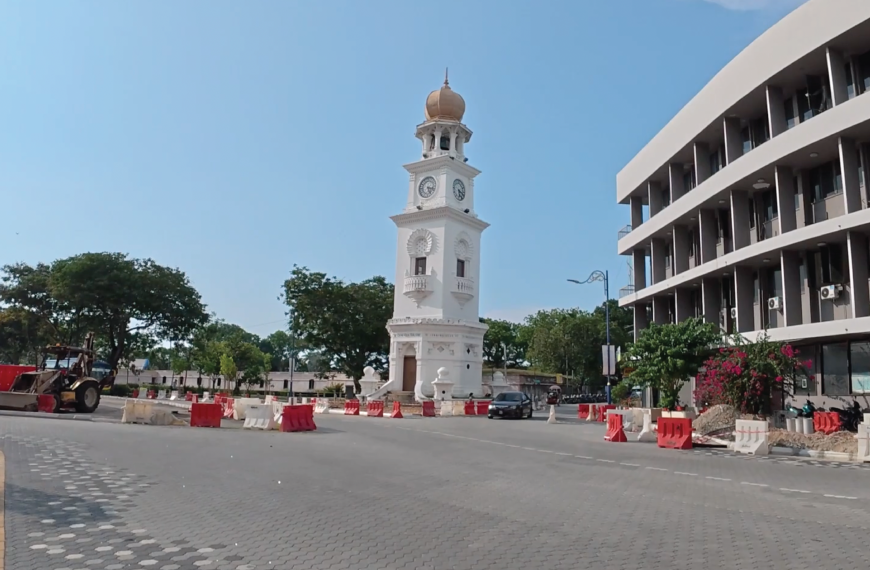
But Penang would be my first choice. Specifically, in and around Georgetown, for reasons I have discussed elsewhere. There is the British colonial heritage. There is the food. Then there is the architectural inheritance from the colonial period that Georgetown has actively maintained rather than demolished. Above all, the island still operates on a human scale that the larger regional capitals have lost. Ideally, in a perfect world a little English cottage on Penang Hill would be the dream. Sadly, the supply of properties like that is severely limited, and the cottages that do exist are sought after by the local business elite, which means they are likely out of financial reach.
The Hypocrisy In Southeast Asia That Most Refuse To Acknowledge
Before I talk about the big thing putting me off Malaysia as a place to live, and this is connected to the very same reason, I do believe there is a certain type of hypocrisy across the whole of Southeast Asia that most people simply refuse to acknowledge, let alone discuss.
Those Penang Hill cottages were built by the British. Historically, Frances Light first arrived on the island in 1786 and the island was, by most contemporary accounts, largely uninhabited at that point. What followed over the next 174 years of British administration was the construction of the institutional, commercial, and architectural framework that Penang still operates on today. A legal system, a commercial framework, educational institutions, and a civil service tradition were built during the same period. All of these were inherited by the post-independence Malaysian government and are, in many respects, still the foundation of the country’s functioning.
Yet the modern environment, in Malaysia and across the broader Southeast Asian region, simply ignores the shared heritage that people from Britain should, in my view, be allowed to claim. Honestly, the Penang that exists today is, in substantial part, a British creation that has been maintained and developed by the Penangite population over the subsequent generations. The British contribution is in the buildings, in the institutions, in the urban form, in the legal framework, in the commercial culture. However, there is no structural recognition of this contribution in the practical arrangements available to the Western foreigner who wants to make Penang his long-term home.
That brings me to the main thing putting me off Malaysia as a whole.
The Lack Of Permanence That Holds Me Back
Fundamentally, the big thing is the lack of permanence on offer for foreigners wishing to live in Malaysia. More specifically, for Britons wishing to live there. There is the Malaysia My Second Home programme, known as MM2H, and I will come to it in detail in a moment. But MM2H is not a right to live, exist, and work like everyone else. Furthermore, the path to anything that would make you feel like you belong is, in essence, non-existent.
Now let me be clear about what I am and am not arguing. Importantly, I am not arguing that anyone should be allowed to just move to Malaysia. I am not arguing for a return to British rule. I am not arguing that the Malaysian state should subordinate the interests of its own citizens to the convenience of arriving foreigners. None of that is the argument.
Instead, I am arguing for a structured path for people of certain financial means, not extreme means, just enough to not be a burden on the state, who feel a deep affinity for Penang, and therefore for Malaysia, to have a realistic and reasonably quick path to being able to belong. That is a different argument from the open-borders argument, and the two should not be conflated.
What MM2H Actually Offers In 2026
So let me take you through MM2H specifically, because the framework matters and the framework’s limits matter even more.
Malaysia My Second Home, known as MM2H, is the long-stay visa framework that Malaysia has operated since 2002. An original version was relatively generous by regional standards, with a fixed deposit requirement of around RM150,000 for applicants under 50 and RM300,000 for applicants over 50, alongside the requirement to maintain a Malaysian bank account and demonstrate offshore income. The programme delivered a renewable ten-year multiple-entry social visit pass, which was the most generous long-stay arrangement in mainland Southeast Asia.
However, the programme was substantially tightened in the August 2021 revisions and again in the 2024 reforms. By 2026, the headline requirements have shifted upward. Additionally, there is now a minimum residency requirement of 90 days per year, an upfront property purchase requirement at certain tiers, and tighter documentary requirements across the board. The reformed MM2H is meaningfully harder to access than the original version, and even at the Silver tier the financial commitment is substantial.
Why MM2H Is Still Better Than Most Regional Alternatives
Admittedly, to be fair to Malaysia, even the reformed MM2H compares favourably with most of the regional alternatives. Thailand offers the LTR visa for a smaller financial commitment but also with no path to permanence. The Philippines offers SRRV at lower thresholds but in a country where the broader infrastructure and the cost-of-living picture have shifted unfavourably. Cambodia offers ER and EB visas at modest cost but without the broader institutional foundation that Malaysia provides. Vietnam offers no formal retirement visa at all. Indonesia has tightened its long-stay framework in recent years and operates the Hak Pakai right-of-use rather than freehold property access.
So in the regional comparison, Malaysia at the Silver MM2H tier is, on the practical measures, one of the better options on offer for the Western foreigner who wants a long-stay base in Southeast Asia. The country has the rule of law (with real limits but better than the regional average), the healthcare infrastructure (Penang in particular has the regional reputation for medical care), the English-language environment, the food, the broader expat infrastructure, the freehold property framework for citizens, the diaspora-friendly cultural environment, and the basic functioning of the everyday institutions that the long-stay foreigner relies on.
But MM2H, however generous on the regional comparison, is still a long-stay visa. The framework is not a residency arrangement. Neither is it a path to permanence. Nor is it a structured route by which the Western foreigner with a deep affinity for Malaysia can become, over time, a settled and recognised member of the country he has chosen to commit to.
Why The Lack Of Permanence Matters For The Long-Term Foreigner
Honestly, this is the part that I think the cheerful Malaysia content does not engage with seriously.
The MM2H holder, even at the Platinum RM5 million tier, is a long-stay foreigner. He has the right to remain in the country on a renewable basis. However, he does not have the right to work freely. Voting is not on the table. A realistic path to citizenship does not exist under the existing framework. Subsequently, his status is contingent on the continued operation of the MM2H programme, which has been tightened twice in five years and could be tightened again. His relationship to Malaysia is, in legal terms, that of a tolerated guest with substantial financial commitments, not that of a settled member of the country.
Notably, for some Western foreigners this is acceptable. The long-stay visa with no path to permanence is sufficient for the lifestyle they want and the relationship to the country they are willing to maintain. Many do not want to vote. Working locally is not part of the plan. Nor do they want to become Malaysian citizens. The renewable visa is enough for them.
However, for the Western foreigner who wants to genuinely belong, who wants to feel that Penang is not just where he is staying but where he has a recognised right to be, the MM2H framework is structurally insufficient. Subsequently, after a decade or two of life in Malaysia under MM2H, the foreigner is still a long-stay visa holder. He has built a life, made friends, perhaps bought a property, become a recognisable member of his neighbourhood, contributed to the local economy, and accumulated the kind of cultural fluency that takes years to develop. But his legal status is identical to that of someone who arrived last year on the same visa.
What A Structured Pathway Could Look Like
So what would I want Malaysia to offer instead? Let me sketch what I think a fair and structured pathway could look like, because the criticism only makes sense if I am clear about the constructive alternative.
First, MM2H should remain available as the entry-level long-stay framework, broadly along the lines of the current Silver tier requirements. That gives the country the financial qualifying threshold that protects against open-borders abuse.
Second, the MM2H holder who maintains the required residency, demonstrates the cultural and linguistic integration, contributes to the local economy, and avoids any criminal record, should be eligible after a defined period (perhaps five years) to apply for a Permanent Resident category that gives him the right to remain on a non-renewable basis, the right to work in defined sectors, and the right to property ownership beyond the MM2H restrictions.
The Citizenship Path That Should Sit At The End Of The Pathway
Third, the Permanent Resident who maintains his status for a further defined period (perhaps another five years) should be eligible to apply for full Malaysian citizenship, on terms that recognise the substantive contribution he has made to the country and the deep affinity that has been demonstrated by his sustained commitment.
Fundamentally, this is the kind of structured pathway that exists, in various forms, in most of the developed Western countries. Britain, the United States, Australia, Canada, and most of Western Europe offer the equivalent of this framework to qualifying foreigners. The pathway is not unlimited. It is conditional on financial means, on residency, on cultural integration, and on the absence of grounds for exclusion. But it exists. The foreigner who commits to the country has, eventually, a recognised path to becoming a settled member of it.
Importantly, this is not the open-borders argument. It is the argument that the country a Westerner commits to should, after a sustained period of commitment, offer him the recognised status that his commitment has earned.
Why The Argument Is Hard To Make In Southeast Asia
Now I want to be honest about why this argument is hard to make in the Southeast Asian context, because the resistance to it is real and worth engaging with seriously.
Most Southeast Asian countries, with the partial exception of Singapore, have built their post-independence identities on the assumption that citizenship is a closed category reserved for those with the cultural, ethnic, or historical ties to the country. The Bumiputera framework in Malaysia is one expression of this. Thai citizenship thresholds are another. Indonesian and Vietnamese citizenship rules are similar. Philippine citizenship is the most open in the region, but even there the practical path for the Western foreigner is constrained.
The argument I am making cuts against this assumption. By contrast, I am suggesting that the Western foreigner with a deep affinity for Malaysia should have a structured path to becoming a settled member of the country, and that the existing framework is inadequate to this purpose. The Malaysian response, in many cases, would be that the framework is deliberately structured to keep the Western foreigner in the long-stay category and that the country has every right to make that choice.
Admittedly, in legal and political terms, the response is correct. The country does have the right to set its own citizenship framework, and the Western foreigner who finds the framework inadequate has the option to choose a different country. That is the honest counter to my argument.
Why I Still Think The Argument Should Be Made
Still, I think the argument is worth making, for several reasons.
First, the British colonial period left Malaysia, and particularly Penang, with an institutional and architectural inheritance that the country has built upon in the subsequent 67 years. The Western foreigner who today wants to commit to Penang is, in a real sense, contributing to a place whose foundations include the British contribution he is descended from. Indeed, the shared heritage is not just sentimental. It is structural.
Second, the Western foreigner who commits to Malaysia at the Silver MM2H tier or above is, by definition, demonstrating substantial financial commitment to the country. He is not arriving as a refugee, an economic migrant, or a public charge. He is paying his way, contributing to the property market, paying his taxes (the foreign income exemption notwithstanding), and operating within the legal framework. The Malaysian objection to his eventual integration on the standard cultural-closure grounds is, in this context, less compelling than it would be against the open-borders argument.
Third, the alternative to the structured pathway is the continuation of the long-stay-guest model in which the Western foreigner can spend his life in Malaysia without ever becoming a settled member of the country. That model produces a substantial expat community that contributes to the country without belonging to it. The country gets the contribution. The contributor gets the visa renewal. Neither side gets the deeper relationship that the structured pathway would produce.
The Personal Note I Want To End On
Personally, this is a piece I am writing as much for myself as for the reader.
For me, Penang has the texture, the food, the architectural inheritance, the British colonial heritage, the everyday institutions, the cultural depth, and the geographic position that make it the most realistic candidate for my eventual final base in Southeast Asia. Kuala Lumpur is the urban backup. Either would work for me if the legal framework supported the kind of permanent commitment I would want to make.
Honestly, the MM2H framework, as it stands in 2026, is sufficient for the long-stay arrangement. Moving to Penang under the Silver tier is realistic. Maintaining my residency would not be difficult. Buying a property within the MM2H framework is straightforward. Spending the next thirty or forty years there is achievable.
Why Long-Stay Is Not The Same As Belonging
But I would still be a long-stay foreigner at the end of it. I would still be a guest, no matter how long the stay. The path to belonging that would make Penang my home in the substantive sense, not just my address in the legal sense, does not exist under the current framework. So while Malaysia is the country I would most seriously consider for retirement, the lack of permanence is the one big thing that holds me back, and the structured pathway I have sketched is the change I would want to see before I committed.
Ultimately, that is the honest version of my Malaysia view. The country is the best regional candidate. The MM2H framework is the best regional long-stay arrangement. Penang is the city I would actually choose. But the permanence question is real, and the absence of a structured path to belonging is the reason I am still watching from Penang next door in Georgetown rather than committing to the move. Hopefully, that will change. Until it does, Malaysia stays on the list as the country I would consider, with the qualification that the consideration is incomplete until the country is willing to consider me back.
Frequently Asked Questions
Why does the author consider Malaysia for retirement?
Because Malaysia offers, on the regional comparison, the strongest combination of factors that matter to the long-term Western foreigner. Kuala Lumpur is, in the author’s view, the best capital city in Southeast Asia. Penang, and particularly Georgetown, is the city the author would actually choose. British colonial heritage is real and visible in the architectural inheritance the country has maintained rather than demolished. Rule of law is better than the regional average. Healthcare infrastructure (Penang in particular) has the regional reputation for medical care. An English-language environment makes everyday life accessible. Above all, the food, the cultural depth, and the broader expat infrastructure all support the long-stay foreigner in ways that the rest of the region does not equivalently match.
What is MM2H and what does it offer in 2026?
The Malaysia My Second Home programme is the long-stay visa framework that Malaysia has operated since 2002, substantially reformed in 2021 and again in 2024. As of 2026, the version operates in three tiers. Specifically, the Silver tier requires a fixed deposit of RM500,000 and offshore income of RM50,000 per month. Above this, the Gold tier requires RM2 million in fixed deposit. At the top, the Platinum tier requires RM5 million. There is now a minimum residency requirement of 90 days per year, an upfront property purchase requirement at certain tiers, and tighter documentary requirements across the board. Ultimately, the reformed MM2H delivers a renewable long-stay visa but no path to permanent residency or citizenship.
Why does the author find the lack of permanence a problem?
Because MM2H, even at the Platinum tier, is a long-stay visa rather than a residency framework. The holder has the right to remain on a renewable basis but no right to work freely, no right to vote, and no realistic path to citizenship. Eventually, after a decade or two of life in Malaysia under MM2H, the foreigner is still a long-stay visa holder with the same legal status as someone who arrived last year. For the foreigner who wants to genuinely belong to Malaysia, the framework is structurally insufficient. The country gets the contribution. The contributor gets the visa renewal. Neither side gets the deeper relationship that a structured pathway would produce.
Is the author arguing for open borders?
No. Importantly, the argument is for a structured pathway for people of certain financial means, not extreme means, just enough to not be a burden on the state, who feel a deep affinity for Penang and Malaysia, to have a realistic and reasonably quick path to being able to belong. That is a different argument from the open-borders argument. Specifically, the author is suggesting that the existing MM2H framework should be paired with a Permanent Resident category eligible after a defined period (perhaps five years), and a citizenship path eligible after a further defined period (perhaps another five years), on terms that recognise the substantive contribution the foreigner has made and the deep affinity that has been demonstrated by his sustained commitment.
What is the author’s view on the British colonial heritage in Penang?
The author argues that Penang owes much of its current institutional and architectural framework to the British administration that ran from Frances Light’s arrival in 1786 to independence in 1957. The Beach Street civic architecture, the 1909 fire station, the Cheah Chen Eok clock tower, the Eastern and Oriental Hotel, the legal system, the commercial framework, and the broader urban form all bear the imprint of the colonial period. Today’s Penang is a Penangite achievement built on a British foundation. Importantly, the shared heritage means that the Western foreigner with British ties has a particular kind of connection to Penang that the country could choose to recognise in its long-stay framework. Currently, that recognition does not exist in the MM2H structure, and the author argues it should.
How does MM2H compare to other regional long-stay options?
MM2H, even in its reformed 2026 version, compares favourably with most of the regional alternatives. Thailand offers the LTR visa for a smaller financial commitment but with no path to permanence. The Philippines offers SRRV at lower thresholds but in a country where the broader infrastructure and the cost-of-living picture have shifted unfavourably. Cambodia offers ER and EB visas at modest cost but without the broader institutional foundation Malaysia provides. Vietnam offers no formal retirement visa at all. Indonesia operates the Hak Pakai right-of-use rather than freehold property access. So in the regional comparison, MM2H at the Silver tier is one of the better options on offer, even though it falls short of the structured pathway the author would want to see.
What about the Bumiputera framework and Malaysian citizenship policy?
Bumiputera, the framework providing preferential treatment for ethnic Malays and indigenous groups, is a real political constraint on the kind of broader integration the author is arguing for. Malaysian citizenship policy has been historically restrictive, with the country preferring to maintain citizenship as a closed category. Importantly, the author acknowledges this and is not arguing against the country’s right to set its own citizenship framework. The argument here is for a structured pathway specifically for the Western foreigner who has demonstrated sustained financial and cultural commitment to Malaysia over a defined period. That is a narrower argument than the broader integration question, and it does not necessarily require the Bumiputera framework to be dismantled.
Would the author actually move to Malaysia under the current framework?
Honestly, possibly. The MM2H framework as it stands in 2026 is sufficient for the long-stay arrangement. The author could move to Penang under the Silver tier, maintain residency, buy property within the MM2H framework, and spend the next thirty or forty years there. But the author would still be a long-stay foreigner at the end of it, with no path to belonging in the substantive sense. The country is the best regional candidate, but the absence of a structured path to permanence is the reason the author is still watching from Penang next door in Georgetown rather than committing to the move under the current framework.
What is the practical advice for Westerners considering Malaysia?
If you are comfortable with the long-stay-guest model and do not need a path to permanence, Malaysia under MM2H is one of the best regional options on offer. The Silver tier financial requirements are substantial but achievable for most Western retirees with reasonable savings or pension income. The country offers the rule of law, the healthcare infrastructure, the English-language environment, and the broader expat support structure that the rest of the region does not equivalently match. However, if you do want a structured path to permanence, Malaysia in 2026 does not offer one, and you will have to either accept the long-stay framework or look at the small number of other countries (Portugal, Spain, certain Latin American jurisdictions) that do offer the structured residency-to-citizenship path the author has sketched.
What change does the author want to see in Malaysia?
Specifically, a structured pathway from MM2H to Permanent Resident to citizenship, available to Western foreigners who maintain the financial threshold, demonstrate cultural and linguistic integration, contribute to the local economy, and avoid grounds for exclusion. Importantly, the pathway would be conditional, not automatic. Furthermore, it would require defined periods of residency at each stage. Additionally, it would impose qualifying thresholds at each transition. But it would exist. The foreigner who commits to Malaysia over the long term would, eventually, have a recognised path to becoming a settled member of the country, in the way that exists for foreigners committing to the established Western democracies. Ultimately, that is the change the author would want to see, and the absence of it is the one big thing currently putting him off committing to Malaysia despite the country being the best regional candidate on most other measures.
Sources
- Malaysia My Second Home (MM2H) Official Programme Documentation — the official Ministry of Tourism, Arts and Culture documentation of the MM2H framework including the Silver, Gold, and Platinum tier requirements and the 2024-2025 revisions
https://www.mm2h.gov.my/ - Malaysia Ministry of Home Affairs Permanent Residence Documentation — the official documentation of the Malaysian permanent residence framework, the discretionary nature of the application, and the criteria for foreign nationals
https://www.moha.gov.my/ - Malaysia Department of Immigration — the official documentation of the visa framework, the long-stay categories, and the broader immigration policy affecting foreign nationals in Malaysia
https://www.imi.gov.my/ - UNESCO World Heritage Centre Georgetown Penang Listing — the official UNESCO documentation of the 2008 World Heritage designation of Georgetown including the colonial-era civic architecture, the clan houses, and the broader historical urban fabric
https://whc.unesco.org/en/list/1223 - George Town World Heritage Incorporated — the official Penang state government body administering the UNESCO World Heritage zone including the conservation framework and the documentation of the colonial-era buildings
https://www.gtwhi.com.my/ - Penang State Government Tourism and Heritage Documentation — the official Penang state documentation of the historical and cultural framework including the Francis Light arrival and the multicultural commercial population
https://www.penang.gov.my/ - Wikipedia — Francis Light, the documentation of the British East India Company captain who claimed Penang for the company in 1786, the agreement with the Sultan of Kedah, and the founding of Georgetown
https://en.wikipedia.org/wiki/Francis_Light - Wikipedia — History of Penang, the comprehensive documentation of Penang’s colonial-era development, the multicultural population formation, and the broader historical trajectory of the island
https://en.wikipedia.org/wiki/History_of_Penang - Wikipedia — George Town Penang, the documentation of the UNESCO-listed colonial-era city including the civic architecture, the clan houses, the religious buildings, and the broader heritage framework
https://en.wikipedia.org/wiki/George_Town,_Penang - Wikipedia — Malaysia My Second Home, the documentation of the MM2H programme including the historical evolution, the 2021 changes, and the 2024-2025 tier framework
https://en.wikipedia.org/wiki/Malaysia_My_Second_Home - Wikipedia — Permanent Residency in Malaysia, the documentation of the Malaysian permanent residence framework including the discretionary application process and the criteria for foreign nationals
https://en.wikipedia.org/wiki/Permanent_residency_in_Malaysia - Wikipedia — Malaysian Nationality Law, the documentation of the Malaysian citizenship framework including the naturalisation requirements and the practical accessibility for Western foreign residents
https://en.wikipedia.org/wiki/Malaysian_nationality_law - Numbeo Cost of Living in Penang Database — the international cost-of-living database documenting Penang rental, food, and broader consumer pricing referenced in the article
https://www.numbeo.com/cost-of-living/in/George-Town - Numbeo Property Prices in Penang — the international database documenting Penang rental and purchase pricing for the two-bedroom apartment ranges referenced in the article
https://www.numbeo.com/property-investment/in/George-Town - Penang Adventist Hospital — the documentation of one of the Penang international-standard private hospitals referenced in the article’s healthcare comparison
https://www.pah.com.my/ - Gleneagles Penang — the documentation of the Gleneagles Penang international-standard private hospital referenced in the article’s healthcare framework
https://gleneagles.com.my/penang/ - Island Hospital Penang — the documentation of the Island Hospital Penang international-standard private hospital referenced in the article’s healthcare comparison
https://www.islandhospital.com/ - Eastern and Oriental Hotel Penang Heritage Documentation — the documentation of the colonial-era heritage hotel in continuous business since 1885, referenced in the article’s civic architecture argument
https://www.eohotels.com/penang/ - Khoo Kongsi Clan House Penang — the documentation of one of the major Penang clan houses still operating as a working civic institution of the Chinese community, referenced in the article
https://www.khookongsi.com.my/ - Singapore Immigration and Checkpoints Authority Permanent Residence Documentation — the official Singapore documentation of the codified permanent residence framework referenced as the regional comparison in the article
https://www.ica.gov.sg/ - Knight Frank Malaysia Property Market Reports — the international property consultancy documentation of Penang and Kuala Lumpur property markets including the central district rental pricing
https://www.knightfrank.com.my/research/ - JLL Malaysia Real Estate Market Outlook — the international property consultancy coverage of the Malaysian property market including the Penang and Kuala Lumpur central district pricing trajectory
https://www.jll.com.my/ - Bank Negara Malaysia (Central Bank) — the official Malaysian central bank documentation of the macroeconomic framework, the banking integration, and the broader economic context for the long-term foreign resident
https://www.bnm.gov.my/ - Asian Development Bank Malaysia Country Outlook — the multilateral development bank documentation of the Malaysian economic structure and the broader Southeast Asian comparative context
https://www.adb.org/countries/malaysia/main - World Bank Malaysia Country Overview — the documentation of the Malaysian economic structure, the institutional framework, and the comparative position in the broader Southeast Asian region
https://www.worldbank.org/en/country/malaysia - Wikipedia — Demographics of Penang, the documentation of the Penang population including the Chinese, Tamil, Malay, and other community breakdown referenced in the multicultural construction argument
https://en.wikipedia.org/wiki/Demographics_of_Penang